
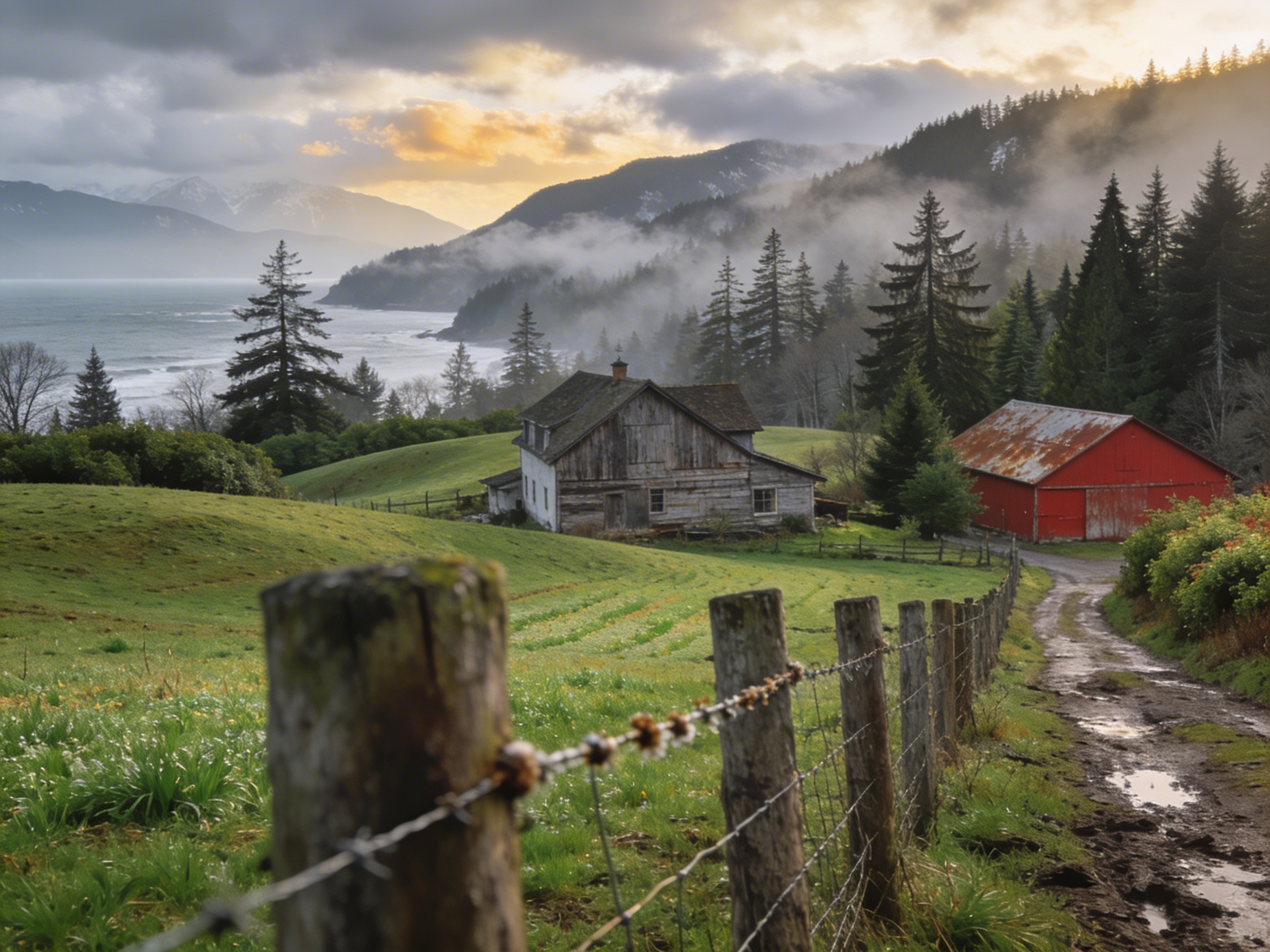
Vancouver Island farm market enters March 2026 positioned distinctly within seasonal cycles: spring listing emergence creating inventory growth, buyer migration from winter dormancy toward active purchasing, and established agricultural sectors (Cowichan Valley, Saanich Peninsula, Comox Valley, Nanaimo lowlands) featuring diverse property opportunities spanning specialized production (berries, tree fruits, dairy), agri-tourism operations, hobby farms, and investment-grade agricultural land.
Farmland prices on Vancouver Island reflecting broader BC trajectory: 64.1 percent price appreciation between 2014-2023 reflecting unprecedented demand, limited supply, and investment capital seeking agricultural assets; 2026 market anticipated to show 0-3 percent appreciation as macro conditions stabilize, interest rates moderate, and buyer sentiment normalizes. Real estate expert Andrew Hrushowy identifies that March 2026 farm purchasing represents strategic opportunity: spring season historically optimal for farm sales (buyer psychological readiness, lifestyle transition planning, seasonal operational transitions), accumulated inventory from winter positioning, and improved accessibility to rural properties following winter weather constraints.
This pillar blog synthesizes March 2026 farm market positioning, regional property analysis, buyer opportunity assessment, and strategic acquisition frameworks supporting confident farm purchasing decisions aligned with personal, investment, and operational objectives. For supporting guidance on regulatory positioning, soil management, and sustainable practices, explore our comprehensive supporting blog guides: Securing Farm Permits and Licenses in BC, Composting and Soil Management for Acreages, and Sustainable Off-Grid Living on Vancouver Island.
Strategic March 2026 farm acquisition positioning within seasonal opportunity window—spring listing inventory, buyer readiness, normalized market conditions—supports confident purchasing aligned with agricultural, lifestyle, and investment objectives on Vancouver Island.
Key Takeaways
- Market Timing Advantage: Spring season (March-May) historically optimal for farm sales; March 2026 emergence creating inventory accumulation, buyer psychological alignment with growth/renewal themes, lifestyle transition readiness supporting active market conditions and negotiation leverage for selective buyers.
- Price Appreciation Context: BC farmland 64.1 percent appreciation 2014-2023 creating pricing challenges; 2026 forecast 0-3 percent appreciation nationally as market stabilizes; Vancouver Island maintaining resilience through local food security demand, agri-tourism growth, and immigration-driven population increase supporting moderate appreciation potential.
- Regional Diversity: Vancouver Island agricultural regions (Cowichan Valley, Saanich Peninsula, Comox Valley, Nanaimo lowlands) featuring distinct property types—specialized production farms (berries, orchards, dairy), agri-tourism operations, diversified mixed-use properties, investment-grade land parcels; regional selection enabling targeted acquisition aligned with operational interests.
- Farmland Access Challenges: New farmer generation facing unprecedented land access barriers (average BC farmer age 57.8 years, succession planning urgency, capital constraints); March 2026 market featuring limited succession estate listings creating opportunity window for motivated buyers prepared to move decisively.
- Andrew Hrushowy recommends March 2026 farm acquisition positioning: capitalize on spring inventory emergence, evaluate regional opportunities matching agricultural interests, assess farm viability and operational potential, confirm regulatory compliance positioning (farm classification, permits, zoning), and move decisively addressing properties representing optimal strategic fit.
Overview
Vancouver Island farm market enters March 2026 seasonal transition point: winter dormancy ending, spring listing emergence accelerating inventory, and buyer migration toward active purchasing. Farm market fundamentally distinct from residential positioning through seasonal agricultural cycles, commodity price influence, operational complexity, and limited property supply maintaining pricing resilience despite broader market moderation. BC farmland appreciation trajectory (64.1 percent 2014-2023) reflects unprecedented demand pressures—investment capital seeking agricultural assets, lifestyle buyers pursuing rural transition, food security concerns elevating local farm value—creating pricing environment challenging entry-level farmer acquisitions while supporting appreciation and wealth preservation for existing stakeholders.
March 2026 market anticipated 0-3 percent appreciation nationally; however, Vancouver Island regional factors (local food security emphasis, agri-tourism expansion, immigration-supported population growth) supporting moderate appreciation potential above national trends. Regional agricultural diversity spanning Cowichan Valley (berries, tree fruits, mixed production), Saanich Peninsula (floriculture, market vegetables, hobby farms), Comox Valley (dairy, field crops, specialty production), and Nanaimo lowlands (mixed operations, lifestyle positioning) enabling targeted acquisition aligned with agricultural interests and operational capacity.
Spring farm market representing strategic opportunity for buyers prepared to move decisively—inventory accumulation creates choice, seasonal psychological readiness supports negotiation leverage, and operational transition planning enables alignment with farm cycles. This pillar blog synthesizes March 2026 farm market positioning, regional property analysis, buyer opportunity assessment, pricing context, and strategic acquisition frameworks enabling confident farm purchasing decisions supporting agricultural, lifestyle, and investment objectives. For detailed guidance on regulatory positioning, soil stewardship, off-grid systems, and sustainable practices supporting farm success, explore comprehensive supporting blogs addressing farm permits, soil management, and rural property considerations.
| Regional Market Segment | Typical Property Range | Price Range (2026) | March Inventory Trend | Buyer Demand Profile |
|---|---|---|---|---|
| Cowichan Valley Farms | 5-20 acre specialized production | 800K-2.5M | Moderate increase (spring emergence) | Operational farmers, berry/fruit producers |
| Saanich Peninsula Farms | 2-10 acre floriculture, vegetables | 600K-1.8M | Stable-to-increase | Market-garden focused, agri-tourism positioning |
| Comox Valley Mixed Operations | 10-40 acre dairy, field crops | 1M-3.5M | Limited (succession planning) | Operational dairy/agricultural producers |
| Hobby/Lifestyle Farms | 1-5 acre residential-focused | 500K-1.2M | Strongest increase (March active buyers) | Lifestyle buyers, semi-retirement positioning |
| Investment/Development Land | 10-50+ acre larger parcels | 1.5M-5M+ | Limited (specialized interest) | Land investors, multi-use developers |
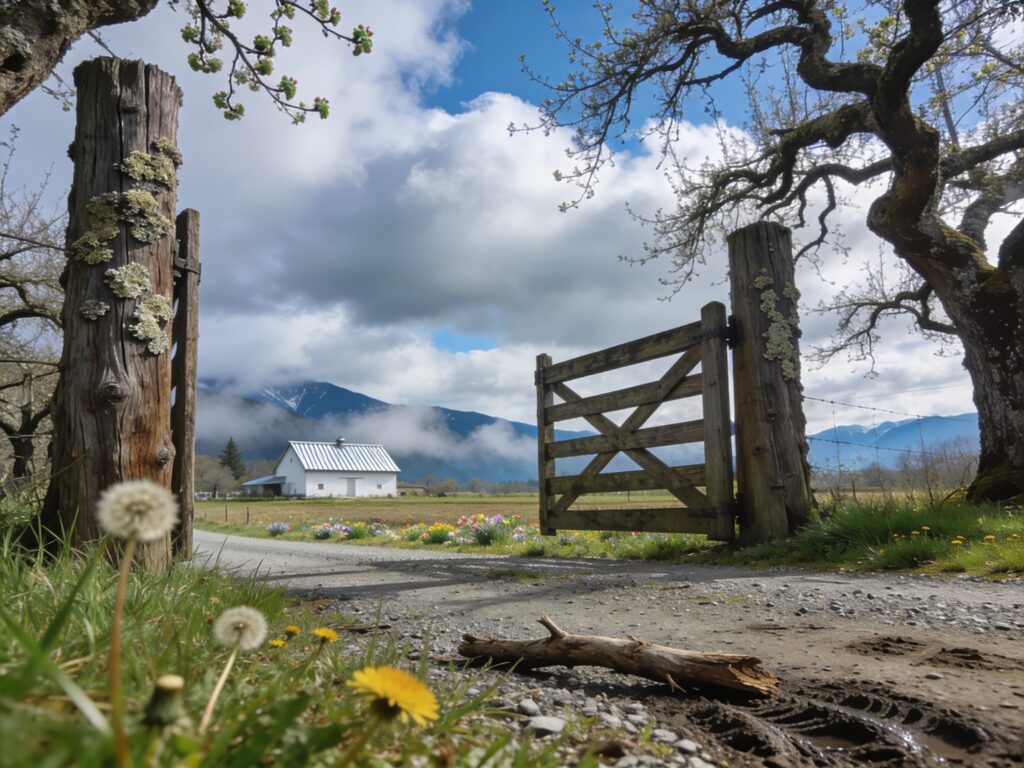
Spring Seasonal Positioning and Buyer Psychology
March farm market entry point represents psychological and practical seasonal transition optimizing buyer-seller alignment. Spring season historically driving farm market activity through multiple converging factors.
Seasonal Drivers:
Buyer Psychology: Spring renewal themes activating lifestyle transition desires; farm purchasing aligned with “fresh start” and seasonal planning psychology. Winter property dormancy concluding; buyers re-engaging market after winter inactivity.
Operational Cycles: Agricultural calendars aligning with spring planting season; farm transitions (succession, expanded operations, diversification) timed toward spring implementation. Buyers evaluating properties during operational visibility period—spring activity level providing authentic operational assessment.
Weather Accessibility: Winter weather constraints limiting rural property access concluding; spring conditions enabling comfortable property inspection, acreage walking tours, and soil condition evaluation. Road conditions improving facilitating showings and inspections.
Financial Planning: Spring aligning with tax planning, financial projection updates, and capital deployment decisions. Buyers planning spring/summer investments engaging market actively.
Inventory Availability: Winter limiting new listings; spring bringing accumulated properties to market. Multiple concurrent listings creating buyer choice and market competition enabling negotiation leverage.
Emotional Readiness: Spring season associating with growth, opportunity, new beginnings—psychological positioning favoring purchasing decisions versus other seasons. Buyer confidence higher; decision velocity accelerated.
Regional Farm Market Analysis: March 2026 Opportunities
Cowichan Valley: Specialized Production Hub
Cowichan Valley representing premier Vancouver Island agricultural region: 351+ documented farms (2021), specialized production (berries, tree fruits, dairy), established infrastructure, and robust farmer marketing through farmers markets (Duncan Farmers Market, Cobble Hill market operating May-September). March 2026 market showing moderate inventory increase as winter dormancy concludes and spring planting-season sellers positioning properties for transition.
Market Characteristics:
Specialized Production Focus: Berry farms (raspberries, blueberries, strawberries), established orchards (apples, pears, stone fruits), and diversified mixed operations dominating regional inventory. Commodity price considerations influencing farm valuations—strong berry/fruit pricing supporting buyer confidence.
Pricing Range: 5-20 acre specialized farms typically $800K-$2.5M depending on production type, infrastructure, and market positioning. Established, profit-generating operations commanding premium valuations versus vacant development land.
Buyer Profile: Operational farmers, agricultural entrepreneurs, and succession-positioned buyers seeking established production operations. Limited entry-level positioning (high pricing barriers limiting new farmer access).
March Opportunity: Spring emergence creating inventory accumulation; established farms showing operational readiness (spring activity visible, crop systems active, infrastructure assessable). Buyers prepared to move decisively accessing best properties before competition intensifies.
Saanich Peninsula: Market Garden and Agri-Tourism Positioning
Saanich Peninsula featuring smaller-scale operations (2-10 acres typical), market garden focus, floriculture emphasis, and agri-tourism positioning. Regional characteristics supporting lifestyle-oriented farming and direct-to-consumer agricultural positioning.
Market Characteristics:
Market Garden Focus: Vegetable production, direct sales, farmers market participation, u-pick operations. Smaller acreage enabling lifestyle integration—part-time or semi-retirement positioning combined with residential occupancy.
Agri-Tourism Expansion: Farm stands, on-farm workshops, farm-to-table experiences increasingly common. Properties with agri-tourism potential commanding premium valuations reflecting diversified income generation.
Pricing Range: 2-10 acre properties typically $600K-$1.8M depending on improvements, agri-tourism potential, and market positioning.
Buyer Profile: Lifestyle buyers, semi-retirement positioning, entrepreneurs seeking agri-tourism diversification. First-time farmers attracted to moderate acreage and market garden positioning.
March Opportunity: Strong spring buyer migration toward lifestyle farm positioning; hobby farm buyers actively seeking properties. Inventory increase supporting buyer choice; competitive properties attracting multiple offers.
Comox Valley: Dairy and Field Crop Operations
Comox Valley representing larger-scale production hub (dairy, field crops, mixed operations), more capital-intensive positioning, and operational farmer focus. Regional pricing and supply dynamics less favorable for new buyer entry given capital requirements and succession planning urgency (fewer properties transitioning outside family structures).
Market Characteristics:
Larger-Scale Operations: 10-40 acre+ properties typical, dairy operations, field crop production dominating. Substantial infrastructure investment, equipment requirements, and operational complexity characterizing regional properties.
Pricing Range: Established dairy/field crop operations $1M-$3.5M+ typical, reflecting asset base, production infrastructure, and operational income generation.
Buyer Profile: Operational dairy/agricultural producers, succession-positioned family members, established agricultural enterprises. Entry-level farmer access extremely limited due to capital requirements and operational complexity.
March Opportunity: Limited inventory (succession planning consolidating holdings within family structures). Properties transitioning outside family positioning representing rare opportunity; motivated buyers prepared to move decisively on exceptional properties. Negotiation leverage potentially available through patient positioning and professional representation.
Nanaimo Lowlands: Mixed Operations and Lifestyle Focus
Nanaimo lowlands featuring mixed-use operations combining residential, agricultural, and amenity positioning. Regional properties appealing to lifestyle buyers integrating residential comfort with agricultural activity (hobby farms, small livestock, hobby production).
Market Characteristics:
Mixed-Use Properties: Combining residential quality dwellings with modest agricultural operations. Properties supporting lifestyle integration—comfortable living combined with agricultural engagement without full-time farmer operational intensity.
Pricing Range: 5-15 acre lifestyle farms typically $600K-$1.5M depending on dwelling quality, improvements, and agricultural infrastructure.
Buyer Profile: Lifestyle buyers, semi-retired positioning, entrepreneurs seeking work-life integration. Emphasis on residential comfort combined with limited agricultural engagement.
March Opportunity: Strong buyer activity in lifestyle positioning; spring buyers actively seeking properties. Moderate inventory increase supporting competitive conditions. Buyers prepared to move decisively accessing best lifestyle-integrated properties.
Farmland Valuation and Price Appreciation Context
BC farmland price trajectory (64.1 percent appreciation 2014-2023) reflects unprecedented demand pressures—investment capital, lifestyle buyer migration, food security concerns—creating pricing environment challenging entry-level farmer positioning while supporting appreciation and wealth preservation. March 2026 market anticipated modest appreciation (0-3 percent nationally) as market normalizes, interest rates moderate, and buyer sentiment stabilizes.
Valuation Factors:
Production Capability: Established farms with proven production history and profitable operations commanding premium valuations. Income-generating capacity directly supporting property values.
Infrastructure Investment: Substantial farm infrastructure (irrigation systems, buildings, equipment, utilities) supporting valuations. Well-developed properties commanding premiums versus raw land requiring development investment.
Regional Location: Proximity to markets (farmers markets, restaurants, direct sales outlets), transportation networks, and urban centers supporting valuations. Remote properties with access challenges facing pricing pressure.
Agri-Tourism Potential: Properties with agri-tourism development potential (farm stands, workshops, events) commanding premium valuations reflecting diversified income generation.
New Farmer Access Barriers: Unprecedented pricing creating entry-level barriers; average BC farmer age 57.8 years reflecting succession planning urgency and generational transition challenges. Limited entry-level properties supporting price resilience despite broader market moderation.
Strategic March 2026 Farm Acquisition Framework
Successful March 2026 farm purchasing requires systematic evaluation combining operational feasibility assessment, financial capacity confirmation, regulatory compliance verification, and strategic positioning enabling confident acquisitions.
Due Diligence Phase:
Property Assessment: Farm viability evaluation—soil quality, drainage, water access, production infrastructure condition. Professional assessment confirming operational readiness and investment requirements.
Financial Analysis: Profitability confirmation—historical income documentation, production cost analysis, market positioning evaluation. Conservative cash flow projection enabling realistic financial planning.
Regulatory Confirmation: Farm classification status verification, zoning compliance confirmation, permits and licensing assessment. Early identification preventing post-acquisition complications.
Environmental Assessment: Soil testing, water quality confirmation, contamination screening (if applicable). Sustainable management plan development.
Negotiation Phase:
Strategic Positioning: Spring market dynamics creating buyer choice; selective negotiation leverage on well-positioned properties. Market knowledge and professional representation supporting favorable terms.
Inspection Periods: Extended inspection enabling thorough due diligence—seasonal operational assessment, infrastructure evaluation, soil condition verification. Contingency allowance for identified concerns.
Financing: Specialized agricultural lending consultation—farm credit programs, government-backed financing potentially offering favorable terms for qualified agricultural borrowers.
Acquisition Phase:
Regulatory Compliance: Farm classification application, business licensing completion, permits and licenses implementation before operational commencement. Tax optimization positioning.
Sustainability Planning: Soil management strategy, water conservation positioning, environmental stewardship commitment. Long-term land preservation orientation.
Operational Integration: Staffing planning, equipment acquisition, production scheduling. Operational readiness supporting successful farm transition.
Ready to capitalize on March 2026 farm market opportunity on Vancouver Island? Andrew Hrushowy—with comprehensive farm market expertise and Vancouver Island agricultural knowledge—helps farm buyers, lifestyle purchasers, and agricultural investors systematically evaluate opportunities, assess operational viability, negotiate favorable acquisitions, and position strategically for successful farm ownership. Contact Andrew Hrushowy at 755 Humboldt St, Victoria, BC V8W 1B1 or call (250) 383-1500 for expert farm market guidance and strategic acquisition consultation.
For comprehensive farm and rural property guidance, explore our supporting blogs: Securing Farm Permits and Licenses in BC, Composting and Soil Management for Acreages, Sustainable Off-Grid Living on Vancouver Island, and Insuring Your Rural Property: What You Need to Know.
FAQs
Q: Is March a good time to buy farmland on Vancouver Island?
A: Yes. Spring season represents optimal timing—inventory emergence, buyer psychological alignment with renewal themes, operational visibility during spring activity, and improved weather access enabling property inspection. Historical trend shows March-May representing strongest farm market activity.
Q: What is driving farmland price appreciation despite broader market softness?
A: BC farmland appreciated 64.1 percent 2014-2023; investment capital seeking agricultural assets, lifestyle buyer migration, food security concerns, and limited supply maintaining pricing resilience. 2026 appreciation forecast 0-3 percent nationally as market normalizes; Vancouver Island regional factors supporting moderate appreciation above national trends.
Q: What are the barriers to new farmer entry in March 2026 market?
A: Unprecedented farmland pricing creates capital barriers; average BC farmer age 57.8 years reflecting succession planning urgency; limited entry-level properties available; specialized production operations commanding premium valuations. Land access represents number-one challenge for new farmers.
Q: Which Vancouver Island regions offer best farm opportunities in March 2026?
A: Cowichan Valley (specialized production, berries, orchards), Saanich Peninsula (market gardens, agri-tourism), Comox Valley (dairy, field crops, limited availability), Nanaimo lowlands (mixed-use, lifestyle positioning). Regional selection enables targeted acquisition aligned with operational interests and capital capacity.
Q: How should I evaluate farmland viability before purchase?
A: Comprehensive assessment including soil testing, water access confirmation, production infrastructure evaluation, historical profitability documentation, regulatory compliance verification, and environmental assessment. Professional consultation supporting informed acquisition decisions and operational success planning.
Conclusion
March 2026 Vancouver Island farm market enters seasonal transition point creating strategic buyer opportunity: spring inventory emergence from winter dormancy, buyer psychological readiness aligned with renewal and growth themes, operational visibility enabling authentic farm assessment, and improved weather conditions supporting property inspection and evaluation.
BC farmland price appreciation (64.1 percent 2014-2023) reflects unprecedented demand pressures creating pricing environment supporting appreciation and wealth preservation; 2026 forecast 0-3 percent national appreciation as market normalizes, with Vancouver Island regional factors (local food security emphasis, agri-tourism expansion, immigration-supported population growth) supporting moderate appreciation above national trends.
Regional agricultural diversity (Cowichan Valley specialized production, Saanich Peninsula market gardens and agri-tourism, Comox Valley larger-scale dairy operations, Nanaimo lowlands lifestyle positioning) enabling targeted acquisition aligned with agricultural interests, operational capacity, and investment philosophy. New farmer generation facing unprecedented land access barriers (average BC farmer age 57.8 years, capital requirements, limited entry-level properties); March 2026 market representing rare opportunity window for motivated buyers prepared to move decisively on properties representing optimal strategic fit.
Strategic acquisition framework requiring systematic due diligence (property assessment, financial analysis, regulatory confirmation, environmental evaluation) combined with negotiation positioning leveraging spring market dynamics and professional representation.
Andrew Hrushowy emphasizes that March 2026 farm acquisition represents strategic opportunity for buyers prepared to move decisively—capitalize on spring inventory emergence, evaluate regional opportunities aligned with personal agricultural interests and operational capacity, confirm regulatory compliance positioning enabling successful farm transition, and position strategically within Vancouver Island’s vibrant agricultural landscape supporting long-term success, sustainability, and wealth building through farm ownership.