
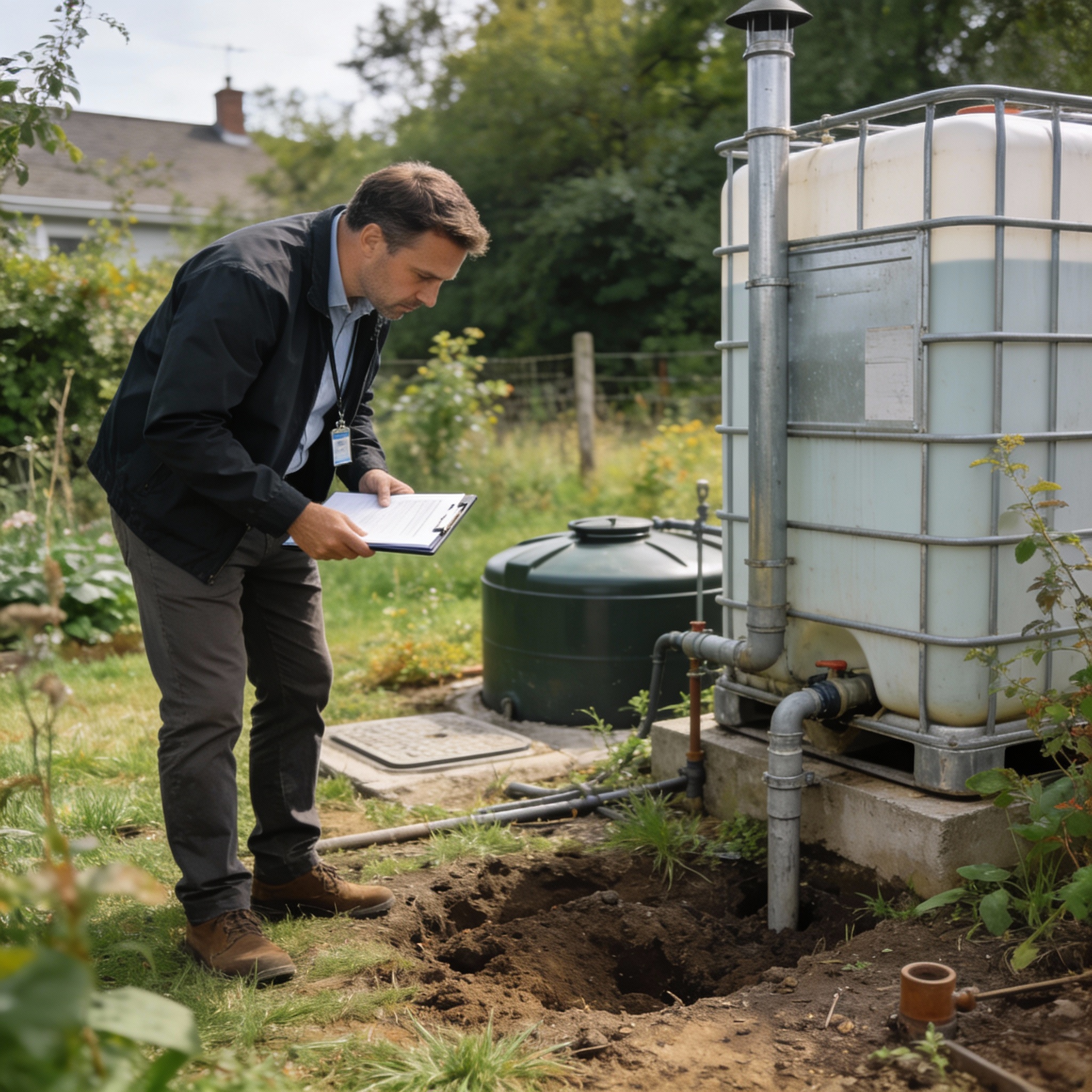
A reliable septic system is vital for any rural property on Vancouver Island. Unlike urban homes connected to municipal sewers, acreage relies on on-site wastewater treatment. Proper design, installation, and maintenance of septic systems rural property not only safeguard your investment but also protect local watersheds and comply with health regulations. This guide provides a clear, step-by-step checklist to evaluate existing systems or plan new installations on your acreage.
Key Takeaways
-
Confirm system permits under the provincial On-Site Sewage Systems Regulation and obtain a regional health authority permit.
-
Inspect tank material, capacity, and structural condition for signs of damage or intrusion.
-
Conduct soil percolation tests per BC guidelines to size drain-fields accurately.
-
Estimate installation and upgrade costs early, including routine pump-outs.
-
Engage certified professionals—ROWPs and geotechnical engineers—for thorough assessments.
Overview
This supporting article delves into every aspect of septic systems for rural property: from permit verification to detailed inspections of tanks and drain-fields, performance tests, maintenance history review, and cost estimation. An interactive table highlights key specifications and best practices. You’ll finish equipped to assess septic functionality or plan new systems with confidence, ensuring your acreage investment thrives.
| Checklist Item | Details | Recommended Action |
|---|---|---|
| Permits & Approvals | On-Site Sewage Systems Regulation, regional health authority permit | Obtain and review all permit documents |
| Tank Condition | Material, capacity, baffles, root intrusion, corrosion | Arrange video or physical inspection by ROWP |
| Soil Perc Test | Minutes per centimetre absorption rate | Commission certified technician for perc test |
| Drain-Field Layout | Distribution lines, saturated areas, setback distances | Compare field dimensions to approved design |
| Maintenance Records | Pump-out dates, repairs, upgrades | Review service logs and invoices |
Verify Permits and Approvals
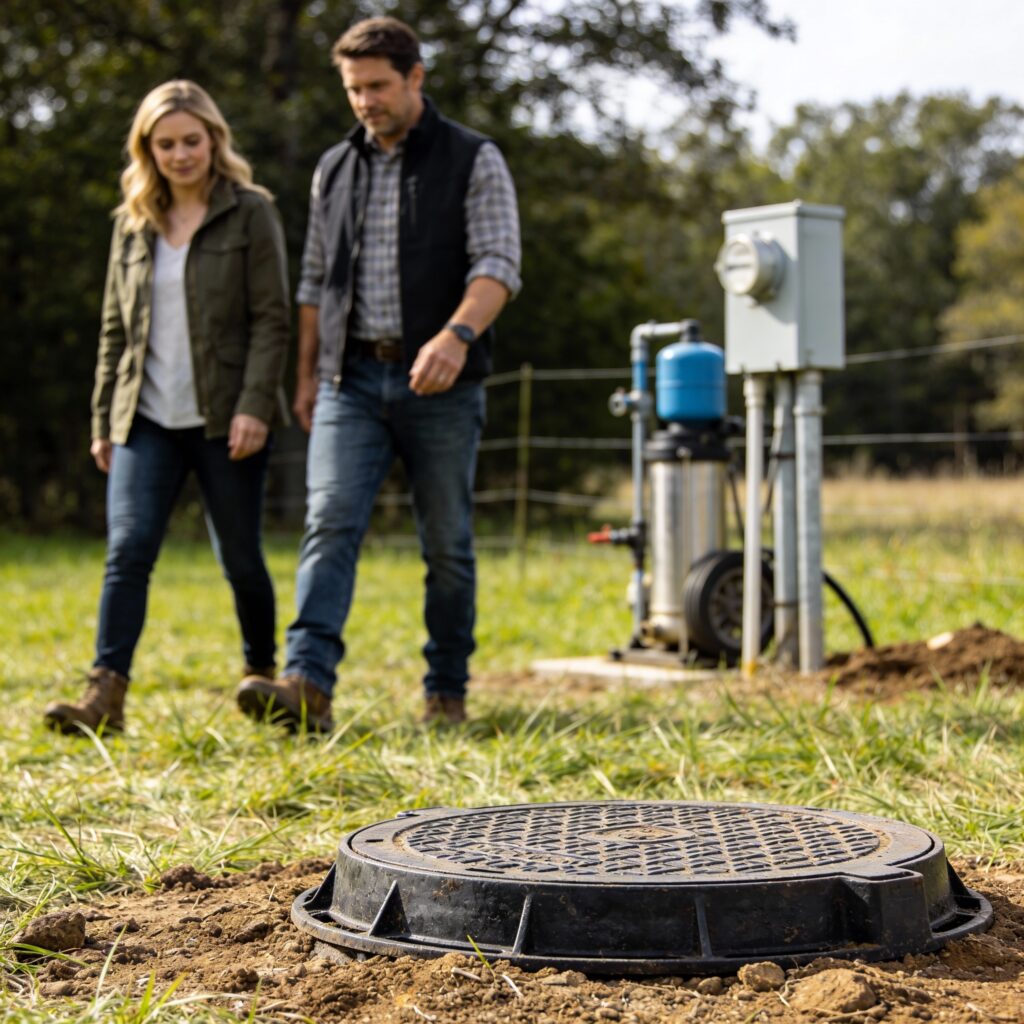
Every septic installation on Vancouver Island must comply with the provincial On-Site Sewage Systems Regulation and obtain a regional health authority permit. Confirm that the system as installed matches the approved field-design drawings. Any unpermitted modifications require retroactive approvals to avoid fines.
Inspect Septic Tank Condition
Septic tanks are commonly concrete, polyethylene, or fiberglass. Inspectors should:
-
Perform video or physical inspections to identify cracks, corrosion, or root intrusion.
-
Check baffles, inlet/outlet pipes, and access risers.
-
Verify tank capacity matches household size (2,700–3,600 L for a typical four-bedroom home).
If damage exists, plan for replacement or repairs before purchase.
Conduct Soil Percolation Tests
Soil percolation tests determine how quickly effluent disperses—critical for drain-field design. BC guidelines require:
-
Multiple test holes at field-depth.
-
Measure the time for a 2 cm drop in water level to calculate minutes per centimetre.
-
Sandy soils (5–15 min/cm) suit standard fields; clay soils (> 50 min/cm) may need mound or advanced treatment.
Hire a certified technician to ensure accurate results and regulatory compliance.
Assess Drain-Field Functionality
Drain-fields distribute effluent into surrounding soil. During inspections:
-
Locate distribution boxes and pipe trenches.
-
Look for pooling or unusually green vegetation.
-
Confirm field size against approved plans (e.g., 150 m² for a four-bedroom system).
-
Ensure at least 15 m setback from wells and watercourses per ALR setback guidelines.
Review Maintenance History
A regular maintenance schedule extends system life. Obtain:
-
Pump-out records every 3–5 years (CA $250–$400 per service).
-
Documentation of past repairs or upgrades.
-
Records of filter cleanings or baffle replacements.
A well-maintained system minimizes risk of premature failure.
Plan for Upgrades or Expansion
If adding bedrooms, guest cabins, or farmworker dwellings, confirm the drain-field can handle increased load. Advanced treatment units—sand filters or mound systems—are often required for poor soils or environmentally sensitive sites. Upgrade costs range from CA $15,000 for basic replacements to CA $40,000+ for complex systems.
Estimate Installation and Maintenance Costs
Budgeting early prevents surprises. Typical costs include:
-
New tank and field installation: CA $12,000–$25,000.
-
Permitting and design: CA $1,500–$3,000.
-
Routine pump-outs: CA $250–$400 each.
Obtain at least three quotes from local ROWPs and contractors for accurate budgeting.
Engage Professional Consultation
A Registered Onsite Wastewater Practitioner (ROWP) and geotechnical engineer offer expertise for challenging terrain—steep slopes, high water tables, or sensitive ecosystems. Their reports form the basis for permit applications and protect you from liability.
Ready to ensure your septic systems rural property meets all standards? Contact Andrew Hrushowy at 755 Humboldt St, Victoria, BC V8W 1B1 or call (250) 383-1500 for expert referrals to certified ROWPs and a free site-assessment consultation. For broader acreage guidance, explore the Ultimate Guide to Buying Acreage on Vancouver Island.
Common Questions About Septic Systems in Rural Property
Q: How often should I pump out my septic tank?
A: Most systems require pump-outs every 3–5 years, depending on household size and tank capacity.
Q: Can I inspect a septic system myself before buying?
A: Visual checks help but a certified ROWP must perform comprehensive inspections and soil tests.
Q: What soil type is best for drain-fields?
A: Loamy sandy soils (15–30 min/cm perc rates) offer optimal drainage; clay soils often require mound systems.
Q: Do I need permits to repair an existing septic field?
A: Yes. All repairs or expansions require approval from your regional health authority.
Q: What is the setback requirement from a well?
A: A minimum 15 m horizontal separation between drain-fields and potable wells is mandatory.
Q: Are advanced treatment units necessary?
A: Required when soils fail perc tests or sites lie within environmentally sensitive zones.
Q: How much does professional septic design cost?
A: Design and permitting fees range from CA $1,500 to CA $3,000, based on site complexity.
Q: Can I add a secondary dwelling to my septic field?
A: Only if the existing system and field capacity meet the increased load and receive approval.
Conclusion
A well-designed and maintained septic system underpins successful rural property ownership on Vancouver Island. By following this checklist—verifying permits, inspecting tanks, testing soils, assessing drain-fields, reviewing maintenance, and engaging professionals—you ensure reliable performance and environmental protection. Schedule your consultation with Andrew Hrushowy today and secure your acreage with confidence.