
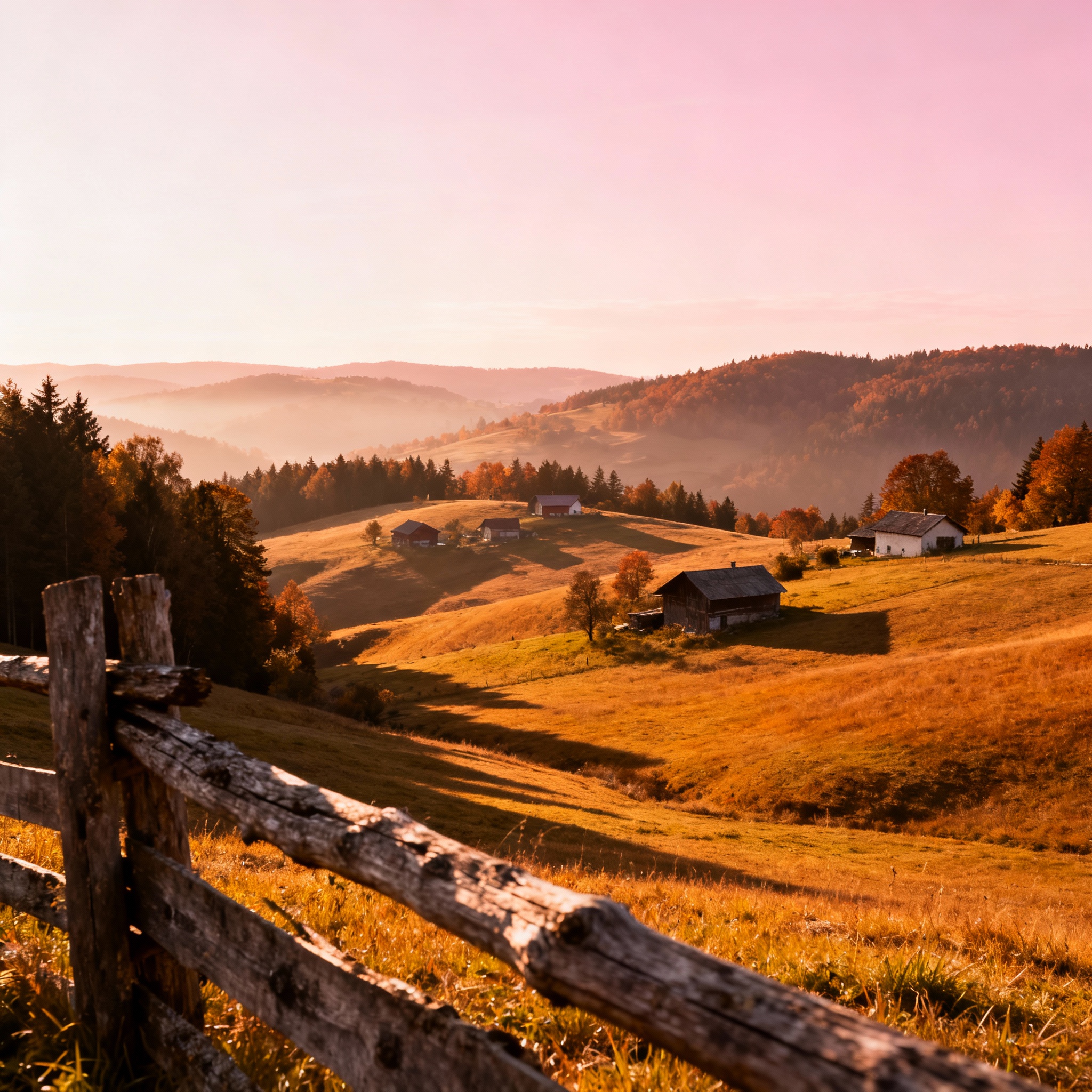
Stretching from Victoria’s southern shoreline to the wild coastlines of Port Hardy, rural communities on Vancouver Island define the Island’s character—authentic, self-sufficient, and deeply connected to nature. These communities offer more than scenic living; they provide access to farmland, forests, and a slower pace of life that balances modern convenience with rustic charm.
Whether you’re drawn by the promise of acreage ownership, sustainable farming, or peaceful retirement living, Vancouver Island’s rural areas present endless possibilities. This guide explores community highlights, property insights, infrastructure, and regional trends shaping life across the Island’s countryside.
Key Takeaways
- Rural communities on Vancouver Island feature farmland, forests, waterfronts, and lifestyle-oriented acreages.
- Major regions include Cowichan Valley, Comox Valley, Alberni-Clayoquot, Northern Island, and Saanich Peninsula.
- Zoning and Agricultural Land Reserve (ALR) rules affect property use and subdivision.
- Infrastructure and access vary—some areas are off-grid while others enjoy fiber-optic connectivity.
- Growing interest in self-sufficiency, remote work, and sustainable development continues to shape rural markets.
Overview
From artisan food hubs to forestry towns, each of Vancouver Island’s rural regions offers a distinct lifestyle. This Pillar Blog details population centers, economy, property types, infrastructure, and investment opportunities across the Island’s rural landscape. It’s designed to serve buyers, investors, and families seeking relocation insight or farm ownership clarity. Use the interactive regional table below to compare community features before diving into the detailed breakdown of each region.
| Region | Population | Key Economy | Property Types | Average Price Range |
|---|---|---|---|---|
| Cowichan Valley | 84,000 | Agriculture, wine, tourism | Hobby farms, equestrian estates, acreages | $700,000–$3M |
| Comox Valley | 72,000 | Forestry, marine trade, farming | Mixed acreages, waterfront property | $800,000–$2.5M |
| Alberni-Clayoquot | 31,000 | Fishing, forestry, tourism | Affordable rural homes, forested acreages | $500,000–$1.5M |
| Northern Vancouver Island | 13,000 | Mining, forestry, eco-tourism | Remote land parcels, off-grid properties | $300,000–$1.2M |
| Saanich Peninsula | 45,000 | Agritourism, technology, small business | Luxury acreages, vineyards, waterfront homes | $1M–$5M+ |
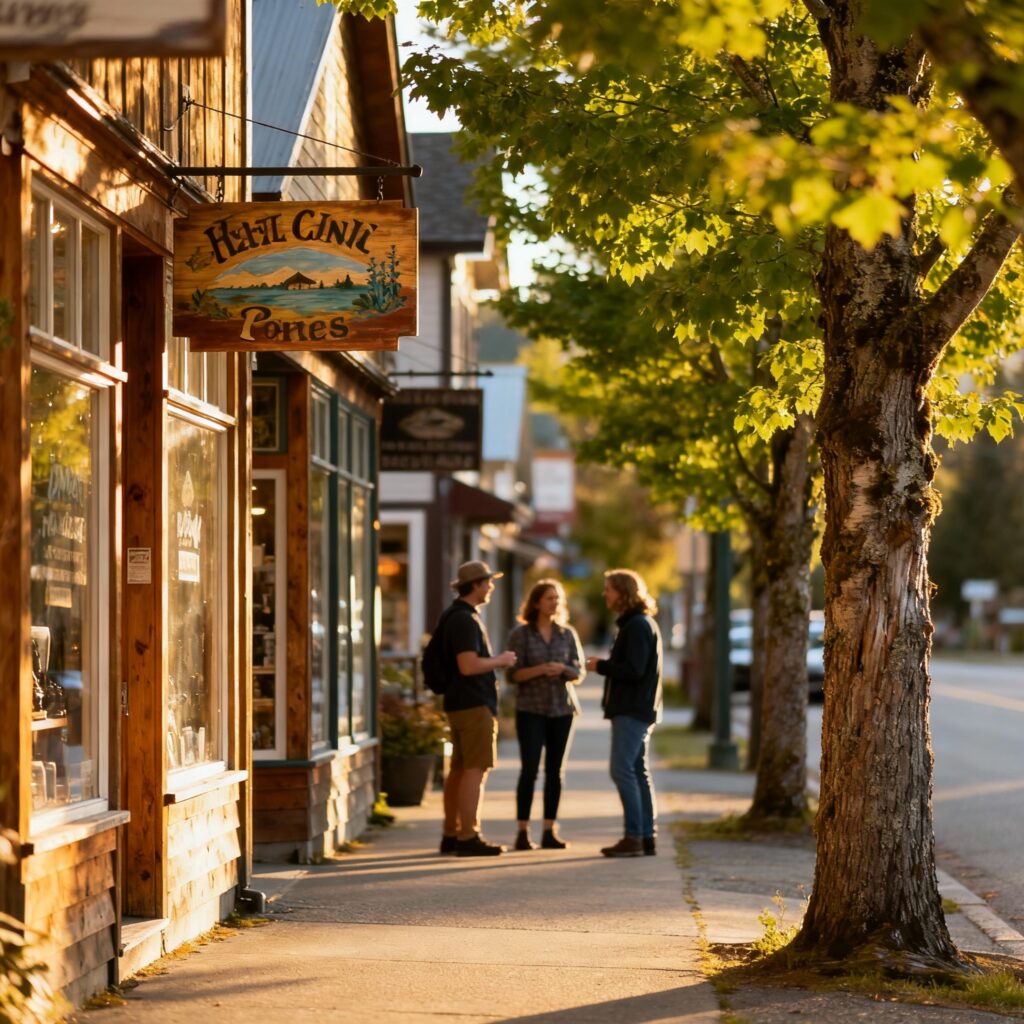
Rural Diversity Across Vancouver Island
Southern Island: Balance of Urban and Rural
The southern region—home to the Saanich Peninsula and Metchosin—offers proximity to Victoria while preserving farmland through Agricultural Land Reserve (ALR) zoning. Commuters enjoy quiet living with quick city access, making it ideal for professionals, retirees, and families. Metchosin and Saanich properties typically feature acreages, vineyards, and ocean-view homes. Learn more about this region’s real estate appeal through our Metchosin Land Listings Guide.
Cowichan Valley: Agricultural Hub
The Cowichan Valley’s “Provence-like” climate supports vineyards, organic farms, and equestrian lifestyles. Buyers can find rural communities in Cowichan Valley that harbor active agricultural groups, local markets, and food co-ops. The towns of Duncan, Cobble Hill, and Glenora are popular for hobby farms, while Cowichan Bay and Shawnigan Lake attract waterfront buyers combining recreation with investment.
Central Island: Fertility Meets Connectivity
Mid-Island communities like Parksville, Nanaimo’s outskirts, and the Cedar-Yellow Point corridor blend accessibility and natural splendor. The central region suits those seeking smaller acreages with easy amenity access—popular with early retirees and remote professionals. The solid infrastructure here includes hydro, high-speed broadband, and commuter connections.
Comox Valley: Coastal Productivity
Centered around Courtenay and Comox, this region balances vibrant communities with protected rural expanses. Farming coexists with eco-tourism and arts, while the iconic Mount Washington skiing area adds recreational value. Waterfront acreages and riverfront farms are in consistent demand, offering both lifestyle appeal and rental revenue potential.
Alberni-Clayoquot: Gateway to the Wild West Coast
Known for its rugged coastline and affordability, Alberni-Clayoquot attracts buyers seeking large lots amid nature. From small farms in Port Alberni to waterfront cabins in Ucluelet, investments here tend to be long-term and lifestyle-driven. Infrastructure expansion—especially broadband internet—is improving property values and connectivity.
Northern Vancouver Island: Off-Grid Possibilities
North Island’s vast forests, fishing communities, and eco-tourism draws appeal to those seeking remote living or investment properties. Villages like Port Hardy, Alert Bay, and Port McNeill are emerging as affordable frontiers for sustainable agriculture and wilderness lodges. Many lots remain forested or undeveloped, offering lower entry prices and unique opportunities for conservation projects or off-grid living.
Infrastructure and Accessibility
Transportation
The Island’s main highway—BC Highway 19—spans Victoria to Port Hardy. Paved roads service most populated areas, while logging routes and gravel roads provide access to remote lands. Major ferry terminals (Swartz Bay, Departure Bay, and Duke Point) connect residents to the mainland.
Utilities and Connectivity
Infrastructure varies by region. Rural communities rely on wells, septic systems, and alternative energy such as solar or propane. Internet access has improved significantly through rural broadband initiatives, with expanding fiber-optic coverage across Cowichan, Comox, and Saanich regions.
Education and Healthcare
Most districts feature local elementary schools and medical clinics, with secondary and tertiary care located in nearby urban hubs. Duncan, Courtenay, and Port Alberni host regional hospitals supporting surrounding smaller communities.
Zoning, Land Use, and the ALR
Agricultural Land Reserve (ALR) Overview
The Agricultural Land Commission (ALC) governs ALR land use across Vancouver Island. ALR policies maintain agricultural integrity by controlling subdivision, development, and non-farm activity. For buyers exploring rural communities, reviewing ALR designations is critical for understanding permissible property uses.
Common Zoning Types
- Agricultural (A): Permits livestock, cultivation, and farming activities.
- Rural Residential (RR): Allows residential living with small-scale farming.
- Forestry (F): Intended for timber production and conservation but allows selective development.
Always confirm zoning with regional municipalities before starting construction or home-based business operations.
Economic Drivers in Rural Regions
Agriculture and Agri-Tourism
Farm stands, wineries, and artisan producers thrive across southern and central regions. Popular crops include grapes, vegetables, berries, and specialty livestock. Agri-tourism supports local economies through tasting rooms, farm stays, and harvest festivals.
Forestry and Resource Management
Sustainable forestry remains central to the Comox Valley and Alberni regions. Many rural residents derive income through tree farming or small-scale forestry management, balancing environmental conservation with economic benefit.
Tourism and Seasonal Rentals
Eco-tourism growth fuels demand for short-term rentals, lodges, and campground operations. Waterfront acreages near Ucluelet, Campbell River, and Quadra Island align well with vacation investment models.
Property Investment and Financing
Financing Rural Properties
Financing depends on location, infrastructure, and intended use. Lenders typically require 25–35% down for acreages. Properties with working farms or structures may qualify for additional credit flexibility through Farm Credit Canada.
Investment Value and Growth
Island-wide, rural property appreciation remains consistent. Limited supply—particularly ALR-designated land—maintains value stability. Hybrid properties combining farming, tourism, or forest utilization provide diverse income channels.
Rural Community Living
Sustainability and Lifestyle
Life in rural communities on Vancouver Island emphasizes sustainability, privacy, and strong local identity. Residents embrace renewable energy, self-sufficient gardening, and neighborly collaboration through co-op programs and small-scale markets.
Community and Connectivity
Cultural diversity thrives across the Island’s rural spectrum. Indigenous heritage, local artisans, and shared stewardship values enrich each community’s culture, ensuring newcomers find belonging through creativity and respect for the land.
Work-from-Home Opportunities
Enhanced internet access enables professionals to work remotely amid serene landscapes, with many small business owners integrating e-commerce and creative services from their acreages.
Ready to explore rural communities on Vancouver Island? Contact Andrew Hrushowy at 755 Humboldt St, Victoria, BC V8W 1B1 or call (250) 383-1500 for a customized property search. With proven expertise in rural, agricultural, and recreational real estate, Andrew helps buyers uncover properties aligned with lifestyle goals, zoning constraints, and investment potential. Learn more through the Complete Guide to Farms for Sale on Vancouver Island.
FAQs
Q: Which regions are considered rural on Vancouver Island?
A: Key rural areas include the Cowichan Valley, Comox Valley, Alberni-Clayoquot, Northern Island, and the Saanich Peninsula.
Q: Are rural Vancouver Island properties within the ALR?
A: Many properties are, particularly in agricultural belts like Cowichan and Central Saanich, restricting subdivision but offering tax incentives.
Q: What amenities are available in rural areas?
A: Most communities offer groceries, schools, and healthcare, while major hospitals and shopping centers are located in urban hubs like Nanaimo and Victoria.
Q: Is off-grid living viable on the Island?
A: Yes—northern and western communities support solar, propane, and well-based systems, creating self-sustaining lifestyles.
Q: How is the property market performing?
A: Rural property demand continues to grow, supported by lifestyle trends, limited supply, and improved broadband access.
Q: What types of careers thrive in rural communities?
A: Agriculture, construction, arts, eco-tourism, and remote digital work dominate local economies.
Q: Can non-residents buy rural property?
A: Yes, with similar processes to residents, though financing may differ depending on lender policies.
Conclusion
Rural communities on Vancouver Island represent the heart of Island living—where sustainability, creativity, and connection flourish. Whether you’re seeking a productive farm, wooded acreage, or cozy coastal retreat, each region offers distinct opportunities shaped by its geography and people. With the right planning and professional guidance, life in rural Vancouver Island promises unmatched beauty, stability, and belonging.