
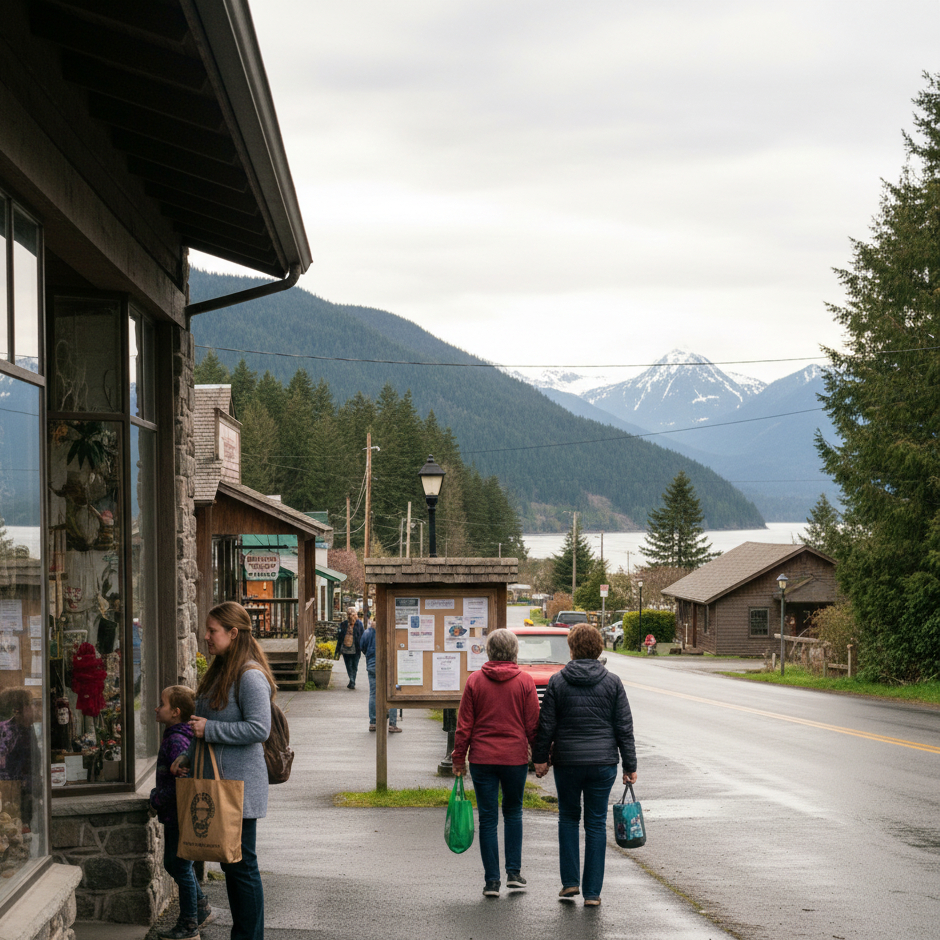
March 2026 offers perfect timing to explore community spotlight Vancouver Island, with spring renewal energizing rural towns across the island and revealing distinctive characteristics defining authentic small-town living beyond urban convenience pressures. Vancouver Island’s rural communities—spanning Cowichan Valley wine country (Duncan, Lake Cowichan, Cowichan Bay), Central Island family hubs (Parksville, Qualicum Beach), Nanaimo’s economic engine, Port Alberni’s west-coast positioning, Campbell River’s recreational focal point, and North Island adventure destinations (Port Hardy, Telegraph Cove)—each offer distinctive lifestyle appeal, economic foundations, and community character transcending homogeneous suburban sprawl.
Real estate expert Andrew Hrushowy emphasizes that understanding specific community characteristics—population demographics, employment diversification, amenity positioning, environmental character, and lifestyle infrastructure—enables informed decisions about relocation, investment, and long-term community belonging aligned with personal values and objectives. This comprehensive community spotlight examines major Vancouver Island rural towns, extracts defining characteristics, and provides strategic positioning enabling confident decisions about community fit and relocation success.
Understanding distinctive rural town characteristics, community culture, and lifestyle infrastructure enables informed relocation decisions supporting lasting satisfaction and community integration beyond initial property transactions.
Key Takeaways
- Cowichan Valley (Duncan, Lake Cowichan, Cowichan Bay): Population ~80,000; wine country heritage; agricultural identity; tourism infrastructure; artisan culture; lifestyle buyer attraction; median home prices $750K–$1.2M.
- Nanaimo: Regional economic hub (90,504 population); healthcare and technology employment centers; knowledge-economy transition; diverse retail/services; median home prices $550K–$750K; strong economic diversification fundamentals.
- Parksville/Qualicum Beach: Family-focused communities (12,514 Parksville; 8,687 Qualicum); beach recreation; retirement migration; healthcare proximity; summer tourism; affordable family housing $500K–$800K; aging population dynamics.
- Campbell River: North Island primary hub; population ~32,000; salmon fishing heritage; outdoor recreation; forestry legacy; employment diversification emerging; housing $450K–$700K; remote worker relocation target.
- Andrew Hrushowy identifies March 2026 spring renewal as optimal moment for community exploration with visible seasonal character, engaged local populations, and authentic representation of year-round community dynamics.
Overview
Community spotlight Vancouver Island March 2026 reveals diverse rural towns offering distinctive lifestyle opportunities transcending homogeneous suburban alternatives. Andrew Hrushowy’s comprehensive community analysis indicates that successful rural relocation depends on understanding specific town characteristics—population structure, employment diversity, amenity infrastructure, environmental character, social engagement—enabling alignment between community offerings and personal lifestyle objectives.
This pillar blog examines major Vancouver Island rural communities, synthesizes defining characteristics, and provides strategic guidance supporting confident decisions about community fit and relocation success aligned with personal and financial objectives.
| Community | Population | Primary Character | Key Amenities | Housing Range | Target Demographics |
|---|---|---|---|---|---|
| Duncan (Cowichan Valley) | 5,032 (serves 80K region) | Wine country; agricultural heritage; artisan culture | Wineries, farmers markets, BC Forest Discovery Centre, Raptor Centre | $750K–$1.2M | Lifestyle buyers, wine enthusiasts, artisans, downsizers |
| Lake Cowichan | 3,325 | Summer recreation, lake tourism, tight community | Lake activities, hiking, fly fishing, provincial parks | $850K–$1.5M | Recreation enthusiasts, retirees, cottage owners, families |
| Nanaimo | 90,504 (RDN 155,698) | Economic hub; healthcare/tech employment; knowledge economy | Hospital, retail/services, downtown revitalization, Nanaimo Parkway | $550K–$750K | Families, professionals, business owners, relocating workers |
| Parksville | 12,514 | Family community; beach recreation; retirement destination | Parksville Beach, summer activities, family amenities, healthcare | $500K–$800K | Families with children, retirees, downsizers, summer vacationers |
| Qualicum Beach | 8,687 | Oceanside resort town; retired professionals; walkable community | Oceanfront beaches, golf courses, retirement services, dining | $550K–$900K | Retirees, affluent empty-nesters, downsizers seeking walkability |
| Campbell River | ~32,000 | Salmon fishing; outdoor recreation; North Island hub | Fishing (sportfish), hiking, Quadra Island ferry, recreation | $450K–$700K | Outdoor enthusiasts, remote workers, fishing enthusiasts, families |
| Port Alberni | 18,259 | West-coast gateway; forestry heritage; natural beauty | Pacific Rim access, Sproat Lake, hiking, Indigenous heritage | $400K–$650K | Outdoor adventurers, nature seekers, adventure tourism workers |
| Port Hardy | ~4,000 | North Island wilderness; bear/whale watching; adventure base | Wildlife viewing, fishing, Prince Rupert ferries, remote adventure | $350K–$550K | Adventure seekers, wildlife enthusiasts, retirees seeking solitude |
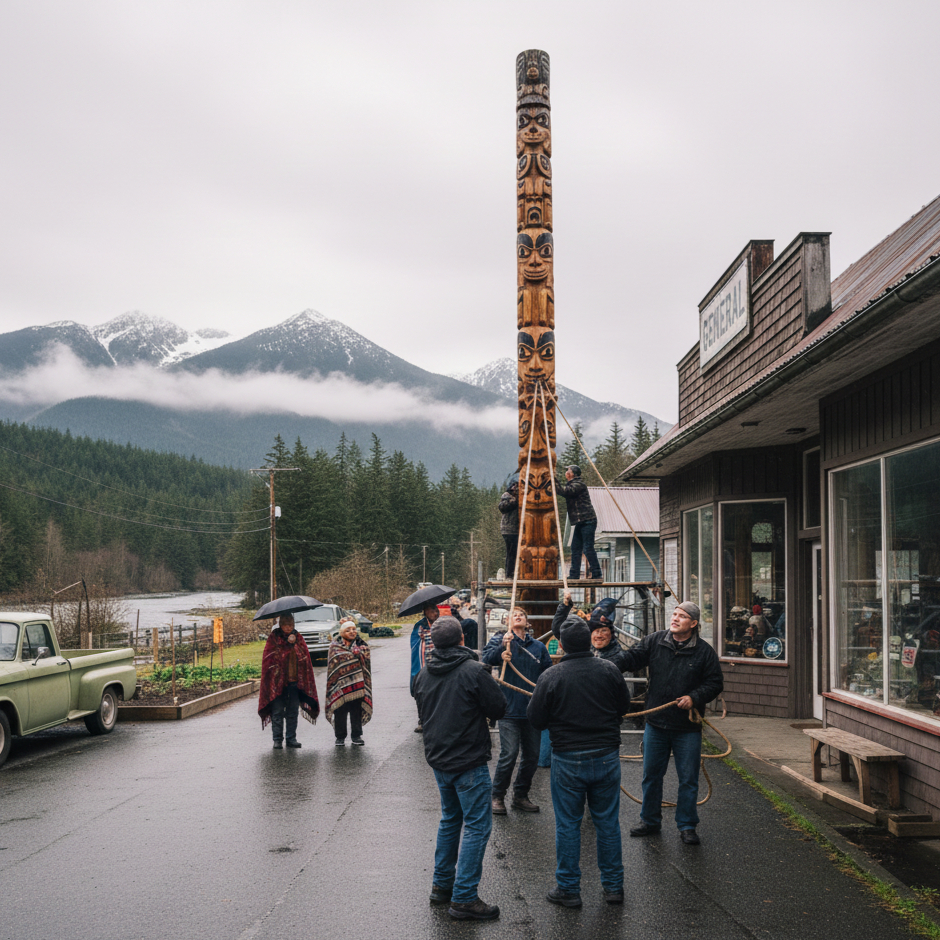
Cowichan Valley: Wine Country Heritage and Agricultural Legacy
Duncan: Commercial Hub and Artistic Heart
Duncan (population 5,032, serving ~80,000 Cowichan Valley residents) functions as commercial and cultural center of wine country, combining historic charm with contemporary amenities supporting diverse demographics. Andrew Hrushowy identifies Duncan’s defining characteristics:
- Wine Country Infrastructure: 30+ established wineries supporting wine tourism, tasting rooms, and agritourism revenue generating authentic rural economy
- Artistic Community: Strong artisan culture reflected in local galleries, studios, farmers markets, and handcraft tradition (famous Cowichan sweaters)
- Agricultural Heritage: Farmland interspersed throughout valley supporting organic farming, specialty crops, and agricultural identity
- Cultural Attractions: BC Forest Discovery Centre, Quw’utsun’ Cultural Centre (First Nations), Raptor Centre, historic totem pole collection
- Recreation Access: Cowichan River Provincial Park (750 hectares, 20 kilometers), hiking, biking, boating, fishing infrastructure
Duncan’s housing market ($750K–$1.2M range) attracts lifestyle buyers prioritizing wine country experience, artisan community, and agricultural character over suburban anonymity. Andrew Hrushowy notes that Duncan’s managed growth and strong community values (agricultural preservation, environmental stewardship, artisan celebration) create distinctive identity supporting long-term satisfaction for values-aligned buyers.
For detailed Cowichan Valley property exploration, visit our hobby farms for sale in Cowichan Valley and acreages for sale in Cowichan Valley guides providing regional expertise and current opportunities.
Lake Cowichan: Summer Recreation and Tight Community
Lake Cowichan (population 3,325) centers on scenic lake environment providing summer recreation (swimming, paddleboarding, kayaking, fishing) and year-round outdoor lifestyle. Andrew Hrushowy identifies Lake Cowichan’s positioning:
- Recreation Paradise: Cowichan Lake (23 km long, stunning mountain backdrop) enables waterfront recreation, fly fishing (internationally recognized), and boating
- Provincial Parks: Gordon Bay Provincial Park (camping, kayaking), Cowichan River Provincial Park (hiking, fly fishing, heritage trail)
- Tight Community: Small population enables authentic neighbor relationships, volunteer culture, and genuine belonging difficult achieving in larger towns
- Trans-Canada Trail: Western terminus of world’s longest trail network (28,000+ km) attracting hikers and outdoor enthusiasts
- Seasonal Tourism: Summer tourism drives economic activity and seasonal employment without overwhelming community character year-round
Housing ($850K–$1.5M range) reflects premium waterfront positioning and recreation-focused lifestyle appeal attracting families, recreation enthusiasts, and retirees prioritizing active outdoor living. Andrew Hrushowy emphasizes that Lake Cowichan’s draw centers on recreation access and tight-knit community rather than commercial services, requiring lifestyle alignment emphasizing outdoor engagement over convenience maximization.
Nanaimo: Central Island Economic Engine and Emerging Opportunity
Nanaimo’s Economic Diversification and Knowledge Economy Transition
Nanaimo (population 90,504, Regional District 155,698) represents Central Island’s economic hub undergoing transformative transition from resource-extraction economy (forestry, coal mining) toward knowledge-based economy emphasizing healthcare, technology, retail, and professional services. Andrew Hrushowy identifies Nanaimo’s emerging positioning:
- Healthcare Hub: Major regional hospital, private healthcare facilities, and growing healthcare employment (14.4% growth 2011–2016) supporting aging population and regional service delivery
- Technology and Innovation: Vancouver Island University graduates providing workforce talent; emerging tech sector attracting entrepreneurs and remote workers
- Regional Retail Center: Primary trade area 164,235 people (Nanaimo RD + Ladysmith); secondary trade area 142,179 people (Alberni-Clayoquot + Comox); tertiary trade area 86,237 people (Cowichan + Mount Waddington)
- Downtown Revitalization: Active urban renewal initiatives improving walkability, attracting businesses, and enhancing community vibrancy
- Affordable Accessibility: Median housing prices ($550K–$750K) significantly lower than south Island, enabling family purchasing power while maintaining employment opportunities
Andrew Hrushowy projects Nanaimo as emerging 2026 opportunity attracting remote workers, families seeking affordability combined with services, and professionals recognizing economic diversification creating stable employment landscape. Downtown revitalization and knowledge-economy orientation position Nanaimo as secondary employment center reducing south Island job concentration.
Parksville and Qualicum Beach: Family Community and Retirement Destination
Parksville: Beach Recreation and Family Living
Parksville (population 12,514) emphasizes family-friendly amenities, beach recreation, and affordable family housing attracting young families and working professionals. Andrew Hrushowy identifies Parksville’s appeal:
- Parksville Beach: Sandy oceanfront beaches providing summer swimming, family activities, and seasonal tourism infrastructure
- Family Amenities: Community programs, playgrounds, recreational facilities, and family-focused businesses supporting child-centered households
- Affordable Housing: $500K–$800K range enables family purchases otherwise unaffordable in premium south Island markets
- School Quality: Regional schools serving family demographic with emphasis on community-engaged education
- Seasonal Tourism: Summer visitor economy drives business activity and employment without overwhelming year-round community character
Parksville attracts families with young children, working professionals seeking community character, and downsizers later in lifecycle stages. Andrew Hrushowy notes that Parksville’s aging population profile (median age comparable to national average) creates both opportunities (housing stock, community services) and challenges (school enrollment, employment diversity).
Qualicum Beach: Oceanside Retreat and Affluent Retirement
Qualicum Beach (population 8,687) positions itself as upscale oceanside resort community attracting affluent retirees, empty-nesters, and professionals prioritizing walkable community character and seaside lifestyle. Andrew Hrushowy identifies Qualicum’s distinctive positioning:
- Oceanfront Positioning: Sandy beaches, ocean views, and waterfront access supporting premium lifestyle appeal
- Golf Culture: Multiple championship golf courses attracting golf enthusiasts and retired professionals
- Walkable Community: Compact downtown enabling pedestrian access to restaurants, shopping, services without vehicle dependence
- Retirement Services: Healthcare facilities, retirement communities, and age-friendly infrastructure supporting aging population needs
- Affluent Demographics: Housing prices ($550K–$900K) and community positioning attract affluent retirees and empty-nesters
- Cultural Attractions: Art galleries, summer festivals, fine dining, and cultural programming appealing to educated, culturally-engaged demographics
Andrew Hrushowy emphasizes that Qualicum Beach appeals to lifestyle and values alignment rather than employment opportunities, attracting retirees prioritizing beach community character and social engagement over career advancement.
Campbell River: North Island Hub and Outdoor Recreation Gateway
Campbell River’s Fishing Heritage and Outdoor Lifestyle
Campbell River (population ~32,000) functions as North Island’s primary economic and recreational hub, famous for Chinook salmon fishing, outdoor recreation access, and gateway to Discovery Islands. Andrew Hrushowy identifies Campbell River’s positioning:
- World-Class Fishing: Chinook salmon fishing heritage, sport fishing infrastructure, and annual salmon festivals attracting fishing enthusiasts globally
- Outdoor Recreation: Hiking, kayaking, diving, and mountain biking infrastructure enabling diverse outdoor engagement
- Gateway to Islands: Quadra Island ferry (10-minute crossing) providing adjacent island recreation, Kwagiulth Museum access, and artistic community
- Employment Diversification: Forestry legacy transitioning toward tourism, healthcare, services, and remote work enabling economic stability
- Emerging Remote Worker Appeal: Improved broadband infrastructure enabling work-from-anywhere capability attracting digital professionals
- Affordable Housing: $450K–$700K range enables accessible entry compared to south Island alternatives
Andrew Hrushowy projects Campbell River as 2026 emerging opportunity as remote work stabilizes and outdoor recreation appeal attracts lifestyle relocators prioritizing adventure access combined with affordability. Community’s transition toward knowledge economy and tourism reduces resource-extraction dependence creating employment diversification.
Port Alberni and West Coast: Gateway to Pacific Rim Adventure
Port Alberni: West Coast Gateway and Natural Beauty
Port Alberni (population 18,259) serves as primary gateway to Pacific Rim National Park, Tofino/Ucluelet beaches, and wild West Coast recreation. Andrew Hrushowy identifies Port Alberni’s unique positioning:
- Pacific Rim Access: Central positioning provides gateway to Pacific Rim National Park, Long Beach, Broken Group Islands, and West Coast wilderness
- Sproat Lake Recreation: Mountain lake providing fishing, boating, camping, and natural beauty second only to ocean scenery
- Indigenous Heritage: Tseshaht and Hupacasath First Nations ancestral territory with authentic cultural experience opportunities
- Forestry Legacy: Historic forest industry heritage transitioning toward tourism and outdoor recreation economy
- Affordable Living: $400K–$650K housing range enables accessible West Coast living impossible in touristy Tofino/Ucluelet
- Adventure Base: Natural beauty, wildlife, and outdoor recreation infrastructure supporting adventure-oriented lifestyle
Andrew Hrushowy notes that Port Alberni attracts outdoor adventurers, nature seekers, and those prioritizing wild environment over urban convenience. Housing affordability combined with exceptional recreation access creates compelling value for adventure-focused buyers. Current economic transition (forestry to tourism) creates employment challenges requiring remote work capability or seasonal employment acceptance.
North Island: Remote Frontier and Wildlife Adventure
Port Hardy and Telegraph Cove: Ultimate Northern Adventure
North Island communities (Port Hardy, Telegraph Cove, Port McNeill) represent ultimate frontier experience combining wildlife viewing (bears, whales, eagles), Indigenous heritage, and pristine wilderness environment. Andrew Hrushowy identifies North Island positioning:
- Bear Watching: Coastal Bear Rainforest access providing world-class black and grizzly bear viewing opportunities
- Whale Watching: Johnstone Strait expertise (orca, humpback, minke whales) supporting guided viewing tours
- Indigenous Experience: First Nations heritage and cultural immersion opportunities authentic to ancestral territories
- Fishing Excellence: Salmon, halibut, and sport fishing providing recreation and employment
- Prince Rupert Ferry: Ferry connection enabling Alaska exploration and alternative transportation routes
- Extreme Affordability: $350K–$550K housing range (lowest Vancouver Island pricing) enabling budget-conscious relocation
Andrew Hrushowy emphasizes that North Island requires significant lifestyle commitment—embrace remote location, limited services, adventure focus, and self-reliance. Population ~4,000 (Port Hardy) creates intimate community but limited employment diversity. Remote work capability essential for non-tourism employment.
Current North Island trajectory shows emerging appreciation potential as remote work permanence stabilizes and broadband infrastructure improves, creating attractive 3–5% annual appreciation potential for patient long-term holders.
Strategic Community Selection Framework
Population Profile and Lifecycle Alignment
Andrew Hrushowy recommends evaluating communities through population and lifecycle lens:
- Young Families: Parksville (schools, family amenities), Campbell River (affordability, outdoor recreation), Nanaimo (employment, services)
- Professionals/Remote Workers: Nanaimo (broadband, employment), Campbell River (emerging infrastructure), North Island (ultimate flexibility)
- Empty-Nesters: Duncan (wine country, artisan culture), Qualicum Beach (walkability, services), Lake Cowichan (recreation, community)
- Retirees: Qualicum Beach (healthcare, walkability, affluent community), Parksville (affordable retirement services), Campbell River (accessible living)
Employment and Economic Considerations
Community relocation success depends on employment alignment:
- Employment Diversity: Nanaimo offers strongest employment diversity (healthcare, tech, services, retail)
- Remote Work Viability: Campbell River and North Island require broadband confidence; increasingly viable through 2026
- Seasonal Employment: Parksville, Lake Cowichan, Campbell River offer seasonal tourism/recreation opportunities
- Self-Employment/Business: Duncan (wine industry, artisan markets), Lake Cowichan (tourism), Port Alberni (adventure tourism)
Amenity Infrastructure and Lifestyle Requirements
Community fit depends on amenity priorities:
- Cultural/Dining: Duncan (galleries, farmers markets, wineries), Qualicum Beach (fine dining, arts)
- Recreation Access: Campbell River, Lake Cowichan, Port Alberni (outdoor activities), North Island (wilderness)
- Healthcare: Nanaimo, Parksville (hospital proximity, services), Qualicum Beach (retirement-focused healthcare)
- Shopping/Services: Nanaimo (comprehensive retail), Duncan, Parksville (regional centers), smaller communities require Victoria travel
Ready to explore community spotlight Vancouver Island and discover your ideal rural town? Andrew Hrushowy—with comprehensive community knowledge, lifestyle positioning expertise, and strategic relocation guidance—enables confident decisions about community fit and long-term belonging. Contact Andrew Hrushowy at 755 Humboldt St, Victoria, BC V8W 1B1 or call (250) 383-1500 for detailed community analysis, property evaluation, and relocation strategy consultation.
For comprehensive property exploration across all Vancouver Island communities, explore our hobby farms for sale in Cowichan Valley, real estate on the Saanich Peninsula, rural communities on Vancouver Island, and community guides providing detailed regional context and property opportunities.
FAQs
Q: Which Vancouver Island rural community is best for my family?
A: Parksville offers family amenities and affordability; Nanaimo provides employment diversity and services; Campbell River delivers outdoor recreation and emerging remote work viability.
Q: What communities offer best retirement positioning?
A: Qualicum Beach (healthcare, walkability, affluent community), Parksville (affordable retirement services, family access), Lake Cowichan (recreation-focused lifestyle).
Q: Which communities attract remote workers?
A: Nanaimo (broadband established, services), Campbell River (emerging broadband, outdoor appeal), North Island (ultimate affordability, extreme commitment required).
Q: What is Cowichan Valley’s primary appeal?
A: Wine country heritage, artisan culture, agricultural identity, and lifestyle community attracting values-aligned buyers prioritizing wine tourism and artistic expression.
Q: Which communities offer best value pricing?
A: Port Alberni ($400K–$650K), Campbell River ($450K–$700K), North Island ($350K–$550K) provide lowest Vancouver Island pricing with emerging appreciation potential.
Q: How should I evaluate community fit before relocating?
A: Visit during different seasons, talk with current residents, assess employment/services alignment, evaluate amenity priorities, test community engagement opportunities.
Conclusion
Community spotlight Vancouver Island March 2026 reveals diverse rural towns offering distinctive lifestyle opportunities—wine country authenticity (Duncan), economic opportunity (Nanaimo), family community (Parksville), ocean resort appeal (Qualicum Beach), outdoor adventure (Campbell River), wilderness gateway (Port Alberni), and frontier experience (North Island). Andrew Hrushowy emphasizes that successful rural relocation depends on evaluating community characteristics (population, employment, amenities, culture, environment) against personal lifestyle objectives, financial capacity, and long-term vision.
March 2026 spring renewal provides optimal timing for authentic community exploration revealing year-round character and engaged local populations. Strategic community selection aligned with personal values and lifestyle objectives supports lasting satisfaction transcending transactional property mechanics, enabling genuine belonging in authentic rural communities supporting meaningful living aligned with personal vision.