
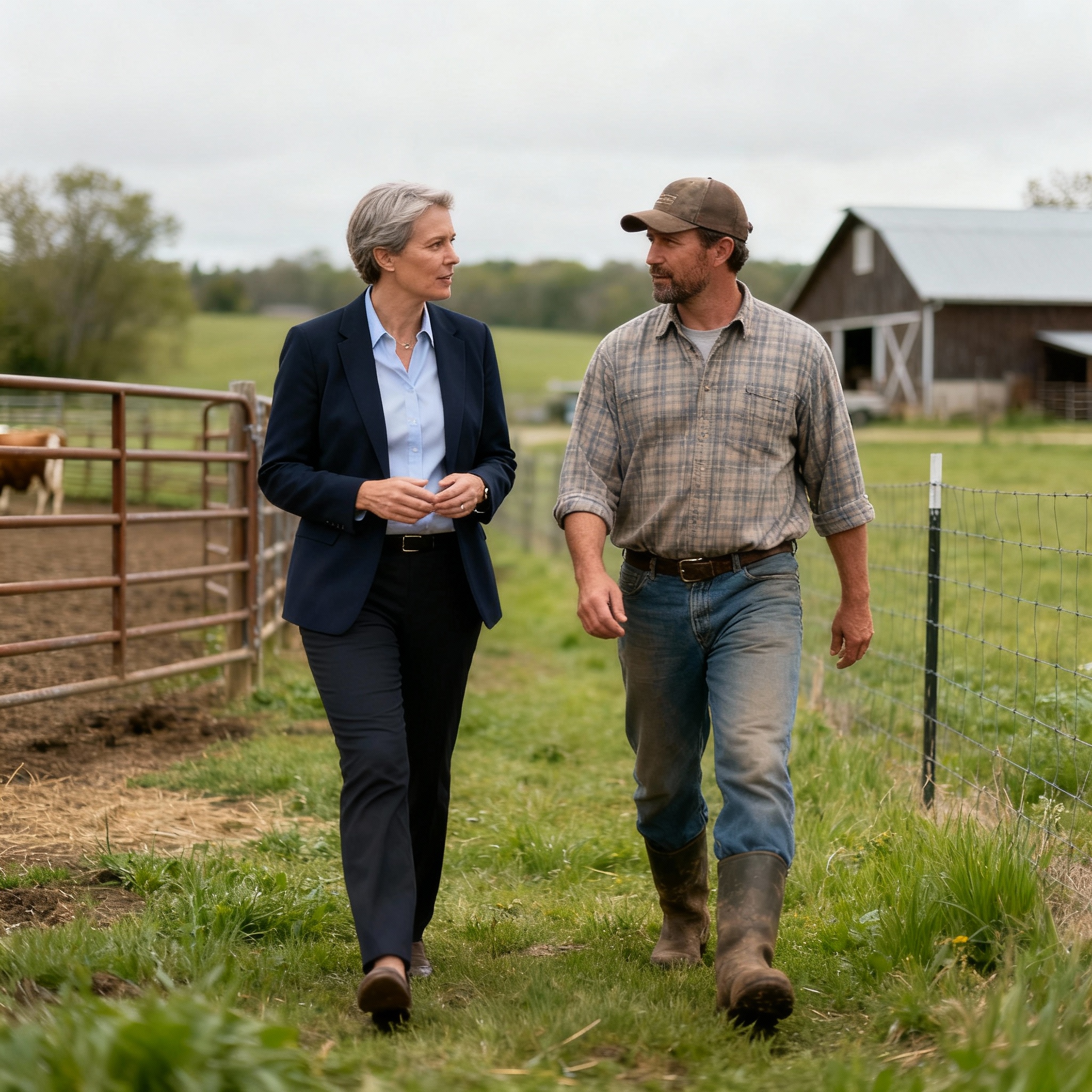
January 2026 brings exciting opportunities for agricultural buyers and lifestyle farmers as new farms for sale on Vancouver Island emerge across diverse regions, each offering unique combinations of productive acreage, infrastructure, and income-generating potential aligned with varied buyer aspirations and agricultural visions. The new year traditionally signals renewed market activity as motivated sellers list properties, first-time farmers finalize financing, and investors identify opportunities for capital deployment into agricultural real estate supporting long-term wealth accumulation and meaningful rural lifestyle transitions.
Vancouver Island’s farm market showcases exceptional diversity—from established organic operations generating consistent income through value-added product sales, to hobby farm properties combining personal enjoyment with modest agricultural pursuits, to raw agricultural land awaiting development by visionary entrepreneurs. Understanding current listings, regional characteristics, property types, and strategic acquisition timing positions buyers to identify properties perfectly aligned with financial capacity, operational expertise, and lifestyle objectives.
Key Takeaways
- January 2026 farm listings span multiple regions including Cowichan Valley, Comox Valley, Saanich Peninsula, and Northern Island communities.
- Property types range from established operations with infrastructure to raw land requiring development investment and management dedication.
- Prices reflect productivity, infrastructure maturity, market positioning, and regional demand dynamics—from $500,000 for entry-level properties to $5M+ for premium operations.
- Agricultural Land Reserve (ALR) protections ensure farmland preservation while restricting subdivision and non-agricultural development creating value stability.
- Seasonal market entry in January attracts motivated buyers, encouraging pricing competitiveness and negotiation opportunities unavailable during peak spring/summer seasons.
Overview
January represents optimal timing for farm property acquisition as motivated sellers list properties after holiday season, financing opportunities emerge from year-end planning decisions, and reduced competition from seasonal buyers creates negotiation advantages for serious purchasers. New farms for sale on Vancouver Island in January 2026 reflect accumulated market dynamics throughout 2025—buyer demographic shifts, agricultural market performance, infrastructure developments, and lifestyle preference changes influencing property availability and pricing.
This pillar blog comprehensively explores January 2026 farm listings across Vancouver Island, providing detailed regional analysis, property type guidance, acquisition strategies, and investment considerations supporting confident purchasing decisions. For broader agricultural context, explore our Complete Guide to Farms for Sale on Vancouver Island.
| Region | Property Types | Average Price Range | Key Characteristics |
|---|---|---|---|
| Cowichan Valley | Vineyards, organic farms, hobby properties | $800,000–$3.5M | Established market, agricultural infrastructure, wine tourism |
| Saanich Peninsula | Mixed farms, market gardens, equestrian estates | $1.2M–$4M | Proximity to Victoria, premium pricing, established clientele |
| Comox Valley | Specialty crops, forestry operations, hobby farms | $700,000–$2.5M | Diverse agricultural base, community support, scenic setting |
| Northern Island | Raw land, small operations, eco-farming ventures | $400,000–$1.5M | Affordability, remoteness, self-sufficient living appeal |
Featured Regions and January 2026 Listings
Cowichan Valley: Premier Agricultural Destination
Cowichan Valley maintains status as Vancouver Island’s premier agricultural region, combining mild climate, established farming infrastructure, and strong market demand supporting diverse farm operations generating reliable income and lifestyle benefits. January 2026 listings include established vineyards generating consistent wine tourism revenue, certified organic operations commanding premium pricing for wholesale and farm-gate sales, and hobby farms combining personal enjoyment with modest income supplementation through agritourism ventures and artisan product sales.
The region’s agricultural infrastructure—equipment dealers, supply vendors, expert agronomists, pest management specialists—provides essential support systems enabling operational success and accelerating profitability curves for new farm managers. Community engagement through Cowichan Agricultural Association, farmers markets, and collaborative purchasing networks creates social context supporting successful transitions and knowledge sharing among established and emerging operators.
Saanich Peninsula: Luxury and Convenience
Saanich Peninsula farm properties command premium pricing reflecting proximity to Victoria, established client bases for agritourism and direct-to-consumer sales, and exceptional lifestyle appeal combining productive agriculture with convenient urban access. January listings feature heritage estates with established agritourism operations, equestrian properties supporting riding instruction and breeding programs, and market gardens supplying restaurants and retail outlets with specialty produce commanding premium pricing.
Saanich’s established real estate market, investment infrastructure, and strong appreciation history support both lifestyle and investment acquisition motivations. Properties typically appreciate 3–4% annually, supported by limited agricultural land supply within ALR protections and consistent demand from affluent buyers seeking farming integration with refined lifestyle preferences.
Comox Valley: Emerging Opportunities
Comox Valley farm listings present compelling opportunities for buyers seeking established agricultural support infrastructure, reasonable pricing compared to southern Island, and thriving community culture emphasizing sustainability and local food systems. January 2026 properties include specialty crop operations capitalizing on unique growing conditions, diversified mixed farms combining vegetables, fruit, and small livestock, and eco-friendly operations attracting conscious consumers prioritizing sustainable sourcing and environmental stewardship.
The region’s growing reputation attracts young farmers, returnee operators, and lifestyle buyers valuing community engagement, outdoor recreation access, and genuine small-town atmosphere. For detailed Comox insights, explore our rural communities on Vancouver Island comprehensive resource.
Northern Island: Affordability and Autonomy
Northern Vancouver Island farm properties offer exceptional affordability combined with genuine self-sufficiency opportunities, attracting remote workers, eco-conscious buyers, and investors recognizing long-term appreciation potential in emerging markets. January listings include raw land suitable for diverse agricultural ventures, small established operations with existing infrastructure, and hybrid properties combining residential living with productive agriculture or forestry management.
The region’s growing broadband connectivity, improving municipal services, and emerging recognition as viable agricultural frontier create conditions supporting property value appreciation and operational success despite historical remoteness and infrastructure limitations requiring adaptation.
Property Types and Acquisition Strategies
Established Operating Farms: Turnkey Opportunities
Established farms with proven operational systems, existing client relationships, established markets, and productive infrastructure represent turnkey acquisitions for buyers seeking immediate income generation without requiring management startup learning curves or operational development investment. These properties command premium pricing reflecting infrastructure value, operational history, and income-generating potential but provide immediate profitability paths and reduced entrepreneurial risk compared to development-stage properties requiring significant management attention and investment.
January listings often feature retiring farmers seeking succession transitions, established operations expanding owners seeking capital for growth, or corporate agricultural operators divesting regional properties creating acquisition opportunities for owner-operator transitions.
Development-Stage Properties: Entrepreneurial Opportunities
Properties with existing infrastructure—wells, septic systems, existing structures—but requiring operational development, market cultivation, and management systems implementation offer lower acquisition costs combined with entrepreneurial upside potential for committed managers possessing agricultural knowledge, market connections, and willingness to invest sweat equity developing profitability. These properties appeal to returning farmers, agricultural professionals transitioning from corporate employment, and lifestyle buyers prioritizing personal farming involvement over passive income generation.
For financing guidance on agricultural properties, consult our rural property financing resource and explore hobby farms for sale in Cowichan Valley for operational context.
Raw Agricultural Land: Long-Term Investment Plays
Raw agricultural land lacking developed infrastructure but positioned within ALR protections and established farming regions presents long-term appreciation plays for investors prioritizing capital preservation, agricultural heritage protection, and eventual development optionality. These properties offer lower acquisition costs enabling larger acreage acquisition with modest capital investment, appeal to conservation-minded buyers, and provide flexibility for future customization aligning infrastructure development with specific operational visions.
January 2026 listings include properties recently inherited by non-farming heirs, agricultural land released by consolidating operations, and regional development creating new availability as established farmers retire or transition properties.
Agricultural Market Conditions and Opportunities
Climate and Growing Season Advantages
Vancouver Island’s mild winters and extended growing seasons create agricultural advantages supporting diverse crops, year-round productivity, and premium pricing for fresh local produce commanding restaurant and retail premiums versus imported alternatives. January represents optimal timing for assessing property conditions, observing winter dormancy periods, and confirming drainage, accessibility, and infrastructure functionality under challenging weather conditions revealing potential issues invisible during favorable seasons.
Commodity Prices and Market Demand
Organic certification premiums, local food movement momentum, agritourism revenue opportunities, and direct-to-consumer sales channels create favorable market conditions supporting diverse farm business models generating attractive returns for operators possessing market knowledge, customer relationships, and operational efficiency. Understanding commodity price trends, identifying emerging market opportunities, and positioning operations for premium market segments enable financial success beyond subsistence agriculture.
Agricultural Support Programs and Government Assistance
Federal and provincial agricultural programs provide grants, low-interest financing, crop insurance, and technical assistance supporting beginning farmers, agricultural operations, and rural development initiatives. January represents optimal timing for exploring program eligibility, understanding grant application processes, and accessing advisor support positioning operations for maximum financial benefit. For current program information, consult the Agricultural Land Commission (ALC) and BC Ministry of Agriculture.
Financing and Acquisition Considerations
Agricultural Lending and Down Payment Requirements
Agricultural lenders including Farm Credit Canada offer specialized financing designed for farm acquisitions, providing flexible terms, agricultural expertise, and understanding of farming operations’ seasonal income patterns and capital requirements. January 2026 acquisitions benefit from fresh year-end financing decisions, renewed credit availability, and lender appetite supporting competitive rates and favorable terms compared to other seasons when agricultural lending concentrates on spring equipment and operational needs.
Down payment requirements typically range 20–35% depending on property type, existing infrastructure, and operational income history. Properties generating documented agricultural income may qualify for favorable terms reflecting income support and existing client base certainty.
Due Diligence and Professional Consultation
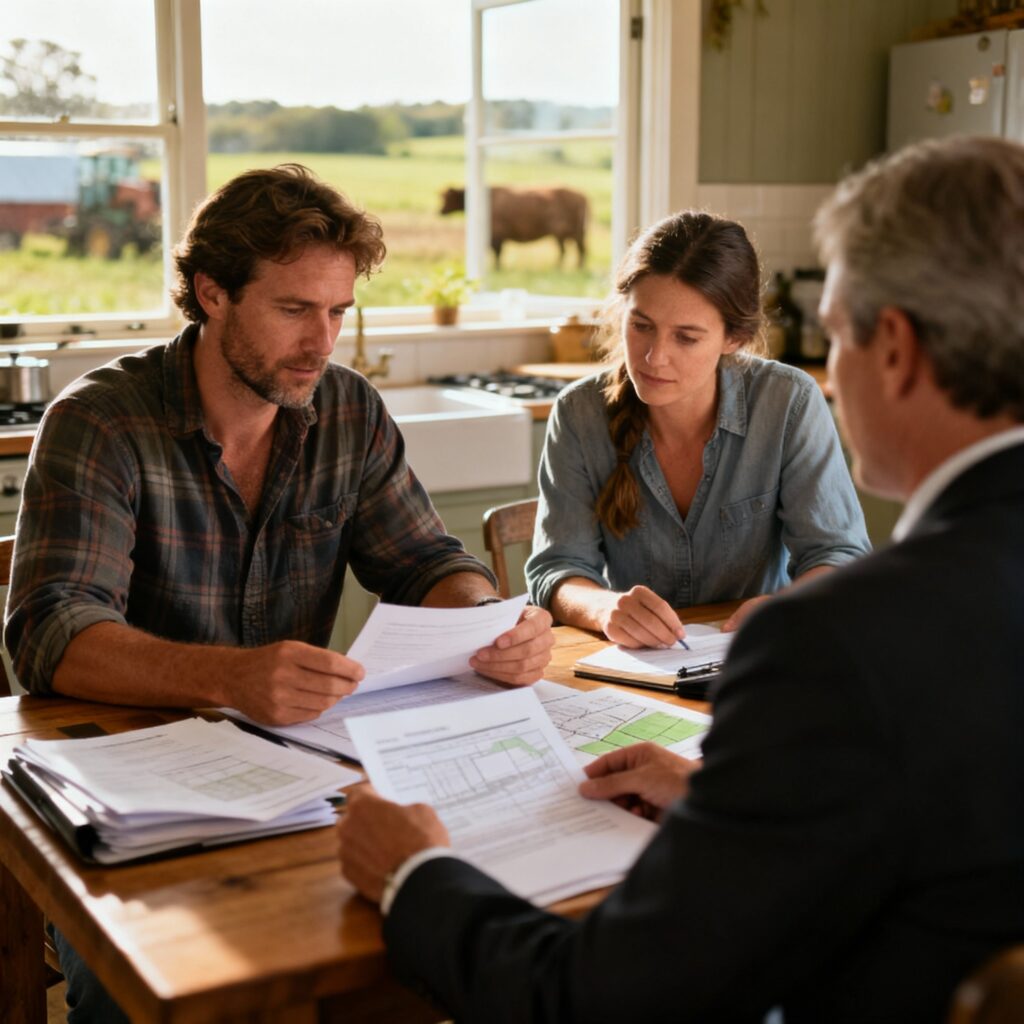
Comprehensive property evaluation requires soil testing, water system verification, septic approval confirmation, building permit review, and agricultural capability assessment ensuring properties support intended operations and regulatory compliance. Professional consultants—agricultural engineers, soil scientists, environmental assessors, tax advisors—provide essential expertise preventing costly post-acquisition surprises and ensuring financing qualification and operational viability.
Market Trends and Strategic Timing
Seasonal Inventory Patterns and January Advantages
January typically sees moderate new listing activity as holiday-delayed properties enter market, motivated sellers recognize year-end decision points, and reduced seasonal competition from spring/summer buyers creates favorable conditions for negotiation and property selection. Properties priced competitively move quickly; overpriced listings remain available providing opportunities for patient, strategic buyers willing to make reasonable offers to motivated sellers.
Population Trends Supporting Farm Property Demand
Remote work flexibility, rural relocation momentum, and lifestyle preference shifts toward self-sufficient living and agricultural engagement drive steady demand from diverse buyer demographics—young families seeking homeschooling advantages, retirees pursuing active agricultural engagement, and professionals integrating farming with professional income streams. January 2026 listings attract buyers crystallizing New Year’s resolutions into concrete property acquisitions and lifestyle transitions.
Ready to explore new farms for sale on Vancouver Island in January 2026 and identify properties perfectly aligned with agricultural visions, lifestyle objectives, and financial capacity? Contact Andrew Hrushowy at 755 Humboldt St, Victoria, BC V8W 1B1 or call (250) 383-1500 for expert guidance through farm acquisition processes, property evaluation, and strategic decision-making.
Andrew’s extensive experience across Vancouver Island agricultural regions—from established Cowichan vineyards through emerging Northern Island opportunities—ensures comprehensive property evaluation and strategic recommendations positioning successful acquisitions aligned with your specific goals. Explore additional resources including our Complete Guide to Farms for Sale on Vancouver Island and waterfront properties on Vancouver Island for complementary investment perspectives.
FAQs
Q: Why is January a good time to purchase farm property?
A: January offers motivated sellers, reduced seasonal competition, fresh financing availability, and opportunities for property assessment under challenging winter conditions revealing infrastructure and drainage performance.
Q: What price range should I expect for Vancouver Island farms?
A: Farm prices vary dramatically by region and property type—from $400,000 for entry-level Northern Island properties to $5M+ for established Cowichan Valley operations, with most properties between $700,000–$2.5M.
Q: Can I get financing for farm properties with less than 20% down?
A: Some lenders offer financing with 15–20% down, particularly for established agricultural properties with income history. Agricultural lenders like Farm Credit Canada provide flexible terms reflecting farming operations’ seasonal patterns.
Q: What’s the difference between ALR and non-ALR properties?
A: ALR properties are protected from subdivision and non-agricultural development, ensuring farmland preservation but restricting development flexibility. Non-ALR properties offer development options but may lack agricultural tax benefits.
Q: How long does farm property acquisition typically take?
A: Farm acquisitions typically require 60–90 days from offer acceptance through closing, including inspections, environmental assessments, agricultural capability evaluation, and specialized financing processes.
Q: Which regions appreciate fastest?
A: Cowichan Valley and Saanich Peninsula properties historically appreciate 3–4% annually supported by limited supply, strong demand, and agricultural heritage protection. Northern Island properties show emerging appreciation as infrastructure improves.
Q: Do I need agricultural experience to purchase farm property?
A: No, but working with agricultural advisors, participating in training programs, and connecting with experienced farmers significantly improves operational success and financial returns.
Conclusion
New farms for sale on Vancouver Island in January 2026 represent exceptional opportunities for agricultural buyers, lifestyle farmers, and investors seeking capital appreciation combined with meaningful rural engagement. Diverse property types across established and emerging regions provide options aligned with varied financial capacities, operational expertise levels, and lifestyle objectives.
January’s market conditions—motivated sellers, reduced seasonal competition, optimal weather for property assessment, and fresh financing availability—create unique advantages for strategic buyers prepared with realistic expectations, professional guidance, and commitment to successful acquisitions. Whether pursuing established operations generating immediate income, development-stage properties offering entrepreneurial opportunities, or raw land supporting long-term investment appreciation, Vancouver Island’s agricultural real estate market delivers compelling opportunities for buyers navigating farm acquisitions thoughtfully and strategically.
Connect with experienced advisors, conduct thorough due diligence, and approach acquisitions with realistic expectations about management demands and financial timelines supporting successful farm ownership aligned with personal visions and financial objectives.