
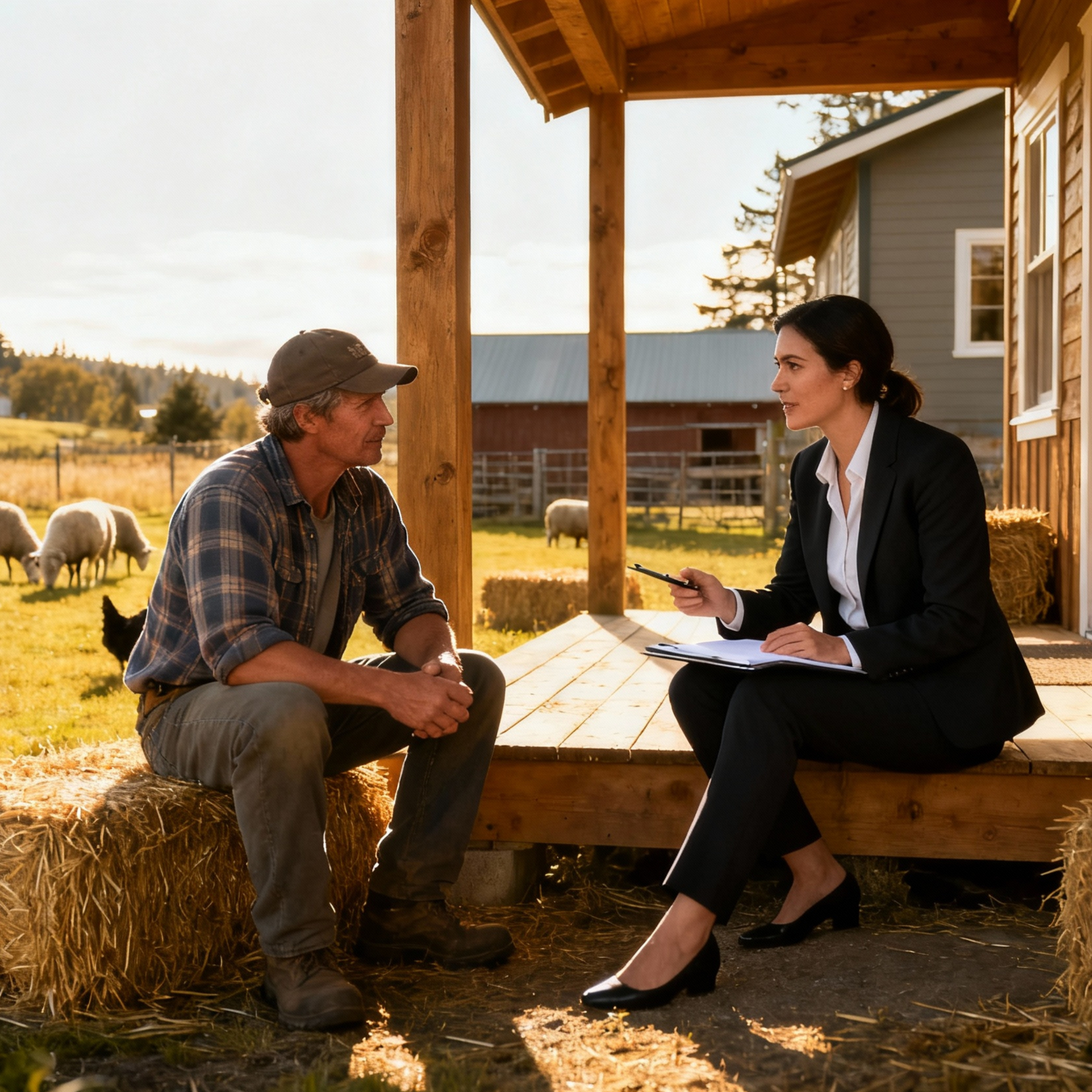
Securing hobby farm financing on Vancouver Island requires navigating distinct lending pathways differing significantly from traditional residential mortgage processes, as agricultural properties demand specialized lenders understanding farming operations, land productivity, and income generation potential beyond standard qualification metrics.
Traditional banks often hesitate financing rural properties, hobby farms, or agricultural operations due to perceived higher risk, irregular income patterns, and unfamiliarity with farm-based financial structures requiring customized lending approaches. Hobby farm buyers benefit from understanding specialized agricultural lenders, government programs, and financing strategies designed specifically for rural agricultural properties supporting lifestyle farming and small-scale production operations.
Understanding financing options, qualification requirements, and strategic preparation dramatically improves approval probability and negotiation leverage for favorable loan terms aligned with specific property characteristics and agricultural business plans. This supporting blog outlines essential steps securing hobby farm financing on Vancouver Island, ensuring prepared buyers confidently navigate lending landscapes toward successful property acquisitions.
Key Takeaways
- Farm Credit Canada (FCC) and agricultural-focused lenders offer specialized financing explicitly designed for farm purchases and agricultural operations on favorable terms.
- Down payments for agricultural properties typically range 20–35%, substantially higher than residential mortgages requiring different savings and financial planning.
- Comprehensive business plans demonstrating farm viability, income projections, and operational strategies significantly strengthen loan applications and approval probability.
- Off-farm income documentation and personal financial strength supplement agricultural income when hobby farms alone cannot support financing qualification.
- Government agriculture programs, grants, and subsidies provide potential funding sources reducing financing burdens for qualifying agricultural operations.
Overview
Hobby farm financing represents specialized lending category serving rural property buyers combining residential living with income-generating agricultural operations or lifestyle farming without expecting substantial commercial revenues.
Hobby farm financing on Vancouver Island succeeds when built on solid business foundations, realistic financial projections, and strategic partnerships with lenders understanding agricultural contexts and operational realities.
This supporting blog explores specialized lenders, qualification pathways, and preparation strategies ensuring successful financing for hobby farm purchases aligned with personal objectives.For comprehensive rural property context, explore farms for sale on Vancouver Island , hobby farms for sale in Cowichan Valley , and rural property financing guides providing broader investment and operational perspectives.
| Lender Type | Down Payment | Rates | Specialization |
|---|---|---|---|
| Farm Credit Canada (FCC) | 20–25% | Prime +0.5–1.5% | Agricultural operations |
| Traditional Banks | 25–35% | Prime +1.0–2.0% | Limited farm experience |
| Credit Unions (Ag-focused) | 20–30% | Prime +0.75–1.5% | Regional agricultural communities |
| Private Lenders | 30–40% | Higher rates | Non-traditional properties |
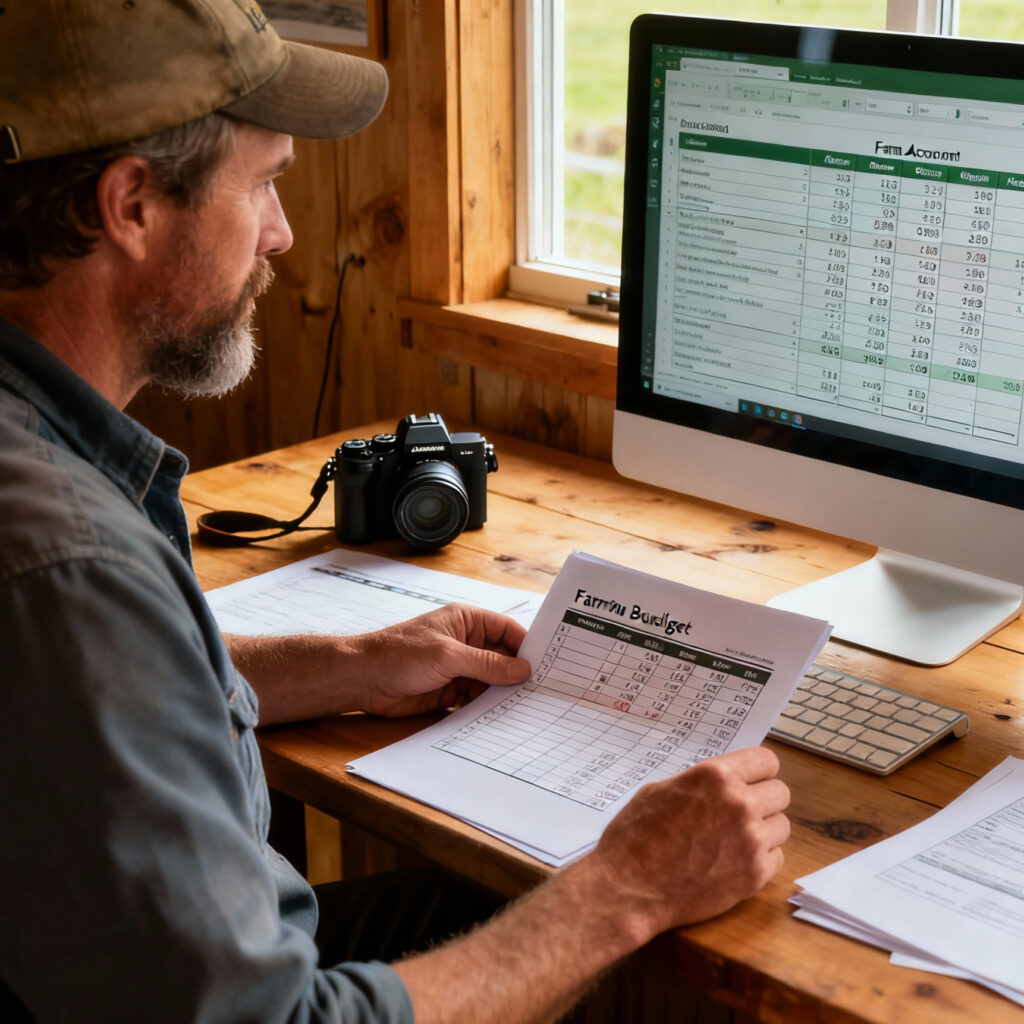
Step 1: Develop a Comprehensive Hobby Farm Business Plan
Creating Realistic Income and Operational Projections
Successful hobby farm financing begins with detailed business plans outlining agricultural operations, production expectations, market strategies, and realistic income projections demonstrating farm viability and capacity to generate revenue supporting financing obligations.
Lenders require evidence that farms can generate sufficient income (minimum $2,500–$5,000 annually for hobby farm classification) justifying specialized agricultural lending and business structure rather than standard residential financing.
Business plans should address crop selection, livestock operations, expected yields, market channels, and seasonal income patterns honestly reflecting actual operational realities without inflated projections creating credibility concerns.
Comprehensive plans demonstrate preparedness, understanding of agricultural contexts, and commitment to successful operations distinguishing serious hobby farmers from recreational property buyers claiming minimal farm activity.
Plans should address contingencies, risk mitigation strategies, and adaptive management approaches showing sophisticated planning and business discipline.
Addressing Financial Sustainability and Personal Resources
Detailed plans must acknowledge whether farms will support entire family income or represent supplemental operations requiring off-farm employment maintaining household financial stability.
Honest assessment of personal financial contributions, existing resources, and backup income sources provides realistic context for financing qualification and debt servicing capacity calculations. Lenders evaluate total household finances—considering off-farm employment income, spousal earnings, and existing assets—when hobby farm operations alone cannot justify borrowing levels.
Plans addressing personal financial strength, backup income sources, and commitment to agricultural operations demonstrate reasonable financial planning and realistic expectations about income timing and operational cash flow dynamics.
Step 2: Partner With Specialized Agricultural Lenders
Farm Credit Canada (FCC) Advantages
Farm Credit Canada represents primary specialized agricultural lender serving Canadian farmers with products specifically designed for farm purchases, operating loans, and equipment financing featuring favorable terms, agricultural expertise, and understanding of farming operations unavailable through traditional banks.
FCC officers understand agricultural cycles, seasonal income patterns, and farm operational realities that business-focused bank managers may underestimate or view skeptically, resulting in more favorable lending decisions and improved approval probability for qualified applicants.
FCC typically requires 20–25% down payments (lower than traditional banks demanding 25–35%), offers rates competitive with prime lending, and provides flexible terms accommodating agricultural income seasonality. Establishing relationships with FCC early in property search timelines and consulting on financing strategies before making offers strengthens positioning and ensures realistic expectations about available financing.
Regional Credit Unions and Agricultural Lenders
Many regional credit unions, particularly in agricultural communities like the Cowichan Valley or Saanich Peninsula, maintain specialized agricultural lending programs serving farm buyers with competitive rates and products designed for small-scale operations.
Credit unions often provide more flexible qualification approaches and relationship-based lending considering personal circumstances and local agricultural contexts beyond rigid algorithm-based assessments.
Research regional credit unions’ agricultural programs, meet with loan officers, and explore whether institutions provide better terms or more favorable qualification criteria than national banks or FCC.
Step 3: Prepare Strong Documentation and Financial Records
Personal Financial Documentation
Lenders require comprehensive personal financial documentation including three years of personal tax returns, employment letters confirming income stability, bank statements demonstrating financial responsibility and down payment source verification, and credit reports revealing credit history and debt management patterns.
Organized documentation speeds application processing, demonstrates financial competence, and builds lender confidence in applicants’ capacity to manage farm operations and financial obligations.
Address any credit deficiencies, outstanding debts, or financial irregularities proactively with lender explanations before formal applications, preventing surprise rejections based on incomplete or misunderstood financial information.
Business Planning Documentation
Beyond business plans, provide detailed agricultural budgets specifying startup costs, equipment needs, annual operating expenses, and realistic revenue projections based on crop yields, livestock productivity, or market expectations for planned operations.
Supporting documentation—market research, agricultural extension publications, comparable farm financial data—strengthens projections’ credibility and demonstrates realistic planning rather than optimistic assumptions. For guidance on comprehensive planning, explore buying rural land Vancouver Island and rural property financing resources.
Step 4: Explore Government Programs and Agricultural Grants
Provincial and Federal Support Programs
BC Agriculture and Agri-Food ministry administers grant programs, agricultural development funding, and financing support for beginning farmers and agricultural operations meeting specified criteria.
These programs may provide down payment assistance, below-market interest rates, or direct funding reducing reliance on conventional financing and improving financial viability. Research current programs through provincial agriculture ministry websites, agricultural associations, and regional development organizations identifying available support.
Beginning Farmer Programs and Agricultural Organizations
Provincial beginning farmer initiatives provide financing support, mentorship, and educational resources specifically designed for new entrants to agriculture seeking startup financing and operational guidance.
Organizations like the Canadian Federation of Agriculture maintain resources, networks, and information about government programs supporting new farmers in specific regions.
Ready to navigate hobby farm financing on Vancouver Island and secure funding for agricultural property purchases aligned with your farming vision?
Contact Andrew Hrushowy at 755 Humboldt St, Victoria, BC V8W 1B1, or call (250) 383-1500 for expert guidance connecting with agricultural lenders and optimizing financing strategies. Andrew’s experience with hobby farms for sale in Cowichan Valle y,
farms for sale on Vancouver Island , and rural property financing ensures comprehensive support throughout acquisition processes.
FAQs
Q: What down payment percentage do agricultural lenders typically require for hobby farms?
A: Farm Credit Canada generally requires 20–25% down, while traditional banks typically demand 25–35%, with terms varying based on property characteristics and borrower financial strength.
Q: Can I qualify for hobby farm financing with minimal agricultural experience?
A: Yes, with solid business plans, realistic projections, strong personal financials, and agricultural education or mentorship, lenders approve applications from experienced managers new to farming operations.
Q: Do I need established farm income to qualify for agricultural financing?
A: New farms typically qualify through business plans and off-farm income documentation, though established income history strengthens applications and improves approval probability.
Q: What role do government agricultural programs play in farm financing?
A: Provincial and federal programs provide grants, below-market loans, and down payment assistance reducing conventional financing needs for qualifying beginning farmers meeting program criteria.
Q: How important is the business plan for hobby farm financing approval?
A: Business plans prove critical—detailed, realistic plans demonstrate preparedness and agricultural knowledge significantly improving approval probability and lending terms compared to vague applicants.
Conclusion
Hobby farm financing on Vancouver Island succeeds through strategic planning, specialized lender partnerships, comprehensive documentation, and realistic business planning demonstrating viability and commitment to agricultural operations.
By developing solid business foundations, partnering with agricultural lenders understanding farming contexts, and exploring government support programs, hobby farm buyers dramatically improve financing success probability and secure favorable terms aligned with personal financial situations.
Professional guidance from agricultural lenders, business advisors, and experienced mentors transforms financing challenges into manageable processes supporting successful property acquisitions and sustainable hobby farm operations delivering lifestyle satisfaction alongside realistic financial management.