
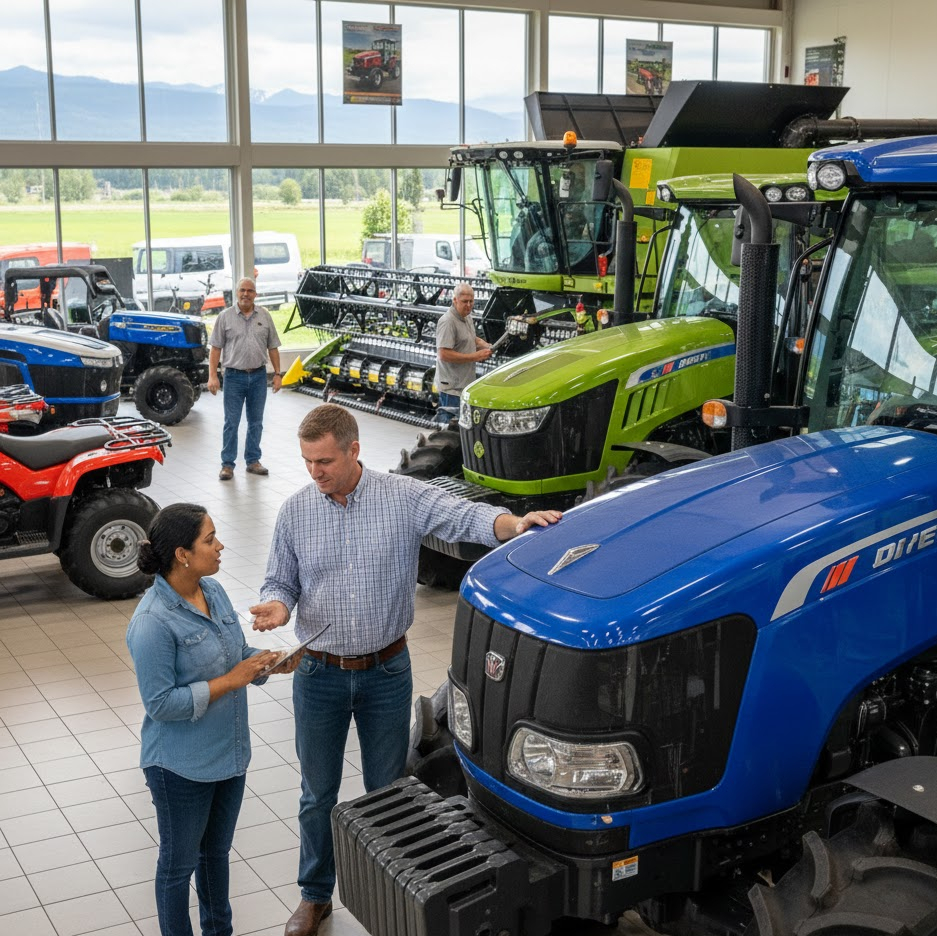
Selecting reliable farm equipment suppliers in BC represents one of the most consequential decisions agricultural operators make, directly affecting operational efficiency, maintenance costs, equipment longevity, and farm profitability. Inadequate supplier vetting leads to poor equipment quality, unreliable parts availability, deficient after-sales support, and eventual equipment failures devastating farm operations during critical growing seasons or production periods.
Conversely, partnerships with reputable, well-established suppliers provide access to quality machinery, dependable service networks, competitive pricing, and expert guidance supporting farm success and operational confidence.
This guide provides comprehensive frameworks for evaluating farm equipment suppliers, assessing credibility and reliability, and establishing partnerships that support long-term agricultural productivity and financial success. Whether sourcing equipment for established operations or startup ventures, strategic supplier selection transforms equipment acquisition from risky transaction into foundational business relationship.
Key Takeaways
- Supplier reputation, industry standing, and customer references provide essential credibility indicators surpassing pricing alone as selection criteria.
- Warranty terms, after-sales support capacity, parts availability, and service response times fundamentally affect total equipment ownership costs and operational reliability.
- BC-based suppliers with established service networks, local technical expertise, and community presence provide advantages over mail-order or distant vendors.
- Requesting equipment demonstrations, conducting field trials, and comparing multiple suppliers enables informed decision-making aligning selections with specific operational needs.
- Transparent pricing, financing options, and written agreements protect farmer interests and establish clear expectations preventing post-purchase conflicts.
Overview
Farm equipment suppliers vary dramatically in reliability, quality standards, service capacity, and customer commitment. Farm equipment suppliers in BC range from well-established full-service dealerships maintaining service centers and parts inventory through regional dealers and international mail-order vendors offering limited post-sale support. Understanding supplier categories, evaluating critical evaluation criteria, and investing time in comprehensive vetting processes prevent costly mistakes and establish partnerships supporting farm success for years. For comprehensive farm startup and equipment planning guidance, explore our detailed Pillar Blog on farm startup planning covering broader operational and business foundations.
| Evaluation Criterion | Why It Matters | Assessment Methods |
|---|---|---|
| Reputation & Track Record | Predicts reliability, quality, customer service | Customer references, industry awards, longevity |
| Service Network & Response | Affects downtime, repair costs, farm continuity | Service center locations, response time guarantees |
| Parts Availability | Determines repair speed and total cost of ownership | Parts inventory verification, supply chain documentation |
| Warranty & Support Terms | Protects investment, defines support duration | Written warranty documents, support period clarity |
| Pricing & Financing | Affects capital requirements and cash flow | Price comparisons, financing terms, transparency |
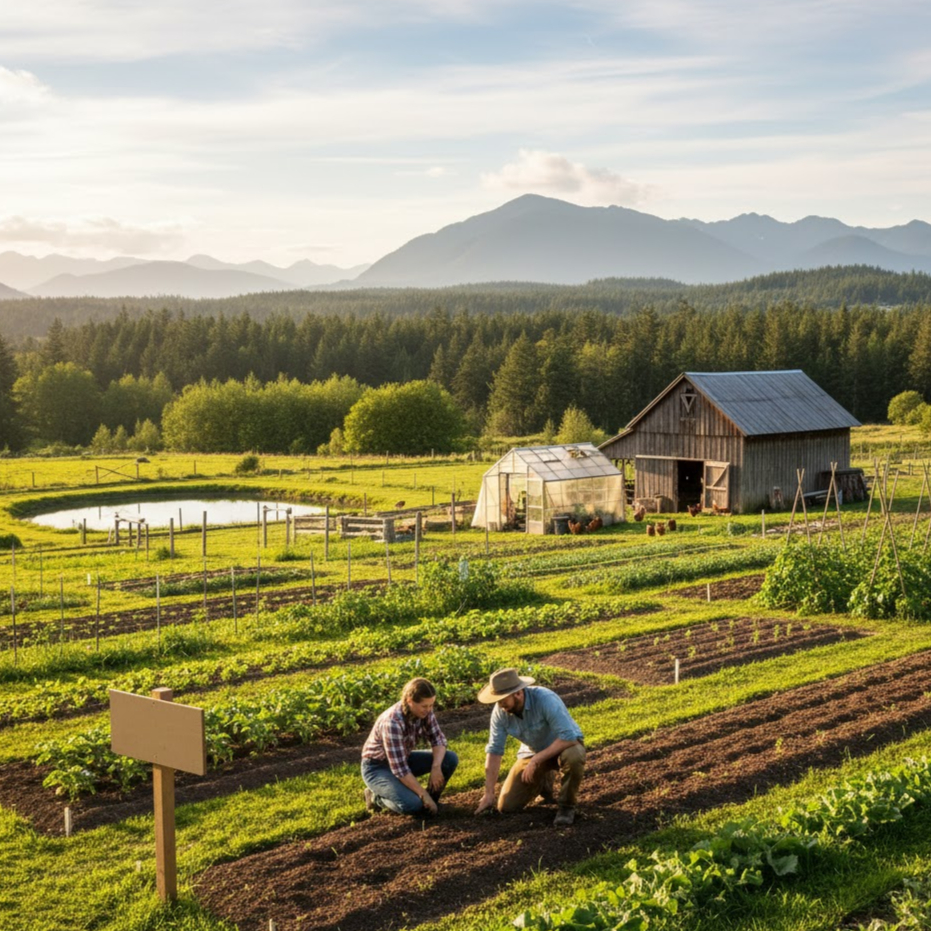
Assessing Supplier Credibility and Reputation
Research Industry Standing and Track Record
Credible suppliers demonstrate longevity in agricultural equipment markets, positive customer testimonials, industry recognition, and community respect built through consistent quality and reliable service. Long-established suppliers with 20+ years operational history generally provide greater reliability than newer ventures lacking operational experience through industry cycles. Request supplier history information, including founding dates, organizational evolution, and any significant business transitions providing context for current operations.
Check industry databases, agricultural association memberships, and professional certifications indicating commitment to quality standards and ethical practices. BC-based suppliers with established dealership relationships with major equipment manufacturers (Kubota, John Deere, Case IH, New Holland) provide advantages through manufacturer support networks and technical training ensuring service quality.
Gather Customer References and Field Testimonies
Request contact information from existing customers operating similar equipment or farm types. Direct conversations with experienced users provide invaluable insights into equipment quality, supplier responsiveness, and realistic total ownership costs. Ask specific questions about breakdown frequency, repair response times, parts availability, technician competence, and whether customers would recommend the supplier for future purchases.
Connect with local agricultural associations, farmers markets, and regional extension services identifying widely-respected suppliers with strong community reputations. Trusted advisors and experienced farmers provide honest assessments based on years of direct experience often revealing patterns invisible in formal marketing materials.
Evaluating Service Infrastructure and Support Capacity
Confirm Service Center Locations and Coverage
Suppliers with multiple BC locations, mobile service vehicles, and responsive repair teams provide operational advantages reducing equipment downtime during critical periods. Request documentation of service center locations, service vehicle availability, and emergency response protocols. Suppliers serving primarily mail-order customers without service capacity create scenarios where distant repairs consume weeks of downtime and substantial transportation costs.
For Vancouver Island operations, prioritize suppliers with established Island service capacity or documented commitments to responsive local repair support. Geographic proximity directly affects repair speed, cost, and farm operational continuity during equipment failures.
Assess Warranty Coverage and Support Terms
Detailed warranty documentation specifying coverage duration, included services, excluded items, and support procedures prevents misunderstandings about post-purchase support. Reputable suppliers provide written warranties clearly outlining protection scope, failure reporting procedures, and service prioritization. Warranties requiring customers to transport equipment to distant service centers, excluding labor costs, or imposing strict time limitations often provide minimal practical protection.
Request comprehensive warranty documentation before purchase and clarify any ambiguities through written communication. Superior suppliers offer extended coverage, in-field service options, and customer-friendly warranty administration supporting long-term satisfaction.
Verifying Parts Availability and Supply Chain
Confirm Parts Inventory and Sourcing
Request documentation of parts inventory maintained locally, regional parts warehouses, and manufacturer supply chain relationships ensuring parts availability for equipment repairs. Suppliers maintaining substantial parts inventory provide faster repair turnaround than vendors requiring weeks for parts shipment from distant distributors. Understanding parts availability for both routine maintenance items (filters, belts, bearings) and major components (engines, transmissions) prevents operational emergencies when critical parts become unavailable.
Ask specific questions about parts procurement procedures, typical delivery timelines, and contingency arrangements for discontinued or obsolete equipment. Superior suppliers maintain long-term parts availability supporting equipment operation well beyond typical replacement cycles.
Evaluate Used Equipment and Rebuild Services
Some suppliers maintain used equipment inventory and rebuild services offering cost-effective options for budget-conscious farmers. Request information about inspection procedures, rebuild standards, and warranty coverage on pre-owned equipment. Quality suppliers provide transparent information about used equipment history, mechanical condition, and realistic expected service life supporting informed purchasing decisions.For guidance on selecting equipment aligned with farm types and production goals, explore our small farm startup guide resource.
Comparing Pricing and Financing Options
Request Competitive Quotes and Transparent Pricing
Obtain detailed quotes from multiple suppliers specifying equipment specifications, included services, delivery, installation, training, and warranty terms. Lowest pricing should not override quality, service, or reliability concerns; however, significant price disparities warrant investigation understanding cost differences. Reputable suppliers provide transparent pricing without hidden fees, clearly documenting all costs enabling accurate total ownership calculations.
Evaluate Financing Arrangements
Suppliers offering flexible financing options, equipment leasing, or partnerships with agricultural lenders provide advantages reducing upfront capital requirements. Compare financing terms including interest rates, payment schedules, and refinancing flexibility. Farm Credit Canada partnerships indicate supplier experience serving agricultural clients and demonstrated reliability recognized by specialized agricultural lenders.
Testing Equipment and Requesting Demonstrations
Participate in Equipment Demonstrations and Trials
Request field demonstrations allowing hands-on equipment operation and practical performance evaluation. Demonstrations reveal equipment practicality, ease of use, and suitability for specific farm conditions surpassing theoretical specifications. Test multiple equipment models and compare performance under realistic operating conditions aligned with planned operations.
Request Trial Periods or Rental Options
Some suppliers offer equipment rental, trial leasing, or short-term access enabling extended testing before purchase commitment. Trial periods eliminate purchase commitment uncertainty, provide realistic operational data supporting final decisions, and demonstrate supplier confidence in equipment quality. Farmers gaining weeks of practical experience make more informed purchasing decisions than those relying on one-time demonstrations.
Establishing Supplier Partnerships
Create Written Agreements Protecting Interests
Document all purchase terms, warranty coverage, service agreements, parts availability commitments, and dispute resolution procedures in written agreements. Written documentation prevents misunderstandings about post-purchase support, clarifies expectations, and provides recourse if suppliers fail to deliver promised services. Professional suppliers willingly provide comprehensive written agreements demonstrating transparent business practices.
Maintain Ongoing Communication
Establish regular communication channels with supplier representatives ensuring questions receive prompt responses and concerns get addressed proactively. Strong relationships with knowledgeable supplier staff provide ongoing benefits including equipment optimization advice, new technology updates, and preferential service treatment during peak seasons. For equipment sourcing and operational guidance, explore our farms for sale on Vancouver Island and hobby farms for sale in Cowichan Valley resources providing community context.
Ready to identify and partner with farm equipment suppliers in BC aligned with operational needs and service quality expectations? Contact Andrew Hrushowy at 755 Humboldt St, Victoria, BC V8W 1B1 or call (250) 383-1500 for expert guidance evaluating supplier options, connecting with reputable dealers, and establishing partnerships supporting farm success. For comprehensive equipment planning and farm startup guidance, explore our small farm startup guide on Vancouver Island and agricultural land resources providing operational context and strategic planning support.
FAQs
Q: What makes a farm equipment supplier trustworthy?
A: Long operational history, positive customer references, established service networks, transparent pricing, comprehensive warranties, and demonstrated community respect indicate supplier reliability.
Q: Should I always choose the cheapest supplier?
A: No—lowest pricing often reflects reduced service, limited warranty, or poor support quality. Prioritize value (quality + service + support) over price alone.
Q: How important is local service availability?
A: Critical—suppliers with nearby service centers provide faster repairs, lower transportation costs, and better emergency response protecting farm operations during critical periods.
Q: What warranty coverage should I expect?
A: Reputable suppliers offer 1–3 year warranties covering defects and parts, with in-field service options and clear procedures preventing customer frustration.
Q: Can I request equipment demonstrations before purchase?
A: Absolutely—quality suppliers enthusiastically provide demonstrations and field trials enabling informed purchasing decisions and practical equipment evaluation.
Q: What should I ask existing customers about suppliers?
A: Ask about breakdown frequency, repair response times, parts availability, technician competence, pricing fairness, and overall satisfaction with post-purchase support.
Conclusion
Farm equipment suppliers in BC offering quality products, reliable service networks, comprehensive support, and transparent business practices provide invaluable partnerships supporting farm success and operational confidence. Investing time in comprehensive supplier vetting, requesting references, participating in demonstrations, and establishing written agreements protects farmer interests and ensures equipment acquisitions deliver genuine value.
Strategic supplier partnerships transform equipment ownership from risky transaction into foundational business relationship supporting long-term agricultural productivity and financial success aligned with farm visions.