

Making the leap from city living to buying a farm Vancouver Island is an exciting journey, yet it comes with its own set of unique challenges and surprises. Vancouver Island’s fertile land, natural beauty, and close-knit communities offer an incredible rural lifestyle, but new buyers must be prepared for both regulatory complexities and practical realities. This guide distills everything city buyers need to know before purchasing their dream farm on the Island.
Key Takeaways
-
Zoning laws, Agricultural Land Reserve rules, and farm tax status shape property options.
-
Wells, septic systems, and rural infrastructure differ from city utility expectations.
-
Financing for farmland demands higher down payments and robust documentation.
-
Understanding soil, climate, and crop/livestock suitability is essential.
-
Joining local networks speeds up adaptation and business growth.
Overview
Before making an offer on rural land, city buyers need to research a broad spectrum of topics: property infrastructure, financing, land-use bylaws, and farm business planning. This article details 10 essential things every city buyer should understand. For more detailed guidance, check out our Ultimate Guide to Buying Acreage on Vancouver Island.
| Topic | Why It's Critical |
|---|---|
| Zoning & ALR Status | Defines legitimate farm uses, tax eligibility, and building options |
| Water Source & Rights | Farm viability depends on well testing, water licenses, and rights verification |
| Septic Systems | Properly permitted and maintained systems are mandatory for health and financing |
| Rural Financing | Farmland requires higher down payments, detailed business plans, and lender expertise |
| Soil & Climate | Crop or livestock choices must fit local soil, rainfall, and microclimate |
| Farm Tax Status | Achieving farm status lowers property taxes but needs production minimums |
| Local Bylaws & Setbacks | Rules on animal shelter, fencing, and environmental buffers protect community values |
| Power & Access | Remote locations may require major upgrades for roads, hydro or fire services |
| Community & Networks | Local knowledge, support, and farm organizations are invaluable resources |
| Business Planning | Profitable farming is built on realistic revenue goals, expenses, marketing and compliance |
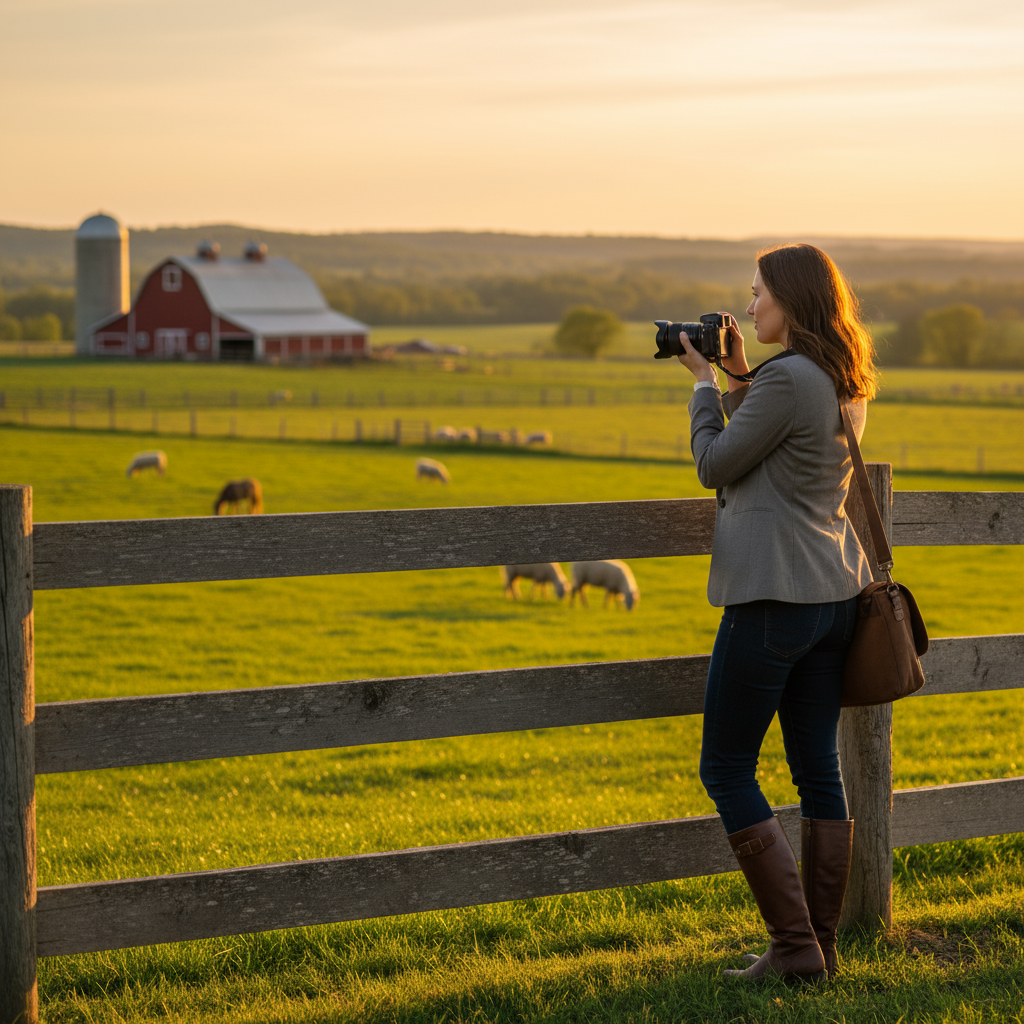
10 Things City Buyers Must Know
1. Zoning, ALR Status, and Farm Uses
Check municipal zoning maps and BC’s Agricultural Land Reserve (ALR) records before making an offer. ALR status restricts subdivision, home-building, and non-farm activities but provides valuable tax benefits if you qualify. Not all rural land is eligible for full-time farm use, so verify with the municipality and the BC Land Commission. Understanding these restrictions early prevents costly mistakes and ensures your intended farming operations align with provincial regulations and local land use policies that govern agricultural properties.
2. Securing Your Water Source
Farms require proven water—wells, water licenses, and tests for potability and quantity. City buyers must budget for new well drilling and understand rural water system maintenance. Water rights can impact crop, livestock and business expansion. Seasonal fluctuations and drought conditions can dramatically affect water availability, making it essential to verify historical water table levels and secure proper documentation for all existing water sources and rights before finalizing your purchase.
3. Septic Systems and Health Compliance
A permitted and functioning septic system is required for loan approval and property health. Insist on a recent inspection and verify permits with the local health authority before closing. Aging or improperly maintained septic systems can cost thousands to repair or replace, and failing systems may prevent you from obtaining occupancy permits or running certain farm-based businesses that require health department approval and regular monitoring.
4. Rural Financing Realities
Mortgages for Vancouver Island farmland typically require 25–35% down. Lenders expect a detailed business plan and compliance with ALR or agricultural zoning. Prepare for a longer, document-heavy approval process. Traditional urban mortgage products rarely apply to working farms, so connecting with agricultural lenders who understand farming operations and can evaluate income potential from agricultural activities becomes crucial for securing favorable financing terms and reasonable interest rates. For detailed financing guidance, review our rural property financing guide.
5. Soil Suitability and Climate
Soil tests determine which crops or livestock can thrive. Buyers from the city should review maps, ask about past yields, and talk with local experts about rainfall and microclimate variations. Vancouver Island’s diverse geography creates distinct growing zones with varying frost dates, precipitation levels, and temperature ranges that directly influence what you can successfully grow and when you can plant or harvest throughout the year. Learn more about regional farming advantages in areas like Cowichan Valley hobby farms.
6. Achieving Farm Tax Status
Lower property taxes are possible only if your farm produces above a minimum threshold. Keep proofs of sales and production for annual tax reviews. The BC Assessment Authority requires documented evidence of active farming operations, including sales receipts, production records, and land usage reports that demonstrate your property generates qualifying farm income according to established provincial standards and meets classification requirements.
7. Local Bylaws and Setbacks
Setbacks for animal shelters, composting, fencing, and watercourses ensure regulatory compliance and community harmony. Review municipal bylaws and arrange consultations as needed. Violations can result in expensive fines, mandatory structure removal, or legal disputes with neighbors, making it critical to understand buffer zone requirements, noise ordinances, waste management regulations, and environmental protection rules that govern your specific rural municipality before building or placing livestock.
8. Power and Road Access
Remote properties may not have modern roadways, hydro connections or emergency services. Upgrades can be costly; budget accordingly and inspect these before purchase. Installing new power lines, upgrading road surfaces for farm equipment, or establishing reliable internet connectivity for modern farm management systems can easily exceed tens of thousands of dollars, significantly impacting your overall investment and operational capabilities once you take ownership of the property.
9. Building Your Farm Community
Engage with local farm organizations, cooperatives, and neighbors to learn best practices and tap into support networks. Experienced farmers offer invaluable mentorship about region-specific challenges, equipment sharing opportunities, bulk purchasing arrangements, marketing channels, and seasonal labor resources that can dramatically reduce your learning curve and help you avoid common mistakes that new farmers typically make during their first years. Explore supportive rural communities on Vancouver Island to find the right fit.
10. Realistic Farm Business Planning
Draft a business plan forecast covering startup costs, potential income, available grants, and compliance steps. Seek help from agencies and experienced mentors for new ventures. Successful farming requires understanding market demand, production timelines, labor requirements, equipment investments, and realistic revenue projections that account for crop failures, market fluctuations, and unexpected expenses that inevitably arise when transitioning from city living to full-time agricultural operations on Vancouver Island.
Before moving from the city and buying a farm Vancouver Island, reach out to Andrew Hrushowy at 755 Humboldt St, Victoria, BC V8W 1B1 or (250) 383-1500 for strategic advice and local expertise. For a full road map from first viewing to closing, visit the Ultimate Guide to Buying Acreage on Vancouver Island.
Common Questions About buying a farm Vancouver Island
Q: How do I know if a property qualifies for full farm status?
A: Confirm ALR status and municipal zoning; a minimum production requirement must be met for farm tax exemptions.
Q: Is farm financing different from buying a house?
A: Yes, lenders require higher down payment, farm business plan, and proof of income—approvals can take longer.
Q: What inspections do I need before purchasing a farm?
A: Septic, well, environmental, and soil tests are all recommended to confirm system functionality and suitability.
Q: Can I subdivide my new farm?
A: ALR properties have strict subdivision rules—often requiring Land Commission review and approval.
Q: Are grants available for first-time farm buyers?
A: Yes, programs from Farm Credit Canada and BC government support new farms and business startups.
Q: Can I build a second dwelling on farm land?
A: Only with approval and compliant land use per local zoning and ALR rules.
Q: How do I connect with local farm organizations?
A: Attend meetings, join cooperatives, and participate in community events for networking and education.
Q: Are water rights included with farm purchases?
A: Buyers should verify if water licenses and rights transfer, and arrange for upgrades if needed.
Q: What recordkeeping do I need for farm tax status?
A: Maintain sales receipts, production records, and formally apply each year to keep benefits.
Q: What is the biggest surprise for city buyers?
A: Most underestimate the time, cost, and learning curve—community support and research are key for a successful transition.
Conclusion
Buying a farm Vancouver Island is a rewarding venture that requires preparation, due diligence, and support. By considering these 10 factors, city buyers can move ahead with confidence and build a flourishing rural lifestyle. The transition from urban living to farm ownership represents more than just a change of address—it’s a complete lifestyle transformation that offers fresh air, open spaces, and the satisfaction of working the land. With careful planning, realistic expectations, and the right guidance, your dream of rural living can become a sustainable and fulfilling reality that benefits both you and your family for generations to come.