
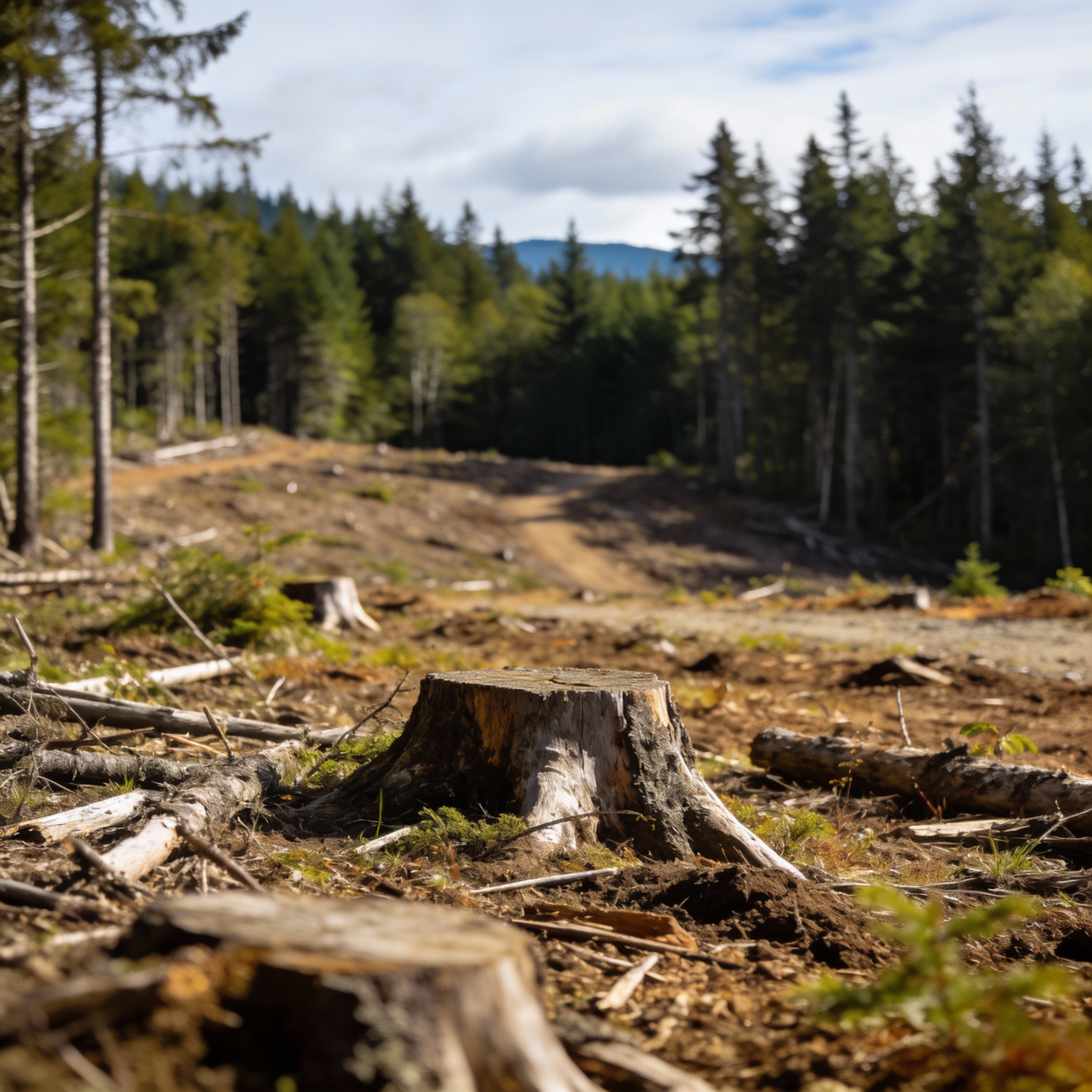
Vancouver Island real estate comparison between raw land and existing homes represents fundamental decision impacting investment strategy, lifestyle positioning, and long-term financial outcomes. Buyers considering Vancouver Island real estate face distinct proposition: purchasing established homes (immediate occupancy, existing infrastructure, financing accessibility) versus raw land (future development potential, appreciation opportunities, long-term flexibility).
Real estate expert Andrew Hrushowy emphasizes that Vancouver Island real estate comparison requires understanding fundamental differences: land pricing ($20-$200+ per square foot depending on location), financing complexity (higher down payments, stricter lending), infrastructure costs (well/septic installation $10K-$50K+), zoning restrictions (agricultural land reserve limitations), versus home advantages (move-in readiness, established utilities, conventional financing, lower barriers to entry).
This comprehensive guide addresses land versus home positioning, financial implications, lifestyle considerations, risk factors, and strategic selection frameworks enabling confident purchasing decisions aligned with personal objectives and financial capacity.
Understanding land versus home positioning—infrastructure costs, financing challenges, appreciation potential, lifestyle flexibility—enables strategic decision-making aligned with personal objectives and financial capacity.
Key Takeaways
- Pricing Advantage: Raw Land: Vacant land typically 30-60% less expensive than developed homes on equivalent acreage; entry-level land ($50K-$150K typical) versus finished homes ($600K-$1.2M+); lower upfront capital required for acquisition.
- Financing Complexity: Land Disadvantage: Raw land financing requires 35-50% down payments (versus 20% for homes), higher interest rates, stricter lending terms, longer approval timelines; lenders view land as higher-risk investment lacking income-generation capability.
- Infrastructure Costs: Significant Hidden Expenses: Well/septic systems ($10K-$50K+), electrical connections, road development, utility line extensions creating $25K-$100K+ hidden costs; budgeting for development pre-acquisition essential.
- Zoning and Regulatory Restrictions: Agricultural Land Reserve limitations, municipal zoning bylaws affecting permitted uses; land research mandatory confirming intended use feasibility before acquisition.
- Andrew Hrushowy recommends homes for primary residence/immediate occupancy; land for long-term investors, hobby farmers, custom builders with financial capacity and development tolerance; hybrid approach (purchasing home with development-ready land) balancing positioning.
Overview
Vancouver Island real estate comparison between land and homes requires sophisticated analysis spanning financial, regulatory, lifestyle, and strategic dimensions. Andrew Hrushowy identifies that neither positioning universally superior; decision depends on personal objectives, financial capacity, timeline, development tolerance, and investment philosophy. This supporting blog synthesizes comprehensive comparison addressing financial implications, regulatory complexity, lifestyle positioning, risk factors, and strategic selection frameworks enabling confident purchasing decisions aligned with diverse objectives.
For comprehensive Vancouver Island property guidance, explore our Vancouver Island Real Estate Market Guide, February 2026 Farms for Sale Vancouver Island, and acreages for sale Cowichan Valley guides.
| Comparison Factor | Raw Land | Established Home | Advantage |
|---|---|---|---|
| Purchase Price (2 acres) | $100K–$300K | $600K–$1.2M+ | Land (lower entry cost) |
| Down Payment Required | 35–50% | 15–20% | Home (easier financing) |
| Infrastructure Costs | $25K–$100K+ (well, septic, utilities) | Minimal (existing systems) | Home (existing infrastructure) |
| Development Timeline | 6–24+ months | Immediate occupancy | Home (instant use) |
| Zoning Complexity | ALR restrictions, variance requirements | Pre-established use | Home (clarity) |
| Maintenance/Holding Costs | Property tax, insurance minimal | Utilities, repairs, maintenance substantial | Land (lower holding costs) |
| Appreciation Potential | 2–5% annually (location dependent) | 1–3% annually (aging impact) | Land (development premium potential) |
| Income Generation | None (speculation only) | Rental income possible | Home (immediate cash flow) |
| Lender Willingness | Challenging (higher risk perception) | Standard (conventional financing) | Home (accessible financing) |
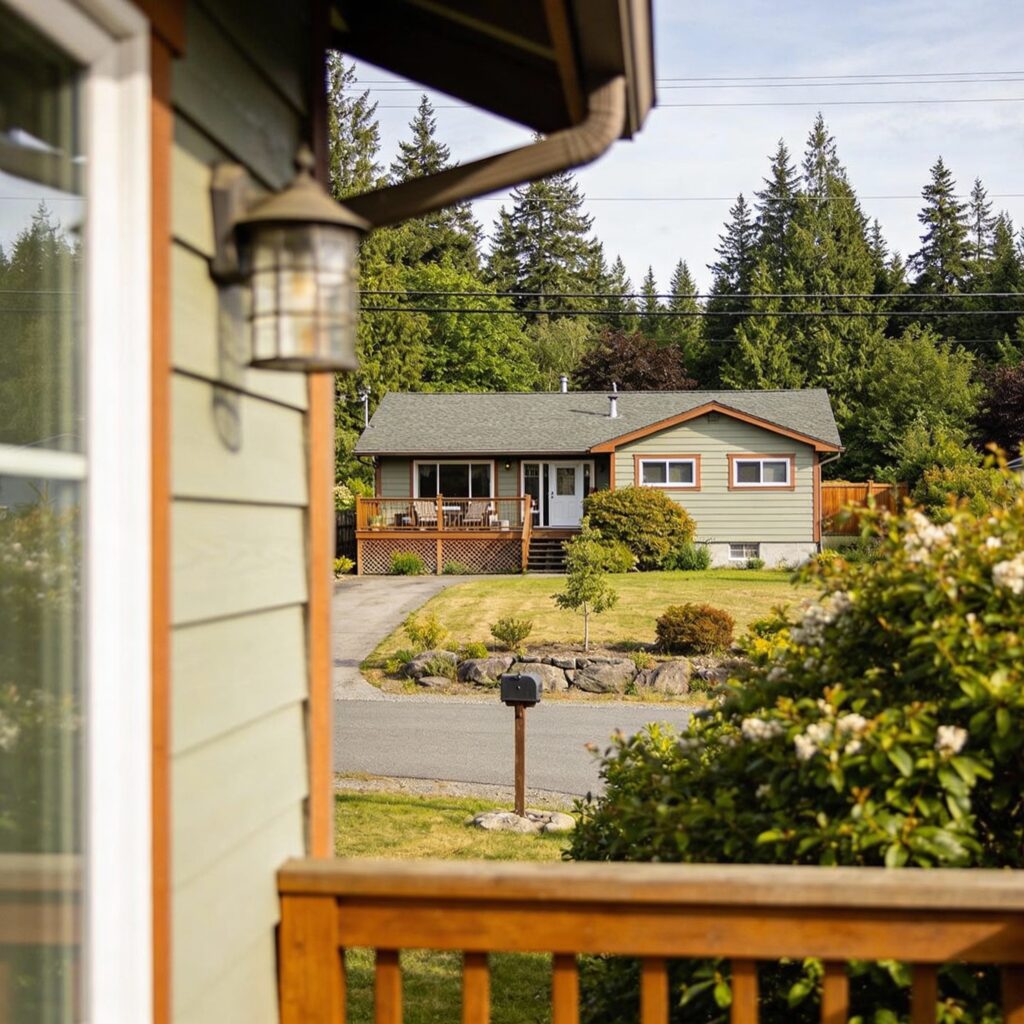
Land Ownership: Comprehensive Advantages
Acquisition Cost Advantage
Raw land pricing dramatically lower than developed properties: Greater Victoria land averaging $50-$200+ per square foot depending on location, zoning, view positioning; equivalent finished homes commanding $500K-$2M+ requiring 5-10x acquisition capital.
Land Pricing Examples (2 acres, typical locations):
Urban Core (Victoria, Oak Bay): $200K-$500K (lot variations); $120-$200+ per sq ft
Suburban (Saanich, Langford): $120K-$300K typical; $60-$130 per sq ft
Rural Saanich Peninsula: $80K-$200K typical; $50-$120 per sq ft
Coastal (Sooke, Sidney): $60K-$150K typical; $40-$90 per sq ft
Equivalent Established Homes: $800K-$1.5M+ requiring substantially larger acquisition capital.
Financial Advantage: Lower acquisition costs enable first-time investors, modest-income buyers, multiple-property acquisitions accessing real estate markets with reduced capital requirements.
Long-Term Appreciation Potential
Raw land experiencing 2-5% annual appreciation (location dependent); development-ready properties potentially commanding 50-100%+ premiums versus comparable undeveloped land reflecting improvement value addition.
Appreciation Drivers:
Population Growth: Vancouver Island population growth (+1% annually) supporting land appreciation; Sidney, North Saanich experiencing 2-3%+ assessed value growth.
Development Feasibility: Land rezoning from rural/agricultural to residential or commercial can trigger dramatic appreciation; $100K rural property converting to residential potentially $200K-$400K+ within 1-2 years.
Infrastructure Development: Regional highway upgrades, utility expansions creating investment opportunities; locations anticipated infrastructure improvements showing enhanced appreciation.
Limited Supply Scarcity: Agricultural Land Reserve restrictions limiting future supply; constrained supply supporting long-term appreciation dynamics.
Customization and Development Control
Raw land enables complete customization: building design, orientation, landscaping, infrastructure, property improvements developed according to personal vision without constraints of existing structures.
Customization Benefits:
Custom Home Design: Building custom home incorporating specific architectural preferences, energy efficiency, lifestyle features unavailable in existing homes.
Hobby Farm/Agricultural Operations: Developing agricultural infrastructure, pasture systems, barn facilities customized for specific livestock/crop operations.
Multi-Use Development: Creating mixed-use properties (residence + income-generating components) or hobby farm + residential positioning.
Environmental Integration: Designing sustainable systems (rainwater harvesting, solar, composting) aligned with environmental values.
Tax and Holding Advantages
Undeveloped land experiencing lower annual holding costs: property tax modest (rural land typically $500-$2,000+ annually versus developed home $3,000-$5,000+), minimal insurance, no maintenance obligations.
Holding Cost Advantage:
Property Tax: Raw land $500-$2,000 annually typical (rural locations); developed homes $3,000-$5,000+ annually.
Insurance: Land-only insurance minimal ($100-$300 annually); residential home insurance $1,000-$2,000+ annually.
Maintenance: Zero maintenance obligations (no repairs, utilities, upkeep); developed properties requiring ongoing maintenance costs.
Capital Gains Treatment: Land appreciation subject to capital gains taxation (50-66.67% inclusion); however, principal residence exemption unavailable—investment positioning only.
Land Ownership: Significant Disadvantages
Financing Complexity and Access Limitations
Land financing substantially more difficult than residential mortgages: lenders view raw land as speculative investment lacking income-generation, collateral security; resulting in 35-50% down payment requirements, higher interest rates, shorter amortization periods.
Land Financing Challenges:
Down Payment Requirements: 35-50% down payments typical versus 15-20% for homes; $100K land requiring $35K-$50K capital versus $600K home requiring $90K-$120K.
Loan Availability: Traditional bank/credit union financing limited for raw land; private lending, specialized agricultural lenders, or equity partnerships often required.
Interest Rates: Land mortgages 0.5-1.5% higher than residential rates; 5-year variable 4.9% versus 3.4% residential typical.
Amortization Constraints: Shorter amortization periods (5-10 years typical) versus 25-year residential standard; resulting in higher monthly payments.
Approval Timelines: Land lending approval 2-3x longer than residential; 4-8 week timelines typical versus 2-3 weeks residential.
Professional Guidance: Land financing requiring specialized expertise; agricultural lenders, private mortgage brokers often necessary adding $1,000-$3,000+ professional fees.
Infrastructure Development Costs
Infrastructure development representing hidden expense bomb: utilities, well/septic systems, electrical connections, road development potentially $25K-$100K+ substantially increasing true acquisition costs.
Infrastructure Cost Examples (2 acres):
Well Drilling: $3,000-$8,000 typical (can reach $15,000+ if deep drilling required)
Septic System: $5,000-$15,000+ depending on soil conditions, system type
Electrical Connection: $500-$5,000 depending on distance to existing grid
Driveway Development: $2,000-$10,000 depending on length, grading requirements
Utility Line Extensions: $5,000-$30,000+ if extensions required
Road/Access Development: $10,000-$50,000+ for undeveloped properties requiring road creation
Total Infrastructure: $25K-$100K+ typical creating true acquisition cost $125K-$400K for “affordable” $100K land acquisition
Planning Imperative: Pre-acquisition infrastructure assessment mandatory; surprising hidden costs frequently derailing projects post-purchase.
Regulatory Complexity and Restrictions
Land development subject to extensive regulatory requirements: Agricultural Land Reserve (ALR) restrictions, municipal zoning bylaws, environmental regulations, building code constraints potentially prohibiting intended uses.
Regulatory Complexity Examples:
Agricultural Land Reserve: ALR-designated properties restricted to agricultural uses; residential development often prohibited or severely limited; exemption applications expensive, time-consuming.
Zoning Bylaws: Local bylaws specifying permitted uses, minimum lot sizes, building setbacks, height restrictions; proposed use potentially conflicting with zoning prohibiting development.
Environmental Restrictions: Environmentally sensitive areas, protected wildlife habitats, riparian setbacks potentially prohibiting development; remediation requirements adding $10K-$50K+ costs.
Variance/Rezoning Requirements: Non-conforming uses requiring municipal variance (expensive legal process) or rezoning (multi-year process requiring municipal approval).
Building Permits: Development permits potentially denied or delayed if environmental concerns, neighbor opposition, or regulatory conflicts exist.
Professional Expertise: Regulatory navigation requiring lawyer expertise, environmental assessment, surveying services adding $3,000-$15,000+ costs pre-development.
No Immediate Utility or Income Generation
Raw land producing zero income, providing zero utility until developed: purely speculative investment without cash flow, housing benefit, or practical use until infrastructure, permits, development completed.
Immediate Disadvantages:
Zero Income: Land generates no rental income, no agricultural production income, no commercial revenue until developed/improved.
No Housing Benefit: Land unsuitable for living until developed; acquisition not replacing housing need or providing occupancy benefit.
Carrying Costs: Property tax, insurance, maintenance obligations continuing indefinitely without offsetting income or benefit.
Holding Period Uncertainty: Development timelines highly uncertain; anticipated 12-month development potentially extending 24-36+ months through permitting delays, financing complications, weather challenges.
Speculative Nature: Land value dependent on future development potential and buyer willingness; appreciation not guaranteed; oversupply potentially creating value erosion.
Extended Development Timeline
Land development projects typically requiring 6-24+ months from purchase to occupancy/income generation; extended timeline creating financial strain, opportunity costs, complexity.
Typical Development Timeline:
Months 1-3: Infrastructure assessment, feasibility studies, regulatory confirmation, financing finalization
Months 3-6: Permit applications, environmental assessments, design finalization
Months 6-12: Permit approvals, infrastructure development, utility connections
Months 12-18: Building construction (for residential), final approvals, occupancy
Timeline Risks: Weather delays, permitting complications, environmental issues, financing challenges frequently extending timelines 3-6+ months.
Home Ownership: Comprehensive Advantages
Immediate Occupancy and Utility
Established homes providing immediate occupancy, eliminating extended development timelines, financing complications, and providing immediate housing benefit or income generation.
Immediate Advantages:
Move-In Ready: Established homes providing immediate housing access; no development delays, no infrastructure complications.
Rental Income Potential: Acquired properties potentially generating immediate monthly rental income, offsetting mortgage costs.
Housing Benefit: Primary residence acquisition providing immediate lifestyle improvement, community integration, sense of place.
Operational Certainty: Established utilities, confirmed infrastructure, tested systems eliminating hidden cost surprises.
Straightforward Financing Accessibility
Established homes accessing conventional financing: 15-20% down payment requirements, standard interest rates, 25-year amortization enabling accessible financing for broad buyer population.
Financing Advantages:
Down Payment: 15-20%: versus land 35-50%; $600K home requiring $90K-$120K versus land requiring $35K-$50K.
Interest Rates: Residential mortgages 3.4-4.5% range (January 2026) versus land 4.9-6%+.
Amortization: 25 years: Standard amortization enabling manageable monthly payments versus 5-10 year land amortization.
Lender Accessibility: Traditional banks, credit unions, mainstream lenders readily financing homes; private lending, specialized agricultural lenders unnecessary.
Approval Timeline: 2-3 weeks: Standard residential lending process; pre-approval typically obtained within days enabling swift offer positioning.
Established Infrastructure
Homes featuring established infrastructure: working utilities, water/sewage systems, electrical service, road access eliminating $25K-$100K+ hidden infrastructure costs typical for land.
Infrastructure Benefits:
Well/Water System: Established, tested, functioning systems versus uncertain future cost for land.
Septic/Sewer: Operational systems versus potential $5K-$15K+ investment for land septic installation.
Electrical: Connected grid service versus $500-$5,000 connection cost and infrastructure assessment for land.
Roads/Access: Established road access versus potential $10K-$50K+ development for land with limited access.
True Cost Predictability: Acquisition costs clear, verifiable; no hidden infrastructure surprises typical in land acquisition.
Regulatory Clarity
Established homes featuring pre-established permitted use: zoning compliance confirmed, building permits obtained, environmental approvals completed; regulatory uncertainty eliminated versus land development complexity.
Regulatory Clarity Benefits:
Zoning Compliance: Established residential use confirmed legal, permitted, stable; no rezoning, variance, or ALR complications.
Building Permits: Approved structures confirming regulatory compliance; no future permit denial risk.
Environmental Clearance: Existing use accepted as environmentally compliant; no remediation requirements, endangered species conflicts.
Future Use Certainty: Regulatory framework established, predictable; future development following standard municipal processes without significant complications.
Asset Stability and Income Potential
Established homes generating income potential (rental, primary residence equity appreciation); asset generating cash flow offsetting carrying costs.
Income Potential:
Rental Income: Established properties generating $1,500-$3,000+ monthly rental income (Vancouver Island), offsetting mortgage ($1,200-$2,500+) potentially creating positive cash flow.
Equity Appreciation: Home price appreciation 1-3% annually; $800K property appreciating $8,000-$24,000+ annually building equity.
Housing Benefit: Primary residence providing living benefit, eliminating housing costs, building equity simultaneously.
Stability: Established market, documented value, clear comparables enabling confident valuation assessment versus land speculation uncertainty.
Home Ownership: Notable Disadvantages
Higher Acquisition Costs
Established homes commanding 3-5x land prices for equivalent acreage; $600K-$1.2M+ home prices versus $100K-$300K land prices limiting accessibility for price-sensitive buyers.
Cost Disadvantage: Higher acquisition capital requirement limiting market accessibility; first-time buyers, modest-income purchasers potentially priced out; investment capital deployment across multiple properties constrained by individual property costs.
Aging Infrastructure and Maintenance Obligations
Established homes featuring aging systems requiring ongoing maintenance ($5,000-$20,000+ annually typical); plumbing, electrical, roofing, HVAC systems potentially failing requiring costly repairs.
Maintenance Obligations:
Annual Maintenance: $5,000-$20,000+ typical (1-2% of property value); unexpected major repairs potentially $10,000-$50,000+ annually.
System Failures: Water heaters ($2,000-$5,000), furnace replacement ($5,000-$10,000), roofing ($15,000-$40,000) potentially failing unexpectedly creating financial emergencies.
Aging House Syndrome: 30-50+ year old properties featuring multiple aging systems simultaneously approaching end-of-life; cascading repair requirements potentially overwhelming.
Inspection Limitations: Hidden defects (foundation issues, mold, electrical problems, structural damage) potentially discovered post-purchase requiring expensive remediation.
Limited Customization
Established homes featuring existing design, layout, systems limiting customization opportunities; extensive renovations ($50,000-$200,000+) required for significant modifications.
Customization Constraints:
Layout Modification: Changing floor plan requiring structural modifications, permitting, potential cost-prohibitive complexity.
System Upgrades: Updating electrical, plumbing, HVAC, insulation potentially requiring substantial investments ($20,000-$100,000+) with uncertain ROI.
Architectural Limitations: Limited ability to redesign exterior, landscaping, property improvements constrained by existing structure.
Renovation ROI Uncertainty: Significant investments not always returning full value in property appreciation; renovation costs potentially exceeding value recovery.
Depreciation Risk for Aging Properties
Aging homes potentially depreciating as mechanical systems fail, deferred maintenance accumulates, neighborhood dynamics shift; home values potentially stagnating while equivalent land appreciating.
Depreciation Factors:
Mechanical System Failure: Aging HVAC, electrical, plumbing systems creating rehabilitation requirements reducing home value relative to newer alternatives.
Deferred Maintenance: Properties with deferred maintenance (roof, foundation, exterior) losing value relative to maintained alternatives.
Neighborhood Decline: Properties in neighborhoods experiencing decline potentially losing value despite individual property quality.
Technological Obsolescence: Outdated systems, features, amenities reducing appeal to modern buyers; renovations required to maintain competitiveness.
Strategic Selection Framework
Choose Land If You:
✅ Have Extended Timeline: 12-24+ month development horizon comfortable; development complexity tolerable
✅ Financial Capacity for Infrastructure: $25K-$100K+ infrastructure budget available above purchase price
✅ Investment Focus: Long-term appreciation priority; income generation unnecessary
✅ Development Skills/Tolerance: Construction project management, regulatory navigation, problem-solving capabilities existing
✅ Regulatory Flexibility: Intended use confirms zoning compatibility, ALR non-restriction, environmental clearance
✅ Specialized Financing Access: Private lender relationships, agricultural lending access, or substantial down payment capital available
Land Best For: Hobby farmers, custom builders, long-term investors, development-focused buyers, multi-property portfolios.
Choose Established Home If You:
✅ Immediate Occupancy Need: Housing/income generation required short-term; development delay unacceptable
✅ Financing Preference: Standard mortgage accessibility preferred; straightforward financing process desirable
✅ Maintenance Tolerance: System repair, maintenance obligations acceptable; ongoing expense budgeting comfortable
✅ Customization Unnecessary: Existing property layout, design satisfactory; extensive renovation/modification unnecessary
✅ Risk Aversion: Established market, clear valuation, documented value preferred over speculative positioning
✅ Primary Residence: Owner-occupancy emphasis with equity building, housing benefit priority
Homes Best For: Primary residence buyers, income-generating property investors, first-time buyers, risk-averse purchasers, immediate occupancy seekers.
Hybrid Approach: Balanced Positioning
Optimal strategy for many buyers: purchasing established home with development-ready acreage component balancing immediate occupancy, infrastructure certainty, with future development potential.
Hybrid Benefits:
Immediate Housing: Primary residence providing occupancy benefit, income generation (rental), mortgage offset.
Development Optionality: Additional acreage enabling future development, hobby farm operations, expansion potential without land-specific financing complexity.
Infrastructure Certainty: Primary residence featuring established systems eliminating hidden costs; additional acreage enabling gradual development planning.
Financial Efficiency: Primary residence conventional financing accessible; acreage component enabling long-term strategic development without upfront infrastructure obligation.
Lifestyle Flexibility: Primary residence accommodation immediate; acreage enabling hobby farming, recreation, expansion as desired.
Ready to navigate Vancouver Island real estate comparison between land and homes aligned with personal objectives? Andrew Hrushowy—with comprehensive land and home market expertise—helps buyers strategically position decisions optimizing financing, regulatory compliance, and long-term objectives. Contact Andrew Hrushowy at 755 Humboldt St, Victoria, BC V8W 1B1 or call (250) 383-1500 for expert land/home positioning consultation and strategic decision guidance.
For comprehensive Vancouver Island property guidance, explore our Vancouver Island Real Estate Market Guide, February 2026 Farms for Sale Vancouver Island, and acreages for sale Cowichan Valley guides.
FAQs
Q: Is raw land a better investment than existing homes on Vancouver Island?
A: Depends on objectives. Land offers appreciation potential, customization, lower acquisition costs; homes offer immediate income, straightforward financing, certainty. Hybrid approach (home + acreage) often optimal.
Q: How much will infrastructure cost for Vancouver Island land?
A: Well/septic $8K-$25K, electrical $500-$5K, driveway $2K-$10K, utilities $5K-$30K+; total $25K-$100K+ typical. Pre-acquisition assessment mandatory.
Q: Can I finance raw land with standard mortgage?
A: Limited conventional financing; typically require 35-50% down, higher rates, 5-10 year amortization. Private lending, agricultural lenders often necessary.
Q: What are ALR restrictions preventing on Vancouver Island farm land?
A: Agricultural Land Reserve restrictions typically prohibit residential development, commercial operations, non-agricultural structures; exemptions complex, expensive. Confirmation mandatory pre-purchase.
Q: Is land appreciation faster than home appreciation on Vancouver Island?
A: Potentially; development-ready land appreciating 3-5%+ versus home 1-3% annually. However, land speculation-only; homes generating income offsetting carrying costs. Total returns comparison nuanced.
Conclusion
Vancouver Island real estate comparison between land and homes reveals no universal superior positioning; decision depends on personal objectives, financial capacity, timeline, and risk tolerance. Andrew Hrushowy emphasizes that land offers acquisition cost advantage, customization control, appreciation potential; however, higher down payments (35-50%), complex financing, infrastructure costs ($25K-$100K+), and regulatory complexity present substantial barriers.
Established homes provide straightforward financing (15-20% down), immediate occupancy, established infrastructure, regulatory clarity; however, higher acquisition costs, aging systems, limited customization constrain appeal for development-focused buyers. Optimal strategy for many buyers: hybrid approach purchasing established home with development-ready acreage balancing immediate housing needs with long-term development potential.
Strategic selection aligned with personal objectives—immediate occupancy, development tolerance, financial capacity, lifestyle preferences—ensures confident decisions supporting satisfaction and financial success aligned with individual circumstances and aspirations.