
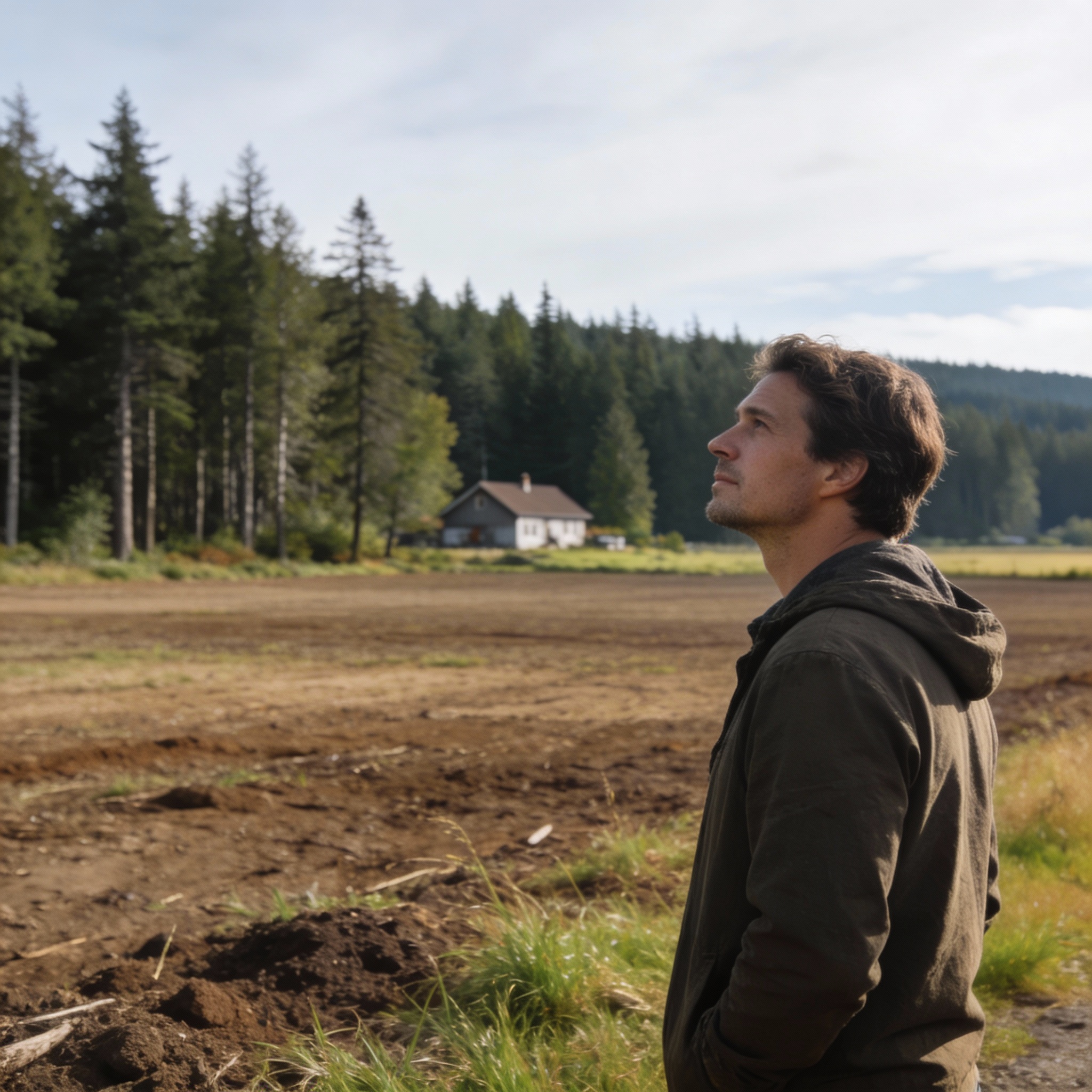
Dreaming of rolling fields, forested retreats, or panoramic ocean vistas? Purchasing acreage on Vancouver Island offers a lifestyle defined by space, privacy, and connection to nature. Whether you envision country living Vancouver Island–style or a productive hobby farm, this guide synthesizes local market insight, zoning essentials, financing strategies, and practical tips to help you confidently secure your own rural property on Vancouver Island.
Key Takeaways
-
Understand zoning designations and rural property restrictions before you look.
-
Calculate total acquisition costs including site preparation, servicing, and ongoing maintenance for septic systems rural property and well water.
-
Leverage local financing programs and incentives for rural property financing.
-
Inspect access routes, water sources, and soil quality to assess development potential.
-
Partner with a local expert—Jeff Hillenbrand’s 13+ years of rural‐property experience ensures you find the right acreage.
Overview
This pillar guide covers every stage of buying acreage on Vancouver Island: researching market trends, evaluating property attributes, verifying zoning bylaws, securing funding, and closing the deal. Dive into specialized topics like septic systems for rural properties, hobby farms zoning Vancouver Island best practices, well water systems rural properties, and the nuances of buying a farm Vancouver Island. You’ll find actionable advice, real‐life examples, authoritative sources for deeper research, and a dynamic, scrollable table of key comparisons to jumpstart your planning.
| Acreage Size | Typical Price Range | Down Payment Required | Best For | Municipal Services | Property Tax Benefits |
|---|---|---|---|---|---|
| Under 2 acres | $400,000–$800,000 | 20–35% | Hobby farming, gardens | Often present | Limited farm status |
| 2–5 acres | $650,000–$1.5M | 25–35% | Small livestock, orchards | Limited/wells & septic | Farm status eligible |
| 5–10 acres | $1M–$2.5M | 35–50% | Equestrian, larger operations | Wells & septic systems | Farm status eligible |
| 10+ acres | $1.5M–$5M+ | 35–50%+ | Commercial farming, estates | Wells & septic systems | Farm status eligible |
Understanding Vancouver Island’s Acreage Market
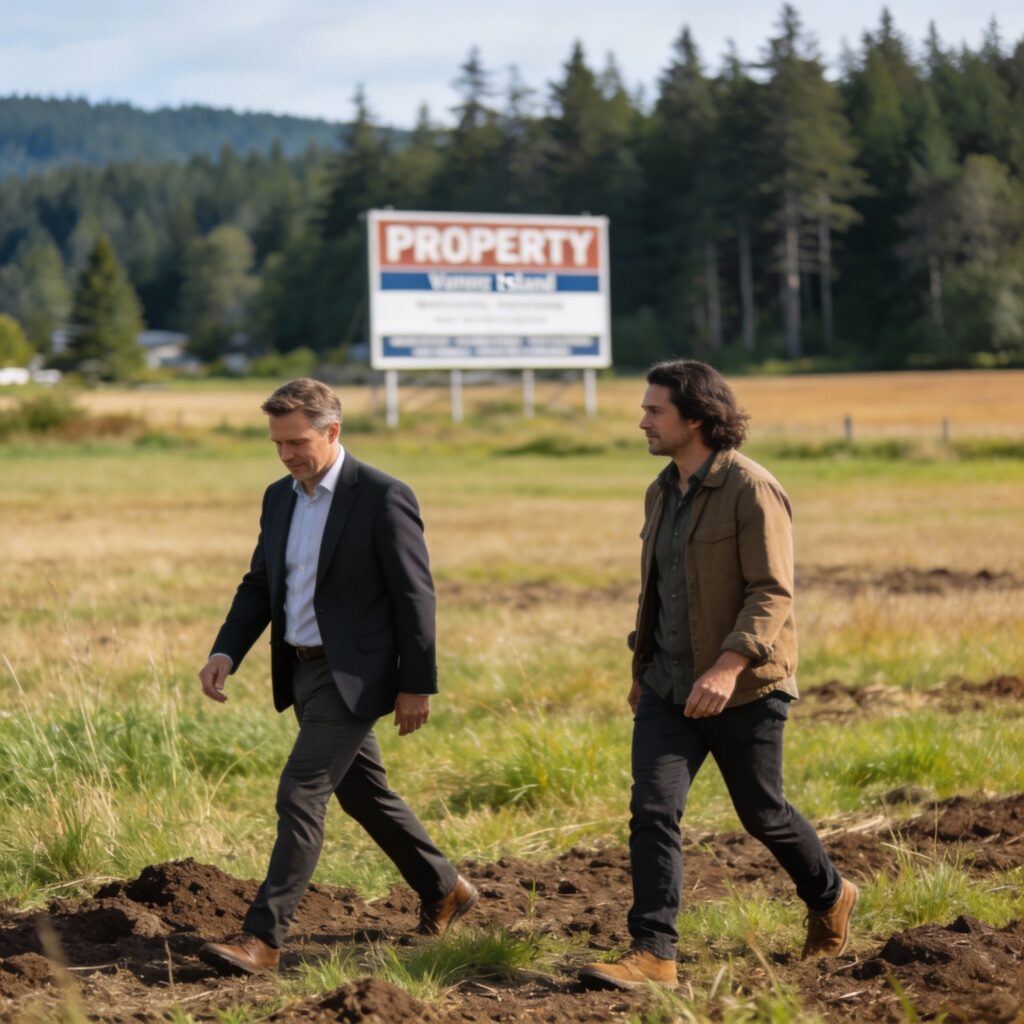
Vancouver Island’s rural land market blends agricultural heritage with growing demand for private retreats and productive hobby farms. Property sizes range from small five‐acre hobby farms to extensive hundred‐acre estates. Coastal regions command price premiums for ocean vistas, while central Island locations provide easier access to services and transportation. Over the past five years, acreage values have risen steadily, influenced by low inventory, remote‐work trends, and interest in country living Vancouver Island–style. Working with an agent experienced in rural sales ensures you zero in on opportunities before they hit public listings.
Regional Price Variations
-
Southern Island: Premium coastal acreages near Victoria with quick access to urban amenities.
-
Cowichan Valley: Balanced mix of farmland and rural residential—see zoning maps for Cowichan Valley Regional District.
-
Mid‐Island: Affordable options, excellent forestry potential, and growing demand for hobby farms zoning Vancouver Island regulations.
-
Northern Island: Larger parcels, more remote—ideal for wilderness retreats or large-scale agricultural operations.
Key Steps to Buying Acreage
1. Define Your Acreage Goals
Clarify use cases—hobby farming, equestrian facilities, recreation, or pure privacy. Land designated Agricultural A supports crops and livestock, while Rural RR zones permit single‐family homes with larger setbacks and accessory buildings. Early discussions with local planning departments prevent unwelcome surprises at building permit stage (see ALC regulations for reference). If buying a farm Vancouver Island farmland is your aim, verify soil quality and Agricultural Land Reserve status.
2. Secure Financing & Incentives
Rural property financing may qualify for specialized loans and provincial grants promoting agricultural development. Traditional mortgages on raw land often require higher down payments—typically 25–35%. Consider:
-
Farm Credit Canada programs for producers.
-
First‐time buyer incentives via BC Home Owner Mortgage and Equity Partnership.
-
Construction-to-permanent loans that convert post-build.
3. Conduct Thorough Due Diligence
Engage professionals to assess:
-
Environmental assessments: Identify sensitive ecosystems and development constraints.
-
Geotechnical reports: Verify slope stability and bearing capacity for any future build.
-
Septic systems rural property compliance: Ensure soil percolation tests and field designs meet health authority standards.
-
Well water systems rural properties: Drill and test for potable supply and yield.
-
Title review: Check for easements, rights of way, or forestry tenures that might limit use (BC Assessment data helps verify land classifications)https://www.bcassessment.ca.
4. Leverage Local Expertise
Jeff Hillenbrand brings over 13 years of rural‐property experience and lifelong familiarity from growing up on a Cowichan Valley acreage. His track record in acreage, single‐family, and condo sales ensures dependable guidance on property selection, negotiation strategies, and closing processes. Explore our rural property listings for current opportunities.
Financing the Purchase of Rural Land
Rural land financing diverges from residential loans. Lenders assess resale value differently, considering factors like soil productivity and access roads. Down payment requirements often exceed those for urban properties. Break down total project costs—land price, site servicing, building development, and contingency funds—before applying for pre‐approval. Align with a lender specializing in rural real estate to explore flexible amortization options and better interest rates. Learn more through our financing solutions.
Zoning, Permits, and Land‐Use Controls
Understanding local zoning bylaws is crucial. Zoning dictates allowed structures, agricultural uses, and subdivision potential. Municipalities such as Saanich and Cowichan Valley Regional District publish zoning maps and land‐use bylaws online. Always verify:
-
Minimum acreage requirements for hobby farms zoning Vancouver Island.
-
Building envelope setbacks from watercourses.
-
Forest‐cover retention mandates.
Failing to comply can stall construction and incur fines. Consult the Vancouver Island Regional District bylaws for updates.
Assessing Property Infrastructure
Raw land may lack paved road access, electricity, or water connections. Factor in:
-
Driveway construction: From logging trails to engineered entrances.
-
Power extension: Utility poles and transformers can add tens of thousands in costs—check BC Hydro rural services.
-
Well water systems rural properties: Water quality, pump installation, and storage.
-
Septic systems rural property: Tank sizing and field design per health authority.
Early site assessments inform negotiation leverage and accurate cost estimates.
Environmental and Agricultural Considerations
Preserving natural habitats and respecting Indigenous land rights are paramount. Agricultural Land Reserve (ALR) regulations protect farmland; properties inside ALR enjoy security for farming but face stricter subdivision controls. Engaging an environmental consultant early uncovers constraints and can streamline approvals for barns, greenhouses, and other agricultural structures. Refer to Agriculture Canada resources for best practices in sustainable land use.
Building and Development Potential
After acquiring acreage, planning structures—farm sheds, barns, workshops, and residences—requires permit applications and architectural drawings. Rural zoning often mandates larger setbacks from property lines and watercourses. If embarking on a custom build, include contingency for design revisions and municipal review timelines. For modular or pre-built homes, verify foundation requirements and crane access.
Lifestyle Considerations: Country Living Vancouver Island
Embrace the slower pace of country living Vancouver Island—morning mist in the valleys, wildlife encounters at your back door, and community events like farmers’ markets and equestrian shows. Proximity to urban centers varies: Southern Island acreages provide quick commutes to Victoria, while central locations balance solitude with village amenities. Factor in school districts, healthcare access, and volunteer fire services when selecting a region.
Closing the Deal: Negotiation to Possession
A competitive offer on acreage should include clear financing clauses, subject-to satisfactory site inspections, and permit-approval conditions. Title insurance guards against unknown easements or historical forestry tenures. Upon acceptance, register the transfer through the Land Title and Survey Authority of BC. Post-closing, secure your property with boundary markers, update civic addressing, and review annual rural property financing terms with your lender. For support, view our closing checklist.
Before you explore FAQs, remember: Andrew Hrushowy is at 755 Humboldt St, Victoria, BC V8W 1B1, reachable at (250) 383-1500 for tailored guidance on buying acreage Vancouver Island and beyond.
FAQs
Q: What zoning should I look for when buying acreage on Vancouver Island?
A:Focus on Agricultural A, Rural RR, or Forestry zones depending on intended use. Agricultural zones support crops and livestock, while Rural RR allows larger residential parcels. Always verify permitted uses with the local municipality.
Q: How much down payment is required for rural land mortgages?
A: Lenders typically require 25–35% down for raw land due to higher perceived risk. Specialized rural lenders may offer more flexible terms if you present a strong development plan.
Q: Are there incentives for first-time rural land buyers in BC?
A: Yes. Provincial and federal programs, including Farm Credit Canada and first-time buyer rebates, can reduce initial costs. Eligibility varies—consult your lender for specific programs.
Q: Do I need a septic permit for acreage purchases?
A:Yes. A soil percolation test and septic field design approved by your regional health authority are mandatory before building permits are granted.
Q: Can I build multiple dwellings on a single acreage?
A:That depends on zoning. Rural RR often allows one principal residence plus a secondary suite or carriage house. Agricultural zones may permit an additional farm worker dwelling with approval.
Q: How do I test water quality on remote acreage?
A:Hire a certified hydrologist to drill and test a well. Surface water sources require health authority approval, and periodic testing ensures safe potable supply.
Q: What environmental studies are recommended for raw land?
A: An environmental site assessment Phase I identifies potential contamination. Phase II may include soil and groundwater sampling if concerns arise.
Q: How long does closing on acreage typically take?
A:From accepted offer to title registration, expect 30–60 days, contingent on financing, inspections, and permit conditions.
Q: Is boundary surveying necessary before purchase?
A: Highly recommended. A professional survey confirms exact lot lines and prevents future disputes with neighbors.
Q: What ongoing costs come with owning acreage?
A:Budget for property taxes, liability insurance, road maintenance fees if applicable, and periodic well and septic inspections.
Conclusion
Purchasing acreage on Vancouver Island marries rural freedom with lifestyle investment. By defining your goals, securing appropriate financing, conducting due diligence on septic systems rural property and well water systems rural properties, and partnering with seasoned local experts, you can transform raw land into your private sanctuary.
Ready to explore buying a farm Vancouver Island? Contact Andrew Hrushowy today and take the first step toward owning a piece of country living Vancouver Island’s breathtaking landscape.