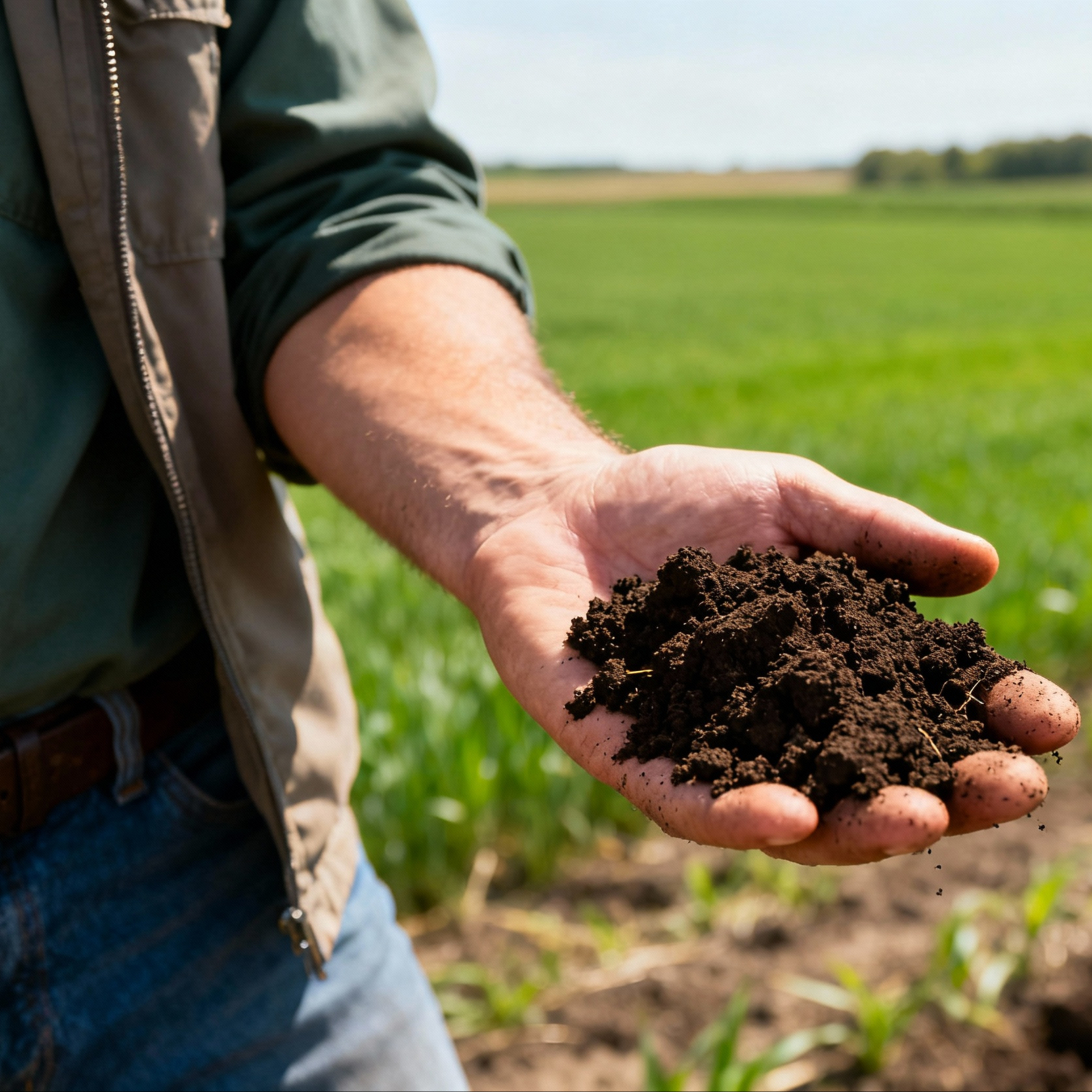
Soil quality stands as one of the most critical yet frequently overlooked factors when purchasing rural property on Vancouver Island, directly determining your success with agricultural operations, landscaping projects, septic system functionality, and structural stability for buildings and infrastructure.
Soil quality for rural property evaluations reveal whether land can productively support crops, livestock, sustainable gardens, or whether properties face limitations requiring expensive soil amendments, drainage corrections, or alternative approaches to land management. Many rural buyers discover soil deficiencies only after closing, resulting in crop failures, poor drainage causing septic issues, or expensive remediation required to establish viable growing conditions.
Understanding soil composition, drainage characteristics, nutrient content, and structural integrity allows informed decisions about property suitability for specific purposes and realistic budgeting for soil improvements. This supporting blog provides practical frameworks for assessing soil quality before purchase, ensuring purchased properties align with agricultural ambitions and land use intentions.
Key Takeaways
- Soil composition (clay, silt, sand ratios) directly affects drainage, nutrient retention, and suitability for specific crops or livestock.
- Professional soil testing reveals pH levels, nutrient content, contamination risks, and specific recommendations for amendments and management.
- Drainage assessment prevents future septic failures, basement flooding, and agricultural productivity limitations affecting long-term property viability.
- Organic matter content and microbial health indicate soil productivity and potential for sustainable farming and gardening success.
- Local soil maps, agricultural extension services, and professional agronomists provide essential expertise for comprehensive property evaluation.
Overview
Rural property success hinges fundamentally on soil—the living resource underlying all agricultural and landscaping activities on your land, determining productivity, sustainability, and long-term value creation. Soil quality for rural property assessment requires practical evaluation combining visual inspection, professional testing, and local expertise confirming whether soils support your intended land uses effectively.
This supporting blog explores soil assessment methods, testing approaches, and professional resources guiding confident decisions about rural land purchases. For broader rural property context, explore farms for sale on Vancouver Island , buying rural land Vancouver Island , and acreages for sale in Cowichan Valley guides for comprehensive property evaluation frameworks.
| Assessment Factor | What to Evaluate | Action Steps |
|---|---|---|
| Soil Texture | Clay/silt/sand composition | Perform jar test; request professional analysis |
| Drainage | Water infiltration rates | Dig test holes; observe water movement |
| pH Level | Soil acidity/alkalinity | Use pH test kit; send sample to lab |
| Nutrient Content | Nitrogen, phosphorus, potassium | Request comprehensive soil test |
| Organic Matter | Decomposed plant/animal material | Visual inspection; soil testing analysis |
Question 1: What Is the Zoning Classification and ALR Status?
Understanding Municipal Zoning Requirements
Municipal zoning classifications fundamentally determine what activities qualify as permitted uses on your property—whether residential dwellings, agricultural operations, accessory buildings, or commercial enterprises are legally permissible under current local regulations and bylaws.
Agricultural (A) zoning permits farming, livestock, and single residences but restricts non-farm commercial activities, while Rural Residential (RR) zoning allows residential living combined with hobby farming potential but maintains stricter limitations than full agricultural designations.
Zoning classifications directly impact property value, financing eligibility, and your ability to pursue intended land uses without violating municipal regulations and facing costly enforcement actions or required remediation. Before making offers or committing financially, obtain municipal zoning maps from the applicable district municipality and thoroughly understand permitted uses, building requirements, and setback regulations specific to your target property.
Agricultural Land Reserve (ALR) Implications
The Agricultural Land Commission (ALC) designates ALR land to preserve farmland across British Columbia, with restrictions preventing subdivision, non-agricultural development, and land use changes without formal ALC approval and exemption applications.
ALR properties receive agricultural property tax reductions when actively farmed, providing significant financial benefits for qualifying operations but restricting flexibility for non-agricultural future uses or development.
Understanding ALR status proves critical—properties within ALR designations offer tax benefits for farmers but limit future subdivision, residential development, or business diversification without extensive ALC approval processes that often face rejection.
Request Form A-3 (Notice of ALR Status) from sellers confirming whether property falls within ALR boundaries and what specific restrictions govern land use and development potential.
Subdivision and Development Feasibility
Before purchasing with development aspirations, verify whether property configurations, lot sizes, and municipal regulations permit subdivision or additional structures that align with your investment or lifestyle plans. Some properties appear large but face zoning restrictions, agricultural designations, or environmental constraints preventing subdivision or multi-unit development despite apparent acreage.
Question 2: Is the Water Source Adequate and Properly Documented?
Well System Testing and Capacity Verification
Rural properties typically rely on private wells rather than municipal water systems, requiring verification that well systems produce adequate quantity for residential and intended agricultural uses—typically minimum 3,000–5,000 gallons daily for residential use plus livestock or irrigation demands.
Request recent well drilling logs, water yield tests, and documented production capacity confirming wells meet your specific usage requirements and anticipated future needs.
Water quality testing proves equally critical—properties must meet health standards for potability, including bacterial testing, mineral analysis, and contaminant screening confirming safety for human consumption.
Have independent labs conduct comprehensive water testing rather than relying on seller-provided results, ensuring objective verification of water safety and suitability.
Water Rights and Seasonal Variations
Confirm whether property includes legal water rights from streams, lakes, or groundwater sources, with documentation establishing your entitlement to utilize water for household, agricultural, or livestock purposes.
Some properties experience seasonal water table fluctuations affecting well productivity during dry months or drought conditions—understanding these patterns prevents surprise water shortages during critical growing seasons or dry periods.
Request historical water table data and speak with neighbors about actual seasonal availability and any periods when wells run dry or require supplementation. This practical local knowledge often reveals issues invisible in official documentation but critical for realistic property management planning.
Backup Water Systems and Contingency Planning
Given potential water system vulnerabilities, assess whether backup systems (storage tanks, secondary wells, rainwater collection) exist or could be economically installed to ensure water security during emergencies or system failures. Properties without backup water systems or supplementation capacity face genuine risks during dry seasons or extended power outages affecting well pump operation.
For comprehensive guidance on rural property considerations, explore buying rural land Vancouver Island guides and rural communities on Vancouver Island resources for detailed infrastructure planning information.
Question 3: Are Access Rights Clear and Year-Round Accessible?
Confirming Property Access and Right-of-Way Status
Verify whether property frontage includes direct public road access or relies on private easements, shared driveways, or rights-of-way arrangements with neighbors, ensuring you maintain legal access rights regardless of neighbor cooperation or future disputes.
Properties with private access can become isolated if agreements fail, maintenance breaks down, or neighbor conflicts restrict passage—creating genuine access emergencies during emergencies or essential services.
Request formal written access agreements, easement documentation, and title search results confirming access rights are clearly established, properly recorded, and enforceable against future property owners.
Verbal understandings or informal neighbor arrangements provide inadequate protection—formal legal documentation proves essential for security and transferability.
Year-Round Driveway and Road Maintenance Conditions
Assess driveway conditions during rainy, snowy, and muddy seasons—visiting properties during challenging weather reveals whether access remains reliable or deteriorates during wet months when grading becomes difficult and drainage proves inadequate.
Private roads often require shared maintenance agreements distributing costs among users—verify whether your property faces proportional maintenance obligations and confirm fellow users participate fairly in cost-sharing.
Inspect road surface conditions, drainage adequacy, and maintenance history by speaking with neighbors and reviewing any existing maintenance agreements or records documenting past repairs. Properties with poor driveway drainage, minimal grading, or inadequate widths create genuine challenges during winter weather or heavy precipitation when access becomes uncertain.
Question 4: Do All Buildings Have Proper Permits and Legal Occupancy Status?
Verifying Building Permits and Compliance History
Request complete building permit history from municipal records, verifying that all structures—homes, barns, workshops, guest houses—were constructed with proper permits, inspections, and occupancy approvals from building authorities.
Unpermitted structures create legal complications, financing difficulties, insurance issues, and potential forced demolition obligations if discovered by authorities.
Unlicensed construction, illegal additions, or renovations completed without permits represent genuine liabilities—some require costly remediation, formal permits retroactively obtained, or worst-case demolition if deemed structural hazards.
Professional property inspections identify unpermitted work, but municipal building inspectors provide definitive authority regarding permit compliance and potential enforcement actions.
Occupancy Rights and Legal Residential Status
For properties with existing dwellings, confirm legal occupancy status through Form A-3 or municipal building department confirmation that primary residences and guest structures maintain proper licensing and compliance with current building codes.
Some rural properties include guest cottages or rental structures built before current code requirements or completed without proper permits—creating questionable legal status for occupancy or rental operations.
Understand whether buildings’ age protects them under grandfathering provisions or triggers compliance obligations for upgrades, renovations, or occupancy changes. Older structures may face mandatory upgrades for accessibility, energy efficiency, or safety features when significant renovations occur.
Question 5: Are There Environmental Restrictions or Protected Designations?
Environmental Hazards and Contamination Risks
Assess whether properties fall within environmental protection areas, wetlands, wildlife habitats, or contamination zones that restrict development, agricultural practices, or ground disturbance activities.
Some rural properties harbor historic industrial uses, fuel storage, or agricultural chemical applications creating soil contamination requiring expensive remediation before development or intensive land use.
Professional environmental assessments identify soil conditions, groundwater quality, and potential contamination risks that standard property inspections might miss.
Phase I environmental assessments provide cost-effective preliminary screening; Phase II investigations conduct detailed soil and groundwater testing if contamination concerns emerge from initial reviews. For guidance on rural property evaluation, explore
rural property considerations guides and land for sale on Saanich Peninsula resources.
Wetlands and Protected Habitat Designations
Properties containing wetlands, streams, or designated wildlife habitat face environmental regulations restricting development, drainage, or ground disturbance near sensitive features. Provincial and federal environmental legislation protects critical habitats regardless of private ownership—violations create enforcement actions, fines, and mandatory restoration obligations.
Confirm with environmental authorities and conservation organizations whether properties contain protected features or fall within sensitive ecosystem areas affecting development potential or land use flexibility. This information shapes realistic expectations and prevents costly surprises during development planning.
Conservation Covenants and Easements
Some properties carry conservation agreements or ecological easements restricting development or land use in exchange for tax benefits or conservation purposes—review title carefully for such restrictions that transfer with property ownership and constrain future options. Conservation covenants provide long-term environmental protection but require permanent compliance, affecting property value and usability for certain purposes.
Ready to purchase rural land on Vancouver Island with confidence and clarity about critical property characteristics and potential limitations? Contact Andrew Hrushowy at 755 Humboldt St, Victoria, BC V8W 1B1, or call (250) 383-1500 for expert guidance through rural property acquisition processes. Andrew’s extensive experience with
farms for sale on Vancouver Island, hobby farms in Cowichan Valley, and rural property financing ensures comprehensive property evaluation and strategic decision-making aligned with your objectives.
FAQs
Q: What does ALR zoning mean, and how does it affect my property?
A: Agricultural Land Reserve (ALR) zoning restricts non-agricultural development and subdivision but provides tax benefits for active farms, requiring approval from the Agricultural Land Commission for use changes or exemptions.
Q: How can I verify water system adequacy before purchasing?
A: Request well drilling logs, recent water yield tests, and independent water quality analysis from professional labs confirming adequate capacity and safety for intended uses.
Q: What private road agreements should I request and review?
A: Obtain written easements, maintenance agreements specifying cost-sharing obligations, and access rights ensuring legal passage regardless of neighbor disputes or future ownership changes.
Q: Can I legally rent unpermitted structures on my property?
A: No, unpermitted rental structures violate municipal regulations and insurance policies, creating liability risks and potential enforcement actions requiring expensive remediation or demolition.
Q: How do environmental restrictions affect rural land value and use?
A: Environmental protections, wetland designations, or conservation covenants may restrict development, drainage, or certain land uses, significantly affecting property value and usability for specific purposes.
Conclusion
Buying rural land on Vancouver Island succeeds through thorough investigation, professional guidance, and strategic questioning about zoning, water systems, access rights, building permits, and environmental considerations that fundamentally determine property value and usability.
By asking these five essential questions and conducting comprehensive due diligence before closing, you protect your investment, prevent costly surprises, and ensure purchased properties align with realistic expectations and intended uses.
Partnering with experienced rural real estate professionals, environmental consultants, and legal advisors provides expertise essential for navigating rural property complexities and making confident purchasing decisions.
The investment in professional guidance during acquisition proves far less expensive than remedying problems after closing—ensuring successful rural land purchases that deliver lasting satisfaction and strong long-term value.