
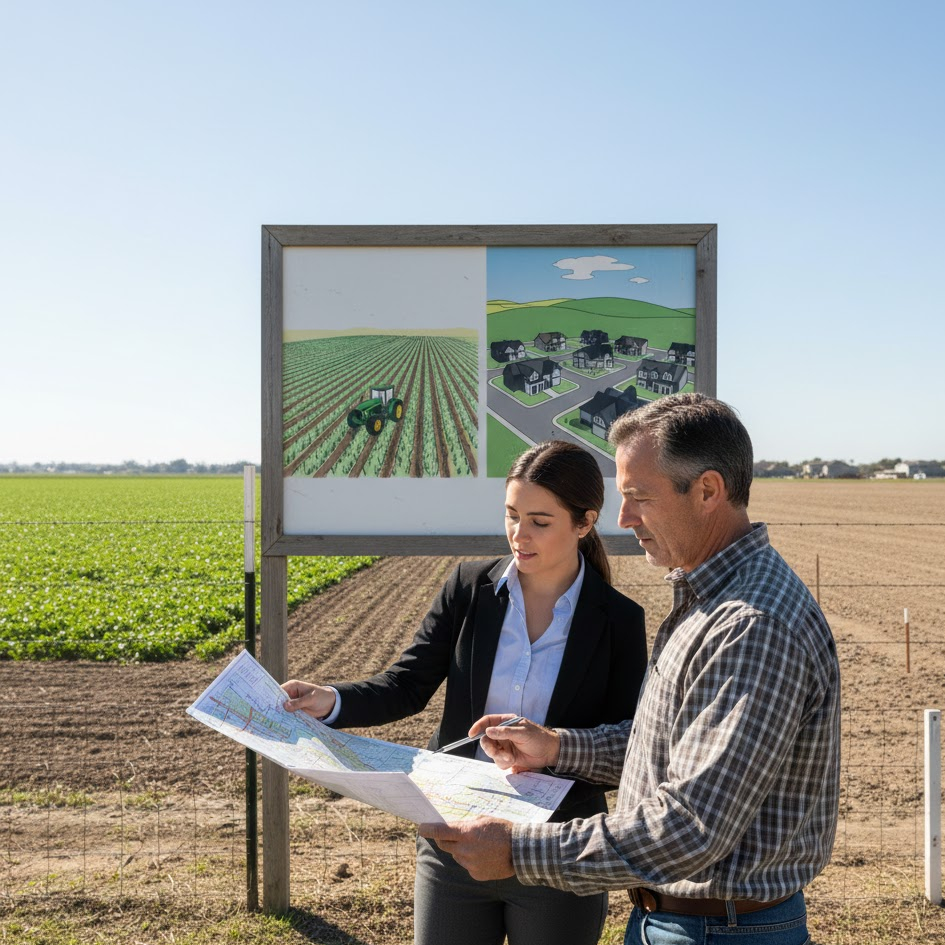
When purchasing agricultural land on Vancouver Island, understanding the distinction between zoning designations and permitted usage is fundamental to avoiding costly mistakes and ensuring your property purchase aligns with your farming or lifestyle goals.
Agricultural land zoning considerations shape what you can legally do on your property—whether you’re raising livestock, growing crops, establishing agritourism ventures, or building residential structures. Zoning classifications and Agricultural Land Reserve (ALR) restrictions operate independently yet simultaneously, creating a complex regulatory framework that many first-time rural buyers underestimate until after closing.
This guide demystifies the relationship between zoning and usage, explaining how provincial ALR regulations interact with municipal zoning bylaws to determine what’s permitted on your property. Armed with this knowledge, you’ll avoid heartbreaking situations where purchased land cannot support your intended agricultural vision without expensive exemption applications or reclassification processes.
Key Takeaways
- Zoning designations (Agricultural, Rural Residential, Forestry) establish baseline land use categories and building restrictions at municipal levels.
- Agricultural Land Reserve (ALR) status imposes additional provincial restrictions protecting farmland from non-agricultural development and subdivision.
- Permitted uses within ALR include diverse agricultural activities—farming, ranching, wineries, processing, timber production—but exclude residential, commercial, and recreational uses without ALC approval.
- Municipal zoning can restrict or limit permitted uses, even where ALR allows them, requiring careful alignment between provincial regulations and local bylaws.
- Professional legal review before purchase prevents post-closing discoveries that your intended use violates zoning or ALR restrictions.
Overview
Agricultural land regulation on Vancouver Island operates through layered governance—provincial Agricultural Land Reserve rules set farming-priority parameters, while municipal zoning bylaws establish local land-use controls creating additional restrictions or permissions.
Agricultural land zoning considerations require buyers to understand both levels simultaneously, as either regulatory layer can prohibit intended uses regardless of the other’s permissions. This supporting blog explores how zoning and usage interact, helping agricultural buyers identify properties genuinely aligned with their operational visions before financial commitment.
For comprehensive land evaluation guidance, explore our detailed Pillar Blog on rural land evaluation covering broader property acquisition considerations beyond zoning alone.
| Regulatory Level | Authority | Key Restrictions | Exemption Process |
|---|---|---|---|
| Provincial (ALR) | Agricultural Land Commission | Limits non-farm uses, subdivision, residential size | ALC application & approval required |
| Municipal Zoning | City/Regional District | Building setbacks, lot coverage, structure types | Zoning variance, conditional use permit |
| Agricultural Zoning (A) | Municipal | Farming primary; accessories permitted | Municipal variance application |
| Rural Residential (RR) | Municipal | Hobby farming; limited commercial | Permitted use confirmation |
Provincial Zoning: The Agricultural Land Reserve (ALR)
What is the ALR and How Does it Work?
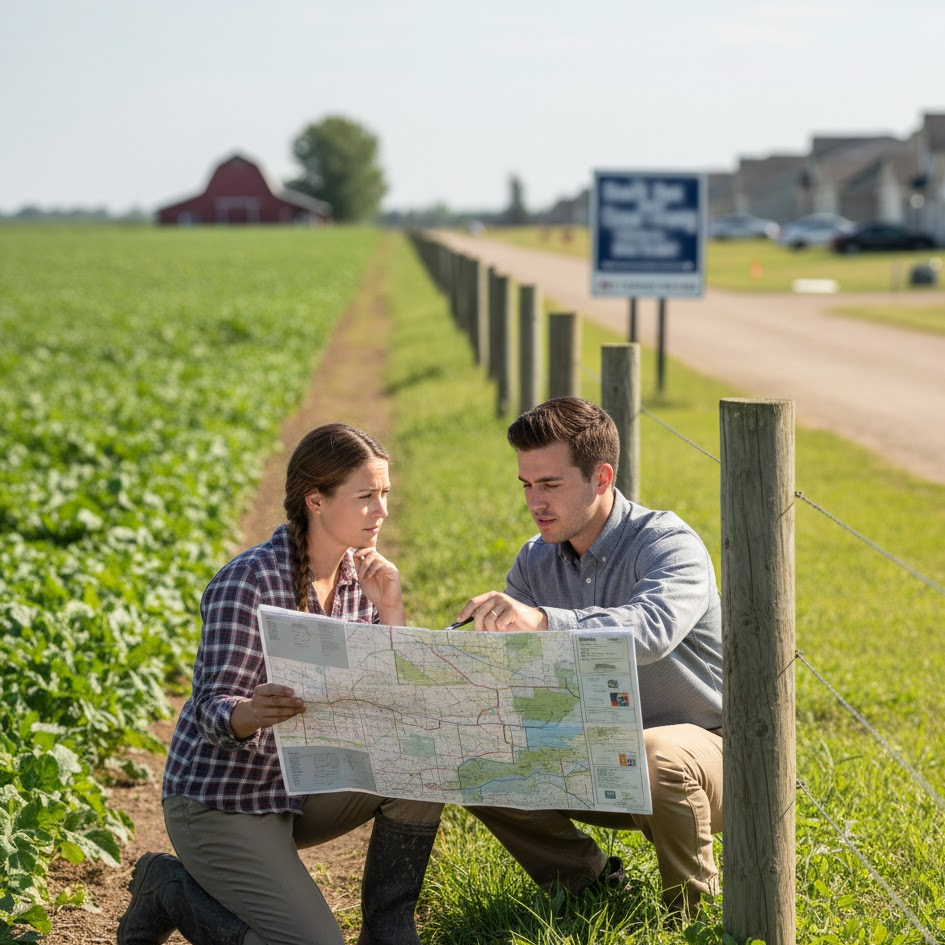
The Agricultural Land Reserve comprises approximately 4.6 million hectares of British Columbia designated by the province for agricultural priority use. The ALR represents only 5% of BC’s total land base yet contains the province’s most productive agricultural capacity. The Agricultural Land Commission (ALC)—an independent provincial tribunal—manages ALR designations, protecting these lands from non-agricultural conversion through strict regulations preventing residential development, industrial uses, and subdivision without explicit ALC approval.
ALR status fundamentally reshapes property ownership by subordinating traditional development rights to provincial agricultural priorities. Property owners cannot subdivide ALR land, construct additional residential structures beyond a primary residence, or pursue non-farm commercial activities without demonstrating that activities meet specific permitted-use criteria or securing formal ALC exemption applications. This protection ensures farmland preservation but restricts flexibility that standard property owners exercise freely.
Permitted Agricultural Uses in the ALR
The Agricultural Land Reserve Use Regulation identifies extensive permitted agricultural activities requiring no ALC approval, including crop production (vegetables, grains, berries, tree fruits, nuts, grapes), livestock operations, agroforestry, mushroom cultivation, and ornamental production.
Designated farm uses—wineries, cideries, agritourism operations, on-farm processing, timber production, and equestrian facilities—are permitted provided they comply with specific operational conditions and parameters established by regulation.
Non-agricultural permitted uses exist within ALR but face stricter local government regulation; municipalities can restrict or prohibit these uses through zoning bylaws even where provincial regulation permits them.
This dual-authority structure means certain activities may be ALR-compliant yet locally prohibited, creating confusion for buyers assuming provincial permission guarantees local approval.
Residential Restrictions Within ALR
New residential construction within ALR is strictly limited—principal residences cannot exceed 500 square meters (approximately 5,400 square feet) including all structures, and additional residential units (caretaker cottages, guest houses) typically require ALC approval. These restrictions fundamentally affect retirement plans, multi-generational living arrangements, and resort-style development dreams that would proceed freely on non-ALR land.
Understanding residential limitations before purchase prevents post-acquisition frustration when planned expansions, guest accommodations, or family housing arrangements prove legally infeasible without expensive and uncertain ALC exemption applications.
Municipal Zoning: Local Land-Use Controls
Common Agricultural Zoning Categories
Municipalities typically establish Agricultural (A) zoning designations permitting farming as primary use with restricted accessory structures, and Rural Residential (RR) zoning allowing residential living combined with hobby farming on larger lots. Agricultural zoning restricts non-farm commercial activity, requires substantial setbacks from property lines, and controls building footprint percentages preventing property conversion to industrial or commercial uses.
Rural Residential zoning accommodates smaller hobby farms, allowing residential dwellings with limited agricultural activity but typically prohibiting commercial farming operations or market-scale production.
Distinguishing between these categories is essential; properties zoned A may prohibit activities permitted on RR-designated land, and vice versa. Zoning misunderstandings lead to farmers unable to pursue market-scale operations despite adequate property size, or rural homeowners discovering hobby farming violates local restrictions.
Building Restrictions and Setbacks
Municipal zoning establishes setback requirements (distances from property lines), lot coverage percentages limiting building footprints, and structure height restrictions. Agricultural zoning typically mandates 20–50 foot setbacks from property lines, restricts building coverage to 10–15% of lot size, and caps structure heights at 35–50 feet.
These restrictions protect rural character but limit development flexibility; a buyer envisioning expansive barn complexes or guest facilities may discover municipal restrictions prevent planned expansion.
Setback regulations also affect practical property use—insufficient setbacks prevent road access, utility connections, or emergency vehicle maneuvering. Understanding specific municipal restrictions before purchase ensures projected property use remains feasible within local requirements.
Interplay Between Provincial ALR and Municipal Zoning
The Layered Restriction Model
Provincial ALR regulations and municipal zoning operate independently—ALR non-compliance makes uses prohibited regardless of municipal zoning permission, while municipal zoning violations prohibit uses despite ALR approval.
A vineyard operation may comply with ALR permitted farm uses yet violate municipal zoning establishing winery restrictions; conversely, proposed agritourism may meet municipal standards but exceed ALR permitted scope requiring ALC exemption.
Navigating this dual-authority structure requires confirming that proposed uses comply with both provincial and municipal regulations; single-authority compliance provides insufficient protection against future enforcement actions or use prohibitions.
When Municipal Bylaws Restrict ALR-Permitted Uses
Municipalities retain authority to restrict or prohibit certain ALR-permitted uses through zoning bylaws. Equestrian facilities, on-farm processing, or agritourism operations permitted provincially may face local prohibition or strict limitation through municipal zoning.
Buyers assuming provincial ALR permission automatically allows intended use discover too late that municipal restrictions require conditional use permits, special exceptions, or outright bans on their farming plans.
Communicating with municipal planning departments before purchase clarifies whether proposed uses face local restrictions despite ALR compliance, potentially eliminating properties that cannot support agricultural visions.
Practical Acquisition Strategies
Conduct Zoning Verification Before Making Offers
Request comprehensive zoning reports from municipal planning departments identifying both ALR status and specific zoning designations. Document all permitted uses, prohibited activities, building restrictions, and setback requirements in writing before purchase. Many municipalities provide online zoning maps and planning information; however, direct communication with planners ensures accuracy and identifies upcoming bylaw changes that might affect future operations.
Request ALC-ALR Status Clarification
Confirm whether properties fall within ALR boundaries and, if so, request Form A-3 certification from the Agricultural Land Commission documenting specific ALR designations and restrictions. This official documentation becomes essential reference material if future disputes arise regarding permitted uses or operational scope.
Align Operational Plans with Documented Regulations
Write detailed operational plans specifying proposed agricultural activities, structure types, and anticipated use intensity. Compare these plans against documented zoning restrictions and ALR regulations, identifying potential conflicts before purchase. Properties with regulatory misalignments should either be avoided or purchased at substantial discounts reflecting restriction-related value reduction.
For comprehensive rural property acquisition guidance, explore our buying rural land Vancouver Island resource and acreages for sale in Cowichan Valley guides providing operational context for specific regions.
Common Pitfalls and Solutions
Mistaking Zoning Permission for Operational Feasibility
Many buyers assume that zoned agricultural land permits any farming activity. Reality is far more restrictive—specific zoning categories, ALR regulations, and municipal bylaws limit activities despite generic “agricultural” designation. Wineries, equestrian facilities, agritourism operations, and direct-to-consumer sales often face restrictions that blanket “agricultural use” does not guarantee.
Solution: Request written municipal confirmation of specific intended use(s) permitted on target properties before purchase.
Discovering Residential Restrictions After Commitment
Buyers planning guest accommodations, multi-generational housing, or expansion structures often discover ALR residential size limits or municipal restrictions prohibiting additional dwellings. These restrictions fundamentally undermine retirement planning or family arrangement visions.
Solution: Confirm residential permission scope and limitations in writing from ALC and municipality before purchase, understanding that expanding beyond principal residence requires expensive exemption applications with uncertain approval likelihood.
Overlooking Future Development Concerns
Current zoning may permit intended use, yet anticipated future activities may face restrictions. Buyers planning phased expansion should verify that future-phase activities comply with existing zoning and ALR regulations, preventing situations where initial purchase permits certain activities but expansion becomes infeasible.
Solution: Document long-term operational plans and verify regulatory compliance for all anticipated phases before purchase commitment.
Ready to navigate the complex intersection of zoning and usage for agricultural land purchases on Vancouver Island? Contact Andrew Hrushowy at 755 Humboldt St, Victoria, BC V8W 1B1 or call (250) 383-1500 for expert guidance ensuring your property acquisition aligns perfectly with agricultural visions and regulatory requirements. For deeper exploration of agricultural land regulations and regional variations, explore our hobby farms for sale in Cowichan Valley and real estate on the Saanich Peninsula guides providing region-specific regulatory context and property opportunities.
FAQs
Q: What is the difference between zoning and ALR restrictions?
A: Zoning is municipal land-use control; ALR is provincial agricultural designation. Both must be complied with—either restriction can prohibit activities despite the other’s permission.
Q: Can I do any farming on ALR land?
A: No—only activities specifically permitted by the Agricultural Land Reserve Use Regulation qualify. Many farming operations require ALC approval for exemptions.
Q: What happens if I violate zoning or ALR restrictions?
A: Municipal enforcement can include cease-and-desist orders, fines, forced remediation, or legal action. ALC violations similarly face enforcement consequences affecting property value and operational viability.
Q: Can municipalities restrict uses that the ALR permits?
A: Yes—municipalities can establish local bylaws restricting ALR-permitted uses, creating situations where provincial permission doesn’t guarantee local approval.
Q: How large can buildings be on ALR land?
A: Residential structures limited to 500 square meters. Agricultural buildings face different restrictions based on specific use and municipal zoning standards.
Q: Should I hire a lawyer before purchasing agricultural land?
A: Absolutely—real estate lawyers specializing in agricultural property prevent costly post-purchase discoveries by confirming regulatory compliance before acquisition.
Conclusion
Agricultural land zoning considerations fundamentally shape rural property ownership, determining feasibility of agricultural visions, building expansion, and operational scope. Understanding the interplay between provincial ALR designations and municipal zoning empowers informed acquisition decisions preventing post-purchase regulatory conflicts.
Professional legal review, municipal consultation, and comprehensive regulatory documentation transform zoning knowledge into confident property purchases aligned with genuine agricultural and lifestyle objectives.