

Condos for sale Victoria BC market increasingly defined by exceptional amenities elevating urban lifestyle: resort-style pools, state-of-the-art fitness centers, concierge services, co-working spaces, and curated social lounges transforming condo living from basic residential to five-star hotel experience.
Downtown Victoria premium buildings (The Falls, The Belvedere, Chatham Studio Lofts) featuring comprehensive amenity suites—outdoor pools, hot tubs, fitness facilities, guest suites, hobby/workshop spaces, private lounges—supporting resident wellness, productivity, and community engagement.
Real estate expert Andrew Hrushowy emphasizes that condos for sale Victoria BC amenity selection fundamentally impacts lifestyle satisfaction and property appreciation: strategic amenity evaluation enables confident decision-making aligned with personal priorities (wellness, entertainment, work flexibility, social engagement) and investment appreciation potential. This supporting blog synthesizes essential condo amenities, lifestyle integration, investment implications, and strategic selection frameworks supporting optimal Victoria condo acquisition decisions.
Strategic condo amenity selection—prioritizing fitness, entertainment, social space, and wellness features aligned with lifestyle goals—fundamentally enhances urban living satisfaction and property value appreciation.
Key Takeaways
- Essential Wellness Amenities: Fitness centers, yoga studios, spa facilities, pools increasingly standard in Victoria condo developments; wellness-focused amenities commanding 2-4% premium pricing reflecting resident health prioritization.
- Co-Working/Productivity Spaces: Private offices, meeting rooms, high-speed internet increasingly essential for remote/hybrid workforce; buildings emphasizing co-working spaces attracting professional demographic supporting rental income and owner satisfaction.
- Entertainment & Social Spaces: Private lounges, libraries, cinema rooms, karaoke facilities transforming social engagement; community-building amenities supporting resident retention and property resilience.
- Lifestyle Integration: Concierge services, valet parking, guest suites, pet-friendly amenities supporting convenience; lifestyle-integrated amenities differentiating premium buildings from standard offerings.
- Andrew Hrushowy recommends prioritizing amenities aligned with personal lifestyle (wellness focus: fitness/spa; professional focus: co-working; social focus: lounges/entertainment; family focus: playrooms/guest accommodations) and assessing building execution quality; amenity abundance without quality maintenance detracts from value proposition.
Overview
Condo living on Vancouver Island fundamentally transforms through strategic amenity selection and execution quality. Premium urban condos (The Falls, The Belvedere, Chatham Studio Lofts) distinguish themselves through comprehensive amenity ecosystems spanning wellness (fitness centers, pools, spa facilities), productivity (co-working spaces, high-speed internet, meeting rooms), entertainment (private lounges, cinema rooms, social spaces), and lifestyle convenience (concierge services, valet parking, guest suites).
Andrew Hrushowy identifies that amenity value extends beyond resident satisfaction into tangible financial implications: buildings emphasizing wellness, productivity, and community amenities attract professional demographic supporting rental premiums ($500-$1,000+ monthly above standard buildings), demonstrating 2-4% annual appreciation versus standard buildings (0-2%), and maintaining lower vacancy rates through resident satisfaction-driven retention.
This supporting blog synthesizes essential condo amenities, lifestyle integration mechanisms, investment implications, amenity execution quality assessment, and strategic selection frameworks enabling confident Victoria condo acquisition decisions aligned with personal priorities and investment objectives.
| Access Type | Legal Security | Maintenance Responsibility | Annual Cost | Risk Level |
|---|---|---|---|---|
| Public Road Frontage | Highest (Municipal) | Municipality | $0 | Lowest |
| Dedicated Highway | High | Municipality | $0 | Low |
| Registered Easement | Medium-High | Dominant Owner/Shared | $1K-$5K | Medium |
| Crown Road Allowance | Medium | Property Owner | $2K-$8K | Medium-High |
| Forced/Trespass Road | Low | Unclear | $5K-$20K+ | Highest |
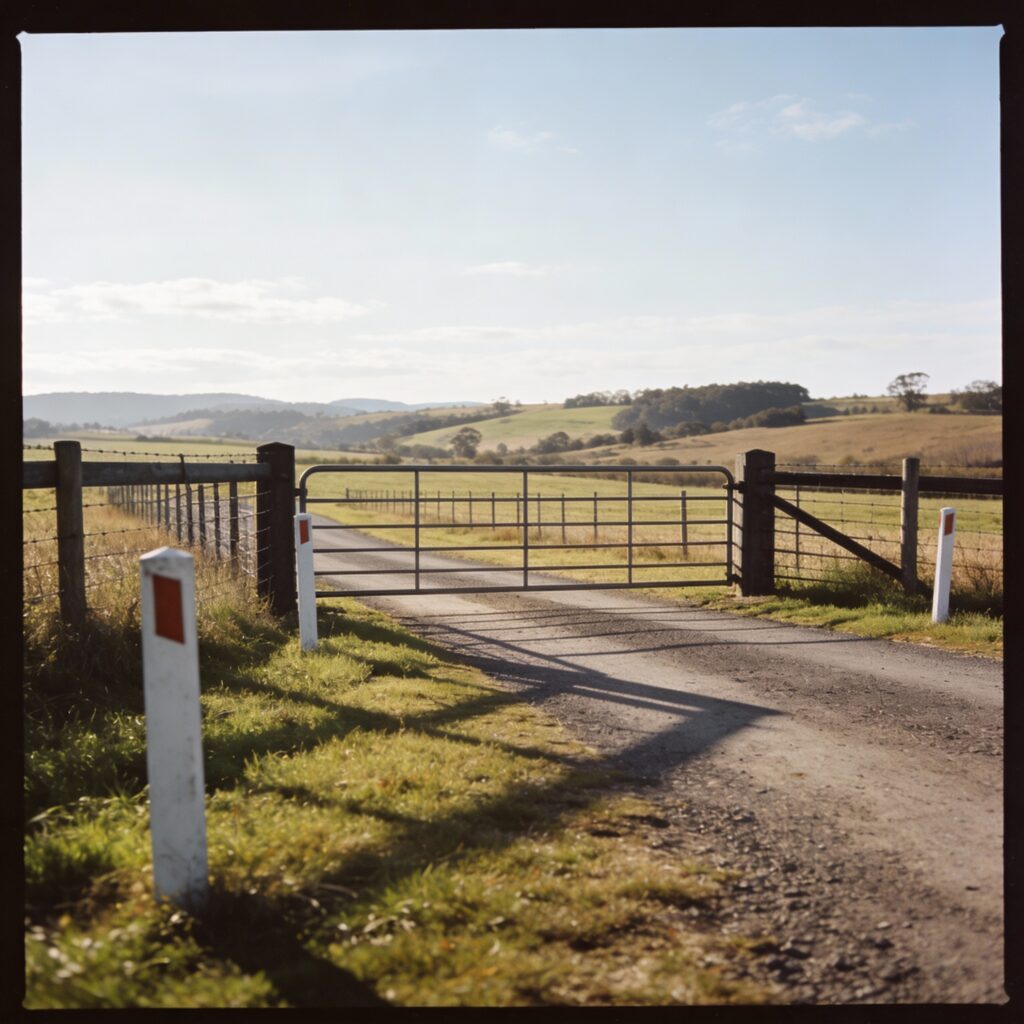
Legal Access Framework and Documentation
Fundamental rural property assessment begins with legal access confirmation: title search identifying registered access rights, easement documentation specifying rights and obligations, and legal opinion confirming access enforceability protecting acquisition security.
Access Documentation Categories:
Public Road Frontage: Property directly accessing maintained public road; highest security, municipal maintenance responsibility, no neighbor disputes; minimal access risk.
Dedicated Highway/Road: Registered public road; municipal maintenance obligation, secured access rights, reliable year-round maintenance; established access certainty.
Registered Easement: Documented legal right-of-way across third-party property; access rights protected by registration; maintenance obligations specified in easement agreement; requires easement agreement review.
Unopened Original Crown Road Allowance: Historic grid-pattern roads (pre-1900s); may enable permanent access if formalized through Road Access Agreement; requires municipal confirmation and legal documentation.
Forced/Trespass Road: Historically used access (pre-2003 construction) without formal easement or municipal ownership; quasi-legal positioning with closure risk if registration/permanent agreement absent; requires legal opinion and long-term security documentation.
Access Without Registered Documentation: Highest risk positioning; unregistered access potentially subject to blockage, legal challenge, forced alternative access development; requires immediate legal action (easement formalization, prescriptive rights documentation).
Critical Principle: Only registered access (public road frontage, dedicated roads, registered easements with permanent status) provides secure, legally defensible positioning. Unregistered or ambiguous access requires legal formalization before acquisition commitment.
Easement and Shared Access Maintenance Obligations
Shared access roads frequently creating neighbor disputes regarding maintenance costs and responsibility allocation; clear written agreements essential preventing future conflict and cost ambiguity.
Maintenance Responsibility Framework:
Dominant Tenement (Access Beneficiary): Property owner using easement typically responsible for maintenance and repairs ensuring road remains usable; passive obligation insufficient—active maintenance required.
Servient Landowner (Property Granting Access): Generally not obligated to maintain easement benefiting neighbor; however, agreements may impose maintenance obligations or cost-sharing requirements.
Shared Arrangements: Multiple properties accessing same easement typically share maintenance costs proportional to benefit/usage; cost-sharing formalized in written agreements specifying percentage allocation.
Maintenance Elements:
- Surface grading and pothole repair
- Snow removal and winter maintenance
- Drainage management and erosion control
- Tree removal and vegetation management
- Seasonal maintenance scheduling
Cost Reality: Shared gravel roads typically requiring $1,000-$3,000 annually per property; paved roads $3,000-$10,000+ annually depending on condition and climate; poorly maintained roads potentially requiring $20,000-$50,000+ emergency repairs.
Documentation Essential: Purchase agreements should explicitly address maintenance responsibility and cost-sharing; absent clarity creates disputes, deferred maintenance, and emergency situations requiring expensive remediation.
Physical Road Condition Assessment
Professional road evaluation essential before acquisition: physical condition assessment, drainage functionality, winter accessibility verification, and emergency vehicle access confirmation ensuring access reliability and identifying future investment requirements.
Professional Assessment Components:
Surface Condition:
- Asphalt/concrete: Cracks, potholes, rutting assessment; repaving timelines 15-25 years typical
- Gravel: Grade stability, drainage effectiveness, frost heave risk evaluation
- Drainage: Culvert functionality, water flow management, erosion risk
- Shoulder/Embankment: Stability assessment, erosion prevention requirements
Winter Accessibility:
- Snow removal capability verification (equipment availability, cost impact)
- Salt/sand application standards and environmental impact
- Grade appropriateness for snow equipment access
- Steep grades (>10%) potentially problematic for winter vehicles
Emergency Access:
- Fire truck/ambulance access confirmation (minimum width 12 feet typical)
- Turnaround space availability
- Bridge/culvert weight capacity verification for emergency vehicles
Future Improvement Needs:
- Identified repairs or replacements required within 5-10 years
- Estimated costs for major improvements (surface replacement, drainage upgrade)
- Maintenance frequency and annual cost projection
Rural Vancouver Island Reality: Island climate (heavy rain, moderate snow) creates specific maintenance challenges; drainage management and winter maintenance critical; professional assessment typically cost $500-$2,000 but preventing $20,000+ surprise repairs justifies evaluation investment.
Municipal and Government Access Responsibility
Municipal access designation fundamentally affecting maintenance responsibility and reliability: confirmed year-round maintenance represents highest access security; seasonal-only or private-responsibility designation creates operational constraints and cost implications.
Municipal Access Categories:
Year-Round Maintained Municipal Roads: Municipality assumes full maintenance responsibility; property owner has no maintenance obligation; highest security positioning.
Seasonally Maintained Roads: Municipality maintains during certain periods (summer only typical); winter maintenance responsibility shifts to property owner or mutual arrangement; operational limitation requiring private snow removal equipment.
Private Roads with Municipal Recognition: Road listed as private; municipality provides no maintenance; property owner or shared group fully responsible for costs; lowest municipal support positioning.
Verification Process:
- Contact municipality (Public Works) confirming current road designation
- Obtain written confirmation of maintenance commitments
- Verify seasonal maintenance if applicable
- Assess future designation change potential (municipalities occasionally reclassifying roads as seasonal to reduce costs)
Long-Term Risk: Municipalities occasionally shift year-round roads to seasonal-only designation reducing costs; confirmation of permanent year-round commitment essential; seasonal designation creating winter access challenges and property value impact.
Shared Road Cost-Sharing and Conflict Resolution
Shared access roads frequently generating neighbor disputes regarding fair cost allocation, maintenance standards, and dispute resolution; proactive written agreements essential preventing conflicts and maintaining harmony.
Cost-Sharing Frameworks:
Equal Share: All benefiting properties share costs equally regardless of usage; simplest approach but potentially unfair if usage/benefit significantly varies.
Usage-Based Share: Costs allocated proportional to estimated usage (vehicles per day, frequency, equipment type); more complex but potentially fairer reflecting benefit variation.
Benefit Share: Allocation based on property frontage on road or distance from public access; alternative to usage-based approach.
Documented Agreement Elements:
- Identified parties and properties (legal descriptions)
- Cost-sharing percentage or formula
- Maintenance responsibilities (who performs work, scheduling)
- Dispute resolution process (arbitration, mediation)
- Agreement amendment procedures
- Insurance requirements and liability allocation
- Default/non-payment remedies
Conflict Prevention: Written agreements reduce disputes; regular maintenance preventing emergency situations; open communication between neighbors preventing resentment accumulation; formal agreement enforcement available if disputes emerge.
Strategic Rural Property Access Assessment Framework
Comprehensive access evaluation requires multi-step assessment combining legal confirmation, physical inspection, municipal verification, and cost projection.
Pre-Purchase Assessment Checklist:
Title Search & Legal Documentation
- Confirm registered access rights or easement documents
- Verify easement permanence (permanent vs. temporary designation)
- Obtain copy of easement/right-of-way agreement
- Confirm no access restrictions or conditions
Maintenance Responsibility Clarification
- Review easement agreement specifying maintenance obligations
- Identify cost-sharing arrangements (if shared access)
- Obtain written confirmation from neighbors regarding historical cost-sharing
- Project annual maintenance costs ($1,000-$10,000+ depending on positioning)
Physical Road Inspection
- Professional assessment of road condition
- Winter accessibility verification
- Emergency vehicle access confirmation
- Drainage functionality evaluation
- 5-10 year maintenance/replacement projection
Municipal Verification
- Contact Public Works confirming maintenance designation
- Verify year-round commitment or seasonal-only status
- Obtain written documentation of municipal responsibility
- Assess future designation change risk
Neighbor Relationships & Conflict History
- Discuss access arrangements with neighbors
- Inquire about historical maintenance disputes
- Assess cost-sharing satisfaction or tension
- Verify access reliability (no closures or conflicts)
Legal Counsel Review
- Lawyer review of all access documentation
- Opinion on access security and enforceability
- Clarification of maintenance obligations
- Written opinion addressing ambiguities
Red Flags and Risk Scenarios
Critical warning indicators requiring enhanced scrutiny or acquisition reconsideration:
Unregistered Access: Road access without registered easement or documented agreement; requires formal legal registration before acquisition.
Temporary Easement Designation: Easement agreement specifying expiration date or termination conditions; creates future access uncertainty.
Unclear Maintenance Responsibility: Easement agreement lacking maintenance specification; neighbor disputes regarding cost-sharing typical.
Road Condition Deterioration: Poor physical condition, deferred maintenance, no cost-sharing funding; suggests neighbor conflict or lack of investment commitment.
Neighbor Conflict History: Known disputes regarding access costs, maintenance standards, or access blockage attempts; indicates future relationship tension.
Municipal Access Uncertainty: Road recently reclassified from year-round to seasonal; suggests future municipal cost-cutting measures.
Forced/Trespass Road Positioning: Road access without formal legal documentation; quasi-legal status subject to challenge if original owner changed or property ownership transitions.
Multiple Servient Properties: Access requiring crossing multiple third-party properties; increased blockage/conflict risk if relationships deteriorate.
Assessing rural property access roads with comprehensive legal, physical, and municipal verification? Andrew Hrushowy—with extensive rural property and access road expertise—helps buyers, investors, and primary residence purchasers evaluate access positioning, clarify maintenance obligations, and identify risk scenarios preventing post-purchase surprises. Contact Andrew Hrushowy at 755 Humboldt St, Victoria, BC V8W 1B1 or call (250) 383-1500 for expert rural property access road assessment and acquisition guidance.
For comprehensive rural and land property guidance, explore our Vancouver Island Real Estate Market Guide and Buying Land vs Homes Vancouver Island Comparison guides.
FAQs
Q: What’s the difference between easement and right-of-way?
A: Easement grants permission to use another’s land for specific purpose (typically access); right-of-way is specific type of easement. Terms often used interchangeably; review documentation for specific rights and obligations.
Q: Who pays for road maintenance on shared driveways?
A: Depends on easement agreement; typically benefiting property owner maintains easement, but shared arrangements may require cost-sharing. Review agreement; absent clarity, write agreement specifying costs and allocation.
Q: Can neighbors block my access road?
A: Registered easements provide legal protection against blockage; unregistered access vulnerable to obstruction. Verify registration; if unregistered, formalize easement immediately through lawyer before acquisition.
Q: What if the municipality stops maintaining my rural road?
A: If road was year-round maintained, change to seasonal-only requires municipal bylaw; contact Public Works to prevent or challenge reclassification. Year-round status provides legal expectation of continued maintenance.
Q: How do I assess whether private road maintenance is sustainable?
A: Review historical cost-sharing patterns, assess neighbor financial capacity and relationship quality, evaluate cost-sharing percentage alignment with property benefit. Consult lawyer regarding enforcement mechanisms if disputes emerge.
Conclusion
Assessing rural property access roads requires comprehensive legal verification (registered access rights, permanent easement designation, clear maintenance obligations), physical inspection (road condition, winter accessibility, emergency vehicle access), and municipal confirmation (year-round maintenance commitment) preventing post-purchase access surprises and hidden cost exposure.
Andrew Hrushowy emphasizes that access documentation review—ensuring registered legal rights, permanent status, and clear maintenance responsibility specifications—represents essential pre-acquisition due diligence; shared road arrangements require written cost-sharing agreements preventing neighbor disputes and deferred maintenance. Physical road assessment projecting annual maintenance requirements ($1,000-$10,000+ depending on positioning) and emergency repair potential ($20,000-$50,000+ if deferred maintenance accumulates) supports informed acquisition decisions and financial planning.
Municipal confirmation of year-round maintenance commitment essential; future reclassification to seasonal-only designation creating operational constraints. Strategic assessment framework combining legal documentation verification, professional physical inspection, municipal clarity, neighbor relationship evaluation, and legal counsel review enables confident rural property acquisition with transparent access understanding, predictable maintenance costs, and reliable access security supporting long-term property utility and value appreciation.