
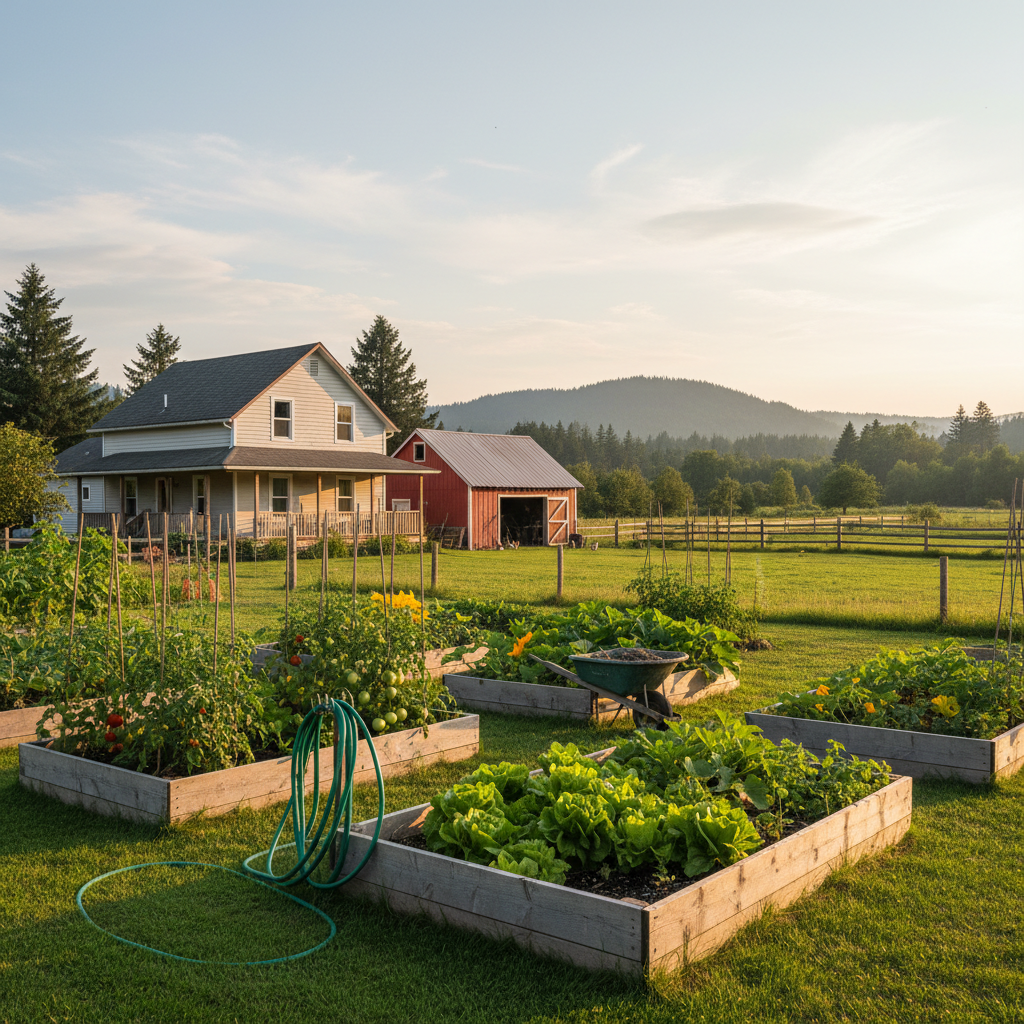
Selecting the perfect hobby farms for sale in Cowichan Valley requires understanding what distinguishes exceptional hobby farm properties from adequate acreage, focusing on characteristics ensuring operational feasibility, lifestyle fulfillment, and long-term satisfaction. Cowichan Valley’s reputation as premier hobby farm destination stems from ideal growing conditions, established agricultural infrastructure, supportive community engagement, and abundant property diversity enabling buyers to identify properties perfectly aligned with specific operational visions and lifestyle aspirations.
However, many prospective hobby farm buyers underestimate evaluation complexity, purchasing properties with inadequate soil, problematic drainage, insufficient water access, or poor zoning alignment that transform romantic dreams into operational frustrations and financial regrets.
This guide articulates essential evaluation criteria distinguishing outstanding hobby farm properties from mediocre offerings, enabling informed purchasing decisions supporting genuine agricultural productivity and lifestyle satisfaction. Whether pursuing organic vegetable production, small livestock operations, equestrian facilities, or wine production ventures, strategic property evaluation ensures successful hobby farm establishment combining operational viability with personal fulfillment.
Key Takeaways
- Ideal hobby farm properties balance 5–15 acres supporting diverse operations without overwhelming owner-managers lacking agricultural experience.
- Soil quality fundamentally affects productivity; properties with tested, fertile soil supporting specific crop or livestock plans ensure operational success.
- Water access through wells, springs, or streams proves essential for irrigation, livestock watering, and operational resilience during dry periods.
- Mixed terrain combining open pasture with forested areas provides flexibility, windbreaks, shade, and potential timber income supplementing primary operations.
- Zoning compliance, ALR alignment, and building infrastructure (homes, barns, storage) dramatically affect property viability and development feasibility.
Overview
Cowichan Valley hobby farm success depends on properties combining ideal physical characteristics—soil quality, water access, topography, infrastructure—with regulatory alignment and community positioning supporting agricultural endeavors. Hobby farms for sale in Cowichan Valley vary dramatically in quality and suitability; properties meeting multiple essential criteria typically deliver superior operational success and personal satisfaction compared to those missing fundamental requirements. This supporting blog identifies critical evaluation criteria, assessment methodologies, and decision frameworks enabling confident hobby farm purchases aligned with agricultural visions and lifestyle objectives.
For comprehensive Cowichan Valley property and community context, explore our detailed Pillar Blog on Cowichan Valley hobby farms covering broader regional characteristics and investment considerations.
| Property Characteristic | Ideal Standard | Assessment Method | Priority Level |
|---|---|---|---|
| Acreage | 5–15 acres | Survey verification, property deed confirmation | Critical |
| Soil Quality | pH 6.0–7.0, high organic matter, tested fertility | Professional soil testing, agronomist consultation | Critical |
| Water Access | Well + surface water or seasonal source | Well testing, stream/spring verification, yield confirmation | Critical |
| Topography | Mix of level/sloped, good drainage | Site walk, survey review, drainage observation | High |
| Infrastructure | Home + barn/storage, utilities established | Building inspection, permit verification | High |
| Zoning/ALR | Agricultural zoning, ALR-compliant operations | Municipal zoning verification, ALC form A-3 | Critical |

Acreage and Property Size Fundamentals
Determining Optimal Hobby Farm Size
Ideal hobby farm properties range 5–15 acres, balancing operational capability with manageability for owner-operators typically lacking professional agricultural experience. Properties under 5 acres restrict livestock numbers, limit diverse crop cultivation, and constrain long-term expansion potential; properties exceeding 20 acres introduce management complexity, labor demands, and capital requirements often exceeding hobby farm operational scope. The sweet spot—10 acres—enables diverse operations: residential living (1 acre), vegetable production (2–3 acres), small livestock grazing (3–4 acres), and forest/windbreak (2–3 acres) supporting varied interests without overwhelming commitment.
Acreage decisions depend on specific operational plans: hobby farms prioritizing vegetable production benefit from intensive cultivation on 2–5 acres; equestrian operations require 5–10 acres per horse ensuring adequate grazing; small livestock (goats, sheep) need 1–2 acres per animal; orchards require 0.5–1 acre per tree supporting 10+ year growth periods. Understanding exact operational requirements prevents purchasing inadequate or excess acreage misaligned with actual plans.
Verifying Property Boundaries and Survey Accuracy
Request current surveys confirming actual property boundaries and acreage, verifying seller descriptions match official documentation. Properties described as “approximately 10 acres” may actually contain 8–9 acres significantly affecting operational calculations and property value. Survey verification prevents post-purchase discoveries of boundary discrepancies affecting livestock grazing capacity, field expansion plans, or building placement.
Soil Quality and Fertility Assessment
Conducting Professional Soil Testing
Exceptional hobby farms feature fertile, well-balanced soils supporting specific crop aspirations without requiring extensive amendment. Request comprehensive soil testing measuring texture (sand/silt/clay percentages), pH levels (optimal 6.0–7.0), organic matter content (minimum 3–5%), and essential nutrients (nitrogen, phosphorus, potassium). Professional soil analysis reveals whether properties naturally support intended crops or require expensive amendment investments before achieving productivity.
Cowichan Valley’s agricultural reputation rests partly on naturally fertile soils, yet significant variation exists between properties. Properties with documented fertility require minimal amendment investment; properties with clay-heavy soils, low organic matter, or pH imbalances require substantial investment improving productivity. Understanding realistic improvement timelines and costs shapes purchasing decisions and long-term financial projections.
Interpreting Soil Test Results and Amendment Requirements
Soil testing returns with specific recommendations addressing identified deficiencies. Organic matter deficiencies (common in developed properties) require compost/manure additions; pH imbalances require lime (acidic soils) or sulfur (alkaline soils) applications; nutrient shortages require targeted fertilization. Some amendments work quickly (fertilizer); others require years of organic matter accumulation improving long-term soil structure.
For operational crops or livestock, soil test results shape development priorities and capital allocation. Starting cultivation or grazing on inadequate soil produces disappointing results; waiting for soil amendment investment delays revenue generation but ensures long-term productivity. Professional agronomists guide realistic timelines and cost-effective improvement strategies.
Water Access and Availability
Verifying Well Functionality and Yield
Reliable water access represents foundational requirement for hobby farms; properties without adequate water become operational disasters during dry periods or increased production demands. Request comprehensive well testing documenting static water level, yield (gallons per minute), seasonal fluctuation, and water quality testing confirming potability and suitability for livestock/irrigation.
Wells producing less than 5 gallons per minute struggle supporting simultaneous household use, livestock watering, and irrigation; wells producing 10+ gallons per minute provide comfortable margins supporting operational flexibility. Seasonal water table fluctuations affect dry-season availability; properties with significant seasonal depletion require rainwater storage, supplementary wells, or irrigation district connections maintaining reliable access year-round.
Assessing Surface Water and Supplementary Sources
Properties with springs, streams, or pond access provide supplementary water independence from wells alone. Surface water sources enable livestock watering without well drawdown, provide irrigation flexibility during peak growing seasons, and offer emergency backup during well problems. Understanding surface water legal rights—riparian regulations, environmental protections, flow requirements—shapes realistic operational expectations and potential limitations.For detailed water rights guidance, explore our farm land water rights resource addressing BC water licensing frameworks and practical management strategies.
Topography, Drainage, and Land Configuration
Evaluating Slope and Building Placement
Ideal hobby farms combine level building sites and cultivation areas with strategic slopes supporting drainage, erosion prevention, and natural water flow. Flat properties facilitate equipment operation and construction but require excellent drainage preventing waterlogging; sloped properties naturally drain but complicate building placement and mechanization. Properties with mixed topography—building on level ground, pasture on gentle slopes, forest on steep terrain—provide ideal flexibility supporting diverse operations.
Steep terrain (slopes exceeding 30 degrees) complicates equipment use, increases erosion risks, and limits productive cultivation. Properties with excessive slopes prove more suitable for forestry, wildlife habitat, or recreation than intensive agriculture; understanding realistic use limitations prevents purchasing inappropriate properties.
Assessing Drainage Patterns and Wet Areas
Walk properties after heavy rainfall observing water movement, ponding areas, and drainage patterns. Properties with chronic wetness, poor drainage, or waterlogging create operational challenges—livestock health problems, equipment bogging, crop disease—requiring expensive drainage infrastructure (tile systems, ditches, berms) improving functionality. Well-drained properties support healthy pastures, equipment mobility, and productive crops without requiring drainage engineering.
Infrastructure and Existing Structures
Evaluating Residential Infrastructure
Hobby farms should include functional residential buildings supporting owner-operator living and primary residence requirements. Existing homes reduce development costs, minimize construction delays, and enable immediate occupation. Inspect existing residences for structural integrity, systems functionality (plumbing, electrical, heating), and renovation requirements preventing post-purchase surprises.
Properties lacking residential buildings require construction investment (typically $200,000–$400,000) before occupation, delaying lifestyle transition and increasing startup costs. Understand whether existing structures meet modern standards or require renovation significantly affecting capital requirements and timeline.
Assessing Agricultural Buildings and Infrastructure
Essential hobby farm infrastructure includes barns or storage buildings protecting equipment, feed, and products; adequate fencing supporting livestock containment; water systems for livestock and irrigation; and equipment access routes supporting mechanized operations. Properties with existing barns, fencing, and utility systems reduce startup costs and enable faster operational launch compared to properties requiring comprehensive infrastructure development.
Inspect existing farm buildings for structural soundness, roof condition, and suitability for intended uses. Buildings requiring substantial repair or replacement consume capital better allocated toward productive improvements; properties with well-maintained infrastructure accelerate operational productivity and profitability timelines.
Zoning Compliance and Regulatory Alignment
Confirming Agricultural Zoning and Permitted Uses
Verify properties are zoned for agricultural use and that specific operational plans comply with municipal restrictions. Some municipalities restrict livestock numbers, limit building construction, or prohibit commercial operations (farm stores, processing) without special permits. Properties appearing suitable may face zoning restrictions preventing intended operations, requiring expensive variance applications or rezoning efforts.
Request written municipal confirmation of specific intended uses before purchase, preventing post-acquisition discoveries that operational plans violate local restrictions. For comprehensive zoning guidance, explore our agricultural land zoning considerations resource clarifying provincial and municipal regulatory frameworks.
Verifying ALR Status and Restrictions
Properties within the Agricultural Land Reserve face provincial restrictions limiting subdivision, non-agricultural development, and residential expansion. ALR status provides tax benefits for active farms but constrains development flexibility. Confirm ALR designations through Form A-3 from the Agricultural Land Commission, understanding specific restrictions governing intended operations.
Community Engagement and Market Access
Assessing Local Agricultural Support Infrastructure
Cowichan Valley’s exceptional hobby farm reputation stems partly from established support systems—equipment dealers, feed suppliers, agronomic advisors, farmers markets, and agricultural associations providing essential resources. Properties in communities with strong agricultural infrastructure—Duncan, Lake Cowichan, Cobble Hill—provide advantages through established relationships, local expertise, and networking opportunities accelerating farm success.
Isolated properties far from agricultural communities require longer supplier trips, higher service costs, and reduced networking benefits. Proximity to established agricultural centers dramatically improves operational success and lifestyle satisfaction through community engagement and practical support access.
Evaluating Market Proximity and Sales Channels
Hobby farms generating revenue through direct sales depend on customer access. Properties within 20 minutes of farmers markets, farm stands, or restaurants enable consistent sales channels supporting modest income generation. Properties in remote locations far from population centers struggle attracting customers despite producing quality products, limiting revenue potential and operational viability.
Ready to find exceptional hobby farms for sale in Cowichan Valley combining ideal physical characteristics with operational alignment and community positioning? Contact Andrew Hrushowy at 755 Humboldt St, Victoria, BC V8W 1B1 or call (250) 383-1500 for expert guidance evaluating properties through comprehensive assessment frameworks ensuring purchases support agricultural visions and lifestyle fulfillment. For detailed Cowichan Valley property exploration and regional agricultural context, explore our acreages for sale in Cowichan Valley and small farm startup guide guides providing operational and investment perspectives.
FAQs
Q: What is the ideal size for a Cowichan Valley hobby farm?
A: 5–15 acres provides ideal balance; 10 acres enables diverse operations without overwhelming owner-managers lacking agricultural experience.
Q: How important is soil testing before purchasing a hobby farm?
A: Critical—soil quality fundamentally determines productivity; testing reveals whether property supports intended crops or requires expensive amendment.
Q: What water access is adequate for hobby farm operations?
A: Wells producing 10+ gallons per minute plus supplementary surface water (springs, streams) provide comfortable operational flexibility during peak seasons.
Q: Should I avoid properties outside the Agricultural Land Reserve?
A: No—non-ALR properties offer development flexibility; ALR properties provide tax benefits but restrict subdivision and expansion. Choose based on operational needs.
Q: How critical is proximity to farmers markets or sales channels?
A: Highly important for revenue-generating operations; properties more than 30 minutes from markets struggle attracting customers despite quality products.
Q: What zoning restrictions commonly affect hobby farm operations?
A: Livestock limits, building restrictions, commercial operation prohibitions, and processing limitations vary by municipality; confirm specific intended uses before purchase.
Conclusion
Hobby farms for sale in Cowichan Valley offering ideal combinations of soil fertility, water access, manageable acreage, agricultural infrastructure, and community positioning deliver exceptional operational success and lifestyle fulfillment. Strategic property evaluation addressing critical characteristics—acreage, soil, water, topography, zoning, community access—distinguishes outstanding properties supporting thriving operations from mediocre offerings creating frustration and regret.
Cowichan Valley’s established agricultural reputation, supportive community infrastructure, and abundant property diversity create unique advantages for hobby farm success when prospective buyers invest time in comprehensive evaluation ensuring purchases align with specific operational visions and personal values.