
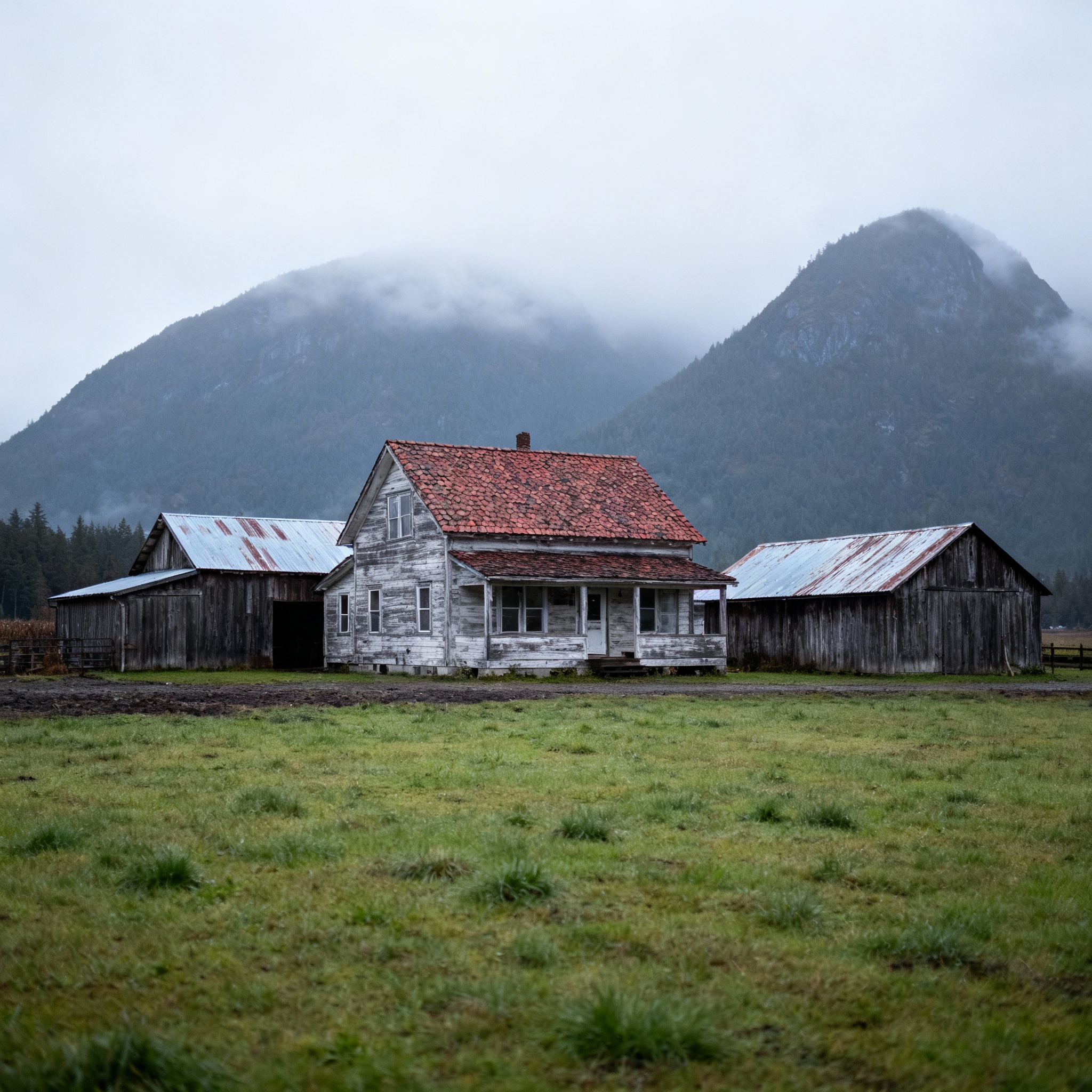
Known as the “Provence of Canada,” the Cowichan Valley offers some of Vancouver Island’s most desirable acreages for sale in Cowichan Valley. With fertile soil, scenic mountain views, and a thriving agricultural community, this region attracts hobby farmers, equestrian enthusiasts, and families seeking rural lifestyles. From Duncan to Lake Cowichan, buyers find diverse properties ranging from small hobby farms to expansive estates. This guide covers everything you need to know about searching, evaluating, and purchasing acreage in this sought-after region.
Key Takeaways
-
Acreages for sale in Cowichan Valley range from 2 to 100+ acres with diverse agricultural potential.
-
The region features excellent soil quality, mild climate, and strong community support.
-
Zoning, ALR status, and infrastructure significantly impact property value and usability.
-
Financing requires higher down payments and detailed documentation.
-
Working with local experts ensures access to the best properties and smooth transactions.
Overview
The Cowichan Valley combines natural beauty with agricultural productivity, making it a top choice for rural property buyers. This article explores property types, regional characteristics, zoning considerations, and financing strategies specific to acreages for sale in Cowichan Valley. An interactive table compares key property categories to help streamline your search. For comprehensive farm-buying guidance, visit the Complete Guide to Farms for Sale on Vancouver Island.
| Property Type | Typical Size | Price Range | Best For | Key Features |
|---|---|---|---|---|
| Hobby Farm | 2–10 acres | $700,000–$1.2M | Small livestock, gardens | Home, barn, pasture |
| Equestrian Estate | 10–30 acres | $1.5M–$3M | Horse boarding, riding | Stables, arena, trails |
| Vineyard/Orchard | 10–50 acres | $1.5M–$4M | Wine, fruit production | Planted vines, irrigation |
| Large Acreage | 50–100+ acres | $2M–$8M | Cattle, mixed farming | Pasture, forest, water |
Why Choose Cowichan Valley?
Agricultural Heritage
The Cowichan Valley has deep agricultural roots, with multi-generation farms and a strong local food movement. Farmers’ markets, farm-to-table restaurants, and cooperatives create a vibrant support network.
Climate and Soil Quality
The Valley’s Mediterranean-like climate—warm, dry summers and mild winters—supports diverse crops. Rich alluvial soils favor vineyards, orchards, vegetables, and pasture. Soil tests consistently reveal excellent fertility and drainage.
Community and Lifestyle
Cowichan residents value sustainability, community engagement, and rural living. Local organizations like the Cowichan Agricultural Society and Island Farm Fresh provide resources, networking, and advocacy.
Accessibility
Located just 45 minutes north of Victoria and 90 minutes south of Nanaimo, the Cowichan Valley balances rural tranquility with urban access. Highway 1 provides easy commuting for those maintaining city employment.
Property Types and Characteristics
Hobby Farms
Hobby farms (2–10 acres) dominate listings in areas like Duncan, Cobble Hill, and Shawnigan Lake. These properties suit families wanting gardens, chickens, or small livestock while maintaining off-farm income.
Equestrian Properties
The Valley’s equestrian community supports horse boarding, training, and competition facilities. Properties with stables, arenas, and riding trails command premium prices.
Vineyards and Orchards
Cowichan’s wine region rivals Okanagan for quality. Established vineyards with tasting rooms, irrigation, and planted vines offer turnkey operations. Apple, pear, and berry orchards also thrive.
Large Acreages
Properties exceeding 50 acres attract ranchers, commercial farmers, and conservation buyers. These estates often include forests, streams, and multiple building sites.
Zoning and ALR Considerations
Agricultural Land Reserve (ALR)
Most acreages for sale in Cowichan Valley fall within the ALR, protecting farmland from subdivision and non-agricultural development. ALR properties qualify for farm tax status but require Agricultural Land Commission approval for non-farm uses. Review ALR regulations carefully.
Municipal Zoning
The Cowichan Valley Regional District administers zoning bylaws. Common classifications include:
-
Agricultural (A): Full farming permitted, minimal restrictions.
-
Rural Residential (RR): Allows residential use with hobby farming.
-
Forest (F): Emphasizes timber management with limited agriculture.
Verify permitted uses, setbacks, and building restrictions before purchasing.
Building Permits and Setbacks
Construction requires permits for homes, barns, and outbuildings. Setbacks from property lines, watercourses, and neighboring structures must comply with district bylaws.
Infrastructure Essentials
Water Sources
Wells are standard for rural properties. Request well logs, yield tests, and recent water quality results. Properties with creek access or licensed water rights offer irrigation advantages.
Septic Systems
Septic systems must meet Island Health standards. Obtain inspection reports and verify permits. Budget for pump-outs every 3–5 years and potential upgrades.
Access Roads
Year-round access is critical. Many properties use private gravel roads requiring maintenance agreements. Inspect road conditions during wet seasons to assess drainage and stability.
Power and Utilities
BC Hydro serves most areas, but remote properties may need line extensions. Verify electrical capacity for farm operations. Internet availability varies—check provider coverage maps.
Market Trends and Pricing
Current Market Conditions
Demand for acreages for sale in Cowichan Valley has increased due to remote work flexibility and urban migration. Inventory remains limited, driving competitive pricing.
Price Factors
Key pricing determinants include:
-
Acreage size and usability
-
Soil quality and water availability
-
Proximity to services and highways
-
Existing infrastructure and buildings
-
ALR status and zoning flexibility
Investment Potential
Cowichan acreages appreciate steadily due to limited supply and growing agricultural demand. Properties with income-generating potential—vineyards, agritourism, farm stands—offer strong returns.
Financing Your Acreage
Down Payment Requirements
Rural mortgages typically require 25–35% down. Serviced properties with homes and infrastructure qualify more easily than raw land.
Farm Credit Canada
Farm Credit Canada offers tailored agricultural financing, considering business plans and production potential. FCC’s local expertise benefits Cowichan buyers.
Pre-Approval Process
Obtain pre-approval before house hunting. Lenders assess income, credit, and property type. Provide detailed farm business plans for agricultural loans.
Working With Local Experts
Navigating acreages for sale in Cowichan Valley requires local knowledge and market expertise. Andrew Hrushowy at 755 Humboldt St, Victoria, BC V8W 1B1 or (250) 383-1500 specializes in Cowichan rural properties. His connections and experience ensure buyers find the right acreage and negotiate confidently. For broader farm-buying insights, explore the Complete Guide to Farms for Sale on Vancouver Island.
FAQs
Q: What is the average price for acreages for sale in Cowichan Valley?
A: Prices range from $700,000 for small hobby farms to $8M+ for large estates, depending on size, location, and infrastructure.
Q: Are most Cowichan acreages in the ALR?
A: Yes, many properties fall within the ALR, offering farm tax benefits but limiting subdivision and non-farm development.
Q: How much down payment do I need for rural acreage?
A: Lenders typically require 25–35% down for rural properties, with higher amounts for raw land.
Q: Can I build a second home on my acreage?
A: Additional dwellings require zoning approval and may be permitted for farm workers or family members under specific conditions.
Q: What infrastructure should I inspect before buying?
A: Verify well yield and quality, septic system condition, road access, and electrical service capacity.
Q: Are there financing programs for first-time farm buyers?
A: Yes, Farm Credit Canada and provincial programs support new farmers with flexible terms and grants.
Q: How do I verify zoning and permitted uses?
A: Request zoning certificates from the Cowichan Valley Regional District and review online zoning maps.
Q: What crops grow best in Cowichan Valley?
A: Grapes, berries, vegetables, and tree fruits thrive due to the region’s favorable climate and soil.
Conclusion
Acreages for sale in Cowichan Valley offer unmatched agricultural potential, natural beauty, and community support. With proper planning, financing, and local expertise, buyers can secure properties that fulfill lifestyle and farming goals. Whether seeking a small hobby farm or a large estate, the Cowichan Valley delivers exceptional opportunities for rural living.